
Unbiased headlines. Facts, not spin.
Unbiased Headlines is an independently owned news organization. We bring you the facts, not opinions, written fresh from 110+ named sources. Sources linked so you can verify it yourself.
 defense
Major Story (8/10)
defense
Major Story (8/10)
CENTCOM Says Blockade Has Kept $25 Billion in Iranian Oil Off the Market and Helped Freeze $350 Million in Crypto
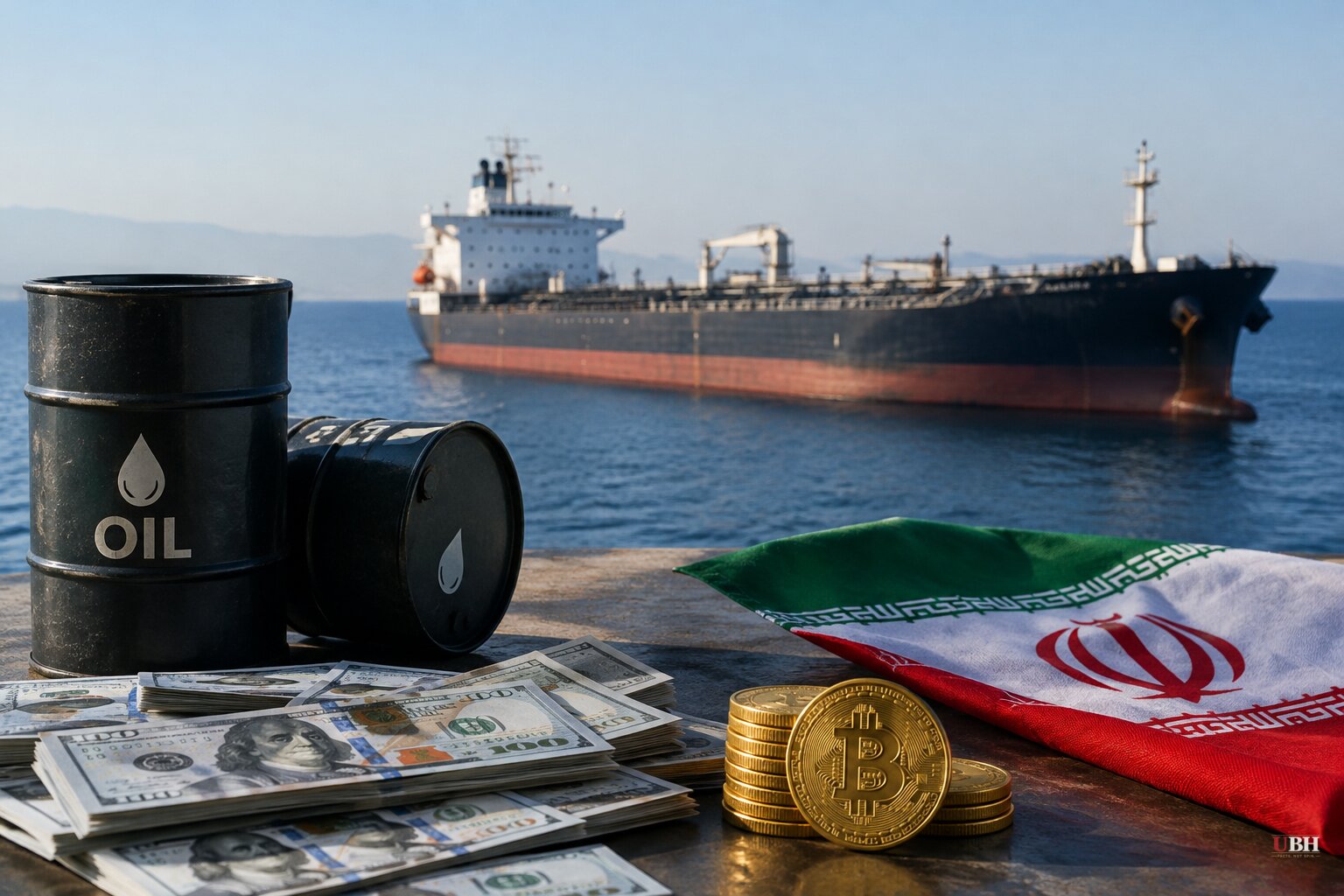
Adm. Brad Cooper, commander of U.S. Central Command, laid out a financial case Friday, Oct. 16, for the blockade of Iran. In a video statement, he said U.S. operations have kept at least $25 billion worth of Iranian crude from reaching buyers and helped freeze nearly $350 million in cryptocurrency that Tehran was using to buy weapons and rebuild destroyed facilities.
These are CENTCOM's own figures. No independent tally has been released.
Salaries unpaid, Cooper says
Cooper said Iran's government is "withholding salaries, pensions and benefits to workers in industries such as oil and energy, manufacturing, construction, security and the IRGC itself."
He also cited reports that Iran-aligned militias across the region are withholding pay from their own fighters so the money can be diverted to the Revolutionary Guards. He called the IRGC increasingly desperate. The militia claim is a report Cooper relayed, not something he said CENTCOM has confirmed.
The blockade has left Iran with no maritime imports or exports other than humanitarian aid, according to CENTCOM's account. More than 50,000 U.S. troops are deployed across the Middle East. Since the 38-day military phase, called Operation Epic Fury, ended, they have been clearing Iranian mines and escorting commercial ships.
Who controls Hormuz
Cooper said the Strait of Hormuz is "under the full supervision and control of American forces and regional partners, not Tehran." He said more than 400 merchant vessels passed through in the past week and that U.S. forces have helped move more than 1.3 billion barrels of oil through the strait since the war began.
Iran had effectively closed the corridor after the U.S. and Israel attacked it on Feb. 28, which pushed global oil prices up. Cooper said more than 20 civilian mariners have been killed in Iranian attacks on commercial shipping since February.
The attacks have not stopped. Reporting from Riyadh-based House of Saud counts at least three tankers hit between Oct. 11 and Oct. 12, bringing the October total to 15 vessels targeted in 12 days. That count has not been independently confirmed. The IRGC Navy said it struck a vessel that had disabled its navigation systems and tried an unauthorized route. It said another ship hit a mine on a route Iran had declared hazardous. Brent crude stood near $106.65 a barrel on Monday, according to Bloomberg.
Tehran's response
Iran rejects the premise that Washington runs the waterway. Mohsen Rezaei, secretary of the Supreme National Security Council, accused Cooper on Monday of coordinating an oil-smuggling network, claiming he directs small boats that transfer crude to larger tankers with UAE military help. "You are smuggling, but the strait is under Iran's control, and we manage it," Rezaei said, according to Al Jazeera. No U.S. or UAE response to that accusation has been reported.
Deputy Foreign Minister Saeed Khatibzadeh went further in an interview with Al Mayadeen on Friday. He said the United States and Israel violated the Islamabad memorandum of understanding through attacks on Lebanon and Iran, and that Lebanon must be included in any deal to end the war. "What the United States failed to achieve in the war against Iran, it has neither achieved nor will achieve at the negotiating table," he said.
Foreign Ministry spokesman Esmail Baghaei separately denied Saudi accusations that Tehran encouraged Yemen's Houthis to attack the kingdom. He said the group makes its own military decisions. Fox News reports that Houthi attacks in October have killed 19 people in Saudi Arabia, including 17 at King Khalid Airport in Riyadh. Saudi Arabia has not yet answered Iran's offer to mediate over Yemen.
A stalemate with no exit
The military balance is lopsided, but it has not produced a surrender. Ron Ben-Yishai, writing in Israel's Ynet, describes a deadlock: U.S. and Israeli aircraft operate almost freely over Iran, yet Trump's negotiators cannot secure even his minimum demands, that Iran stop developing nuclear weapons and respect freedom of navigation through Hormuz and Bab el-Mandeb.
Ben-Yishai attributes the impasse partly to Mojtaba Khamenei, who he says remains in control despite serious injuries and keeps a hard line. He adds that Israel's military is urging Prime Minister Benjamin Netanyahu to wait before another air campaign. That is his analysis, drawing on people he says are familiar with Iranian developments.
The European Union weighed in Friday after a two-day Brussels summit. Its leaders condemned Iran's attacks on neighbors, its threats to shipping and its repression at home. They repeated that Tehran must never acquire nuclear weapons.
Strike options and the calendar
Reports Thursday, citing multiple U.S. officials, said the Department of War is developing new strike plans that could include the GBU-43/B Massive Ordnance Air Blast bomb, known as the MOAB, against underground nuclear sites and energy infrastructure. The officials reportedly said such strikes could come before or after the Nov. 3 midterm elections.
Trump addressed it Thursday on Newsmax. "The mother of all bombs is not nuclear," he said. "I wouldn't use nuclear. We don't have to."
It is unclear whether the economic squeeze Cooper described, which has not yet moved Tehran at the table, can change Iran's position before the White House decides on another round of strikes. Eighteen days remain until the midterms.
Sources used for this briefing
7 links from 7 independent newsrooms (syndicated copies of the same report count once)
These are the sources it draws on, linked so you can verify.


