
Unbiased headlines. Facts, not spin.
Unbiased Headlines is an independently owned news organization. We bring you the facts, not opinions, written fresh from 110+ named sources. Sources linked so you can verify it yourself.
 defense
Major Story (7/10)
defense
Major Story (7/10)
Trump Says Israel Has Been 'Very Helpful' to Saudi Arabia Against Houthis, Calls Saudi Normalization Possible 'Maybe More Than Ever'
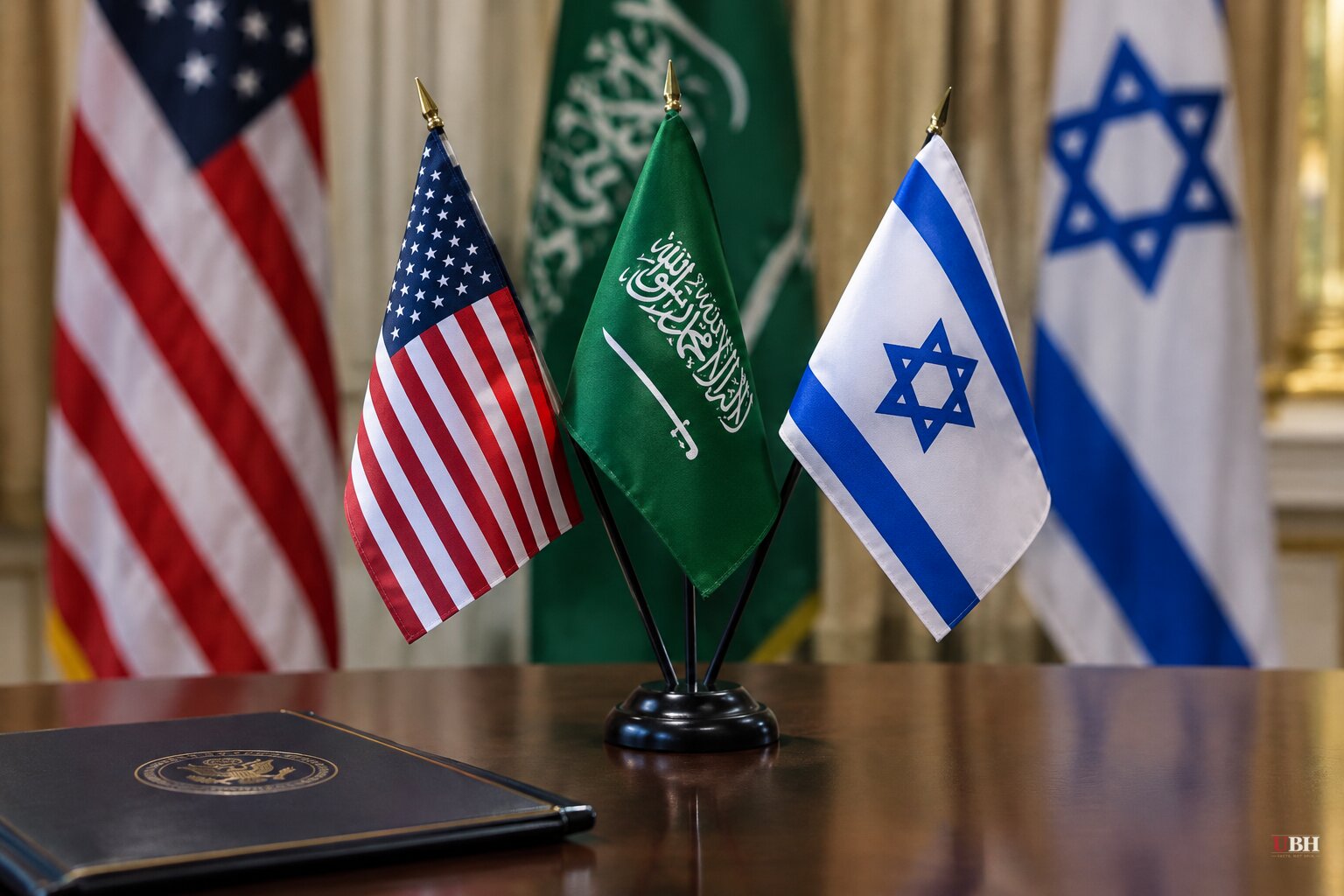
Since the Houthi barrages on Saudi Arabia began shutting down flights and hitting energy sites, the question of who is helping Riyadh defend itself has become a diplomatic one. On Friday, Oct. 16, President Donald Trump answered it in public, at least in part.
Asked by reporters at the White House, ahead of a rally in Georgia, whether Saudi Arabia should accept Israel's help against the Iran-backed Houthis, Trump said: "Yeah, I do. I think they will. Israel has been very helpful to Saudi Arabia."
He did not say what that help consists of.
Abraham Accords "maybe more than ever"
A reporter then asked whether Saudi entry into the Abraham Accords was back on the table. "Yeah, I think so. Maybe more than ever," Trump said. "The Abraham Accords is one of our great achievements... But Saudi Arabia is very happy to have Israel's support and our support."
That is Trump's characterization of Riyadh's position. Saudi Arabia has no diplomatic relations with Israel.
Trump has tied the two issues together before. In July, Washington and Riyadh announced a civilian nuclear cooperation deal known as a 123 Agreement. Two days after it was signed, Trump said Saudi Arabia would have to join the Abraham Accords to proceed with it. "It's time now that they do it," he said then.
The attacks driving the conversation
The Houthi offensive has been deadly, and the casualty counts differ by source. Saudi-led coalition officials said Thursday that repeated strikes on Riyadh's King Khalid International Airport this month had killed 17 people and wounded 333. The Jerusalem Post reported that an attack on the airport killed 17 and injured over 300, and that a separate Houthi strike on Saudi Arabia's presidential palace complex on Thursday killed five. Ynet reported that a missile strike on the airport last Saturday killed at least 12 people and wounded more than 300.
The attacks did not stop Friday. Coalition spokesman Maj. Gen. Turki al-Maliki reported the interception of a ballistic missile headed toward Yanbu, two cruise missiles over the Red Sea and three drones aimed at the kingdom.
The U.S. Embassy in Riyadh issued a security alert warning of possible attacks on Saudi airports and flight disruptions. U.S. government personnel now need special authorization to travel through the kingdom's airports.
Yemen's internationally recognized government also accused the Houthis on Friday of firing two missiles at Aden International Airport that landed near a Yemenia Airlines aircraft preparing for takeoff.
What Israel has actually done
Israel has not taken direct military action against the Houthis since the latest escalation began, according to ynet's reporting. Regional diplomatic sources told the outlet in September that Israel was believed to be supplying Saudi Arabia with intelligence through U.S. Central Command, including on threats near the Bab el-Mandeb Strait, without directly participating in combat.
Asked Tuesday in an Israeli media interview whether Saudi Arabia had sought Israel's help, Prime Minister Benjamin Netanyahu said: "There are barely any Middle Eastern states that aren't asking us for help."
Direct strikes remain a live question. Ynet reported this week that American officials explored with IDF Chief of Staff Lt. Gen. Eyal Zamir whether Israel could carry out strikes against the Houthis. According to that reporting, Zamir warned that Israeli involvement could trigger a wider confrontation, potentially involving Iran, and force Israel to postpone its Oct. 27 election. He raised the concerns in talks with CENTCOM commander Adm. Brad Cooper, who has also held talks with Crown Prince Mohammed bin Salman.
Riyadh's conditions and Tehran's denial
The Saudi position has not changed in the way Trump's optimism implies. Saudi Arabia has consistently said normalization requires a credible path to Palestinian statehood. Before the Hamas attack of Oct. 7, 2023, the two countries were considered close to a U.S.-brokered deal. Riyadh suspended the process afterward.
Ynet's sources say the crown prince distrusts Netanyahu and that progress toward normalization would be difficult while Netanyahu remains in office. Riyadh and other Arab governments are awaiting Israel's election, hoping for political change.
Iran, which the U.S. and Saudi Arabia describe as the Houthis' backer, rejects that label. Foreign Ministry spokesman Esmaeil Baghaei said Tehran "denies claims of involvement in the Yemeni operation" and that the Houthis "are acting in their own interests." He said Iran is ready to help end the conflict if the parties ask, and called for an end to what he described as an air and naval blockade of Yemen.
What comes next
Trump's remarks put Israeli help for Riyadh on the record, but the details are still unstated. The next marker is Israel's Oct. 27 election, which Zamir reportedly warned could be disrupted if Israel joins the fighting. The open question is whether Washington presses Israel toward direct strikes before then, or whether the cooperation stays in the intelligence channel.
Sources used for this briefing
7 links from 7 independent newsrooms (syndicated copies of the same report count once)
These are the sources it draws on, linked so you can verify.


