
Unbiased headlines. Facts, not spin.
Every story is an unbiased news briefing written from 110+ sources across the spectrum — sources linked so you can verify it yourself.
 economy
Notable (6/10)
July 28, 2026 at 02:13 AM
economy
Notable (6/10)
July 28, 2026 at 02:13 AM
Two-Thirds of Californians Now Oppose Newsom's 2035 Gas Car Ban, New Poll Finds
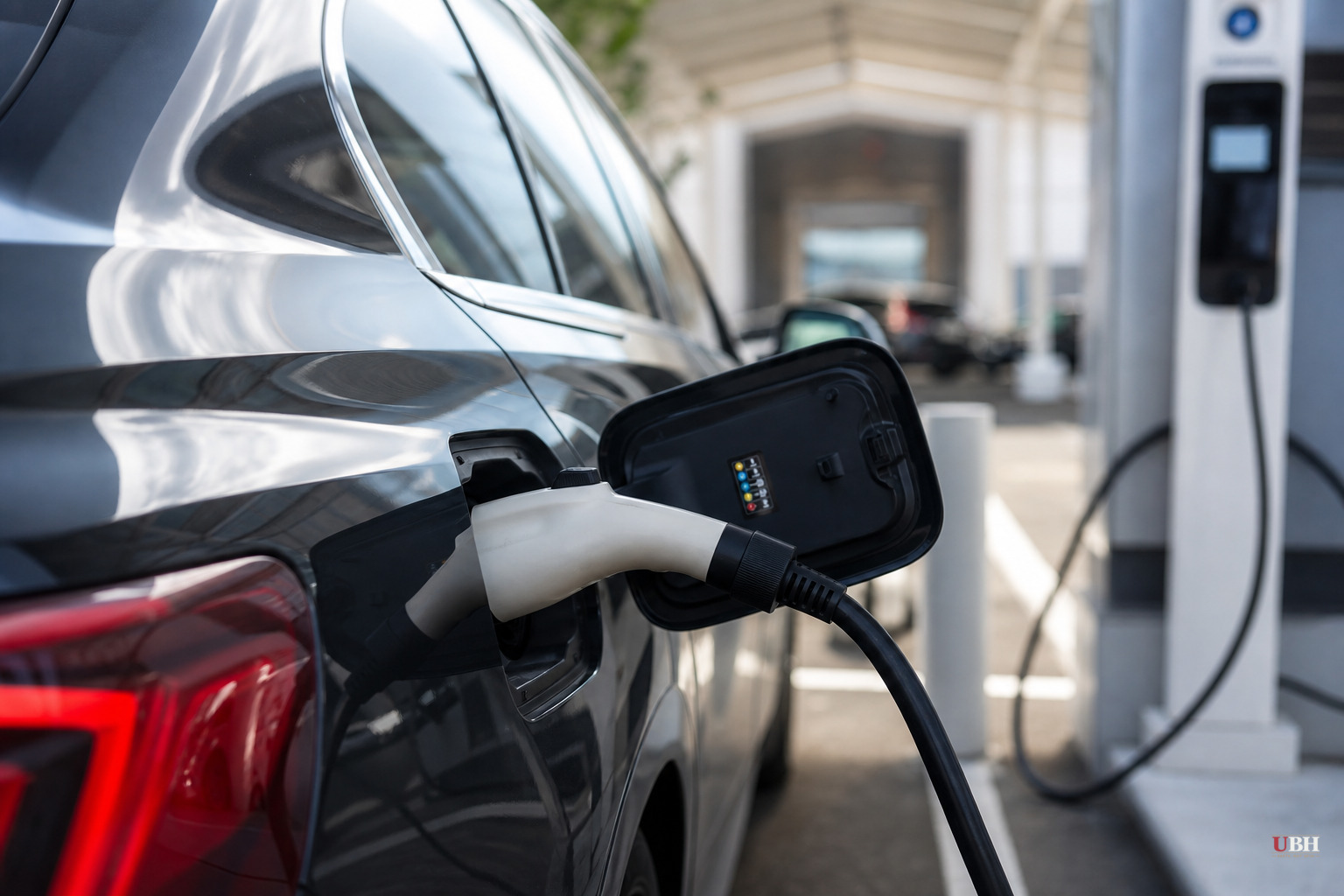
California's plan to ban the sale of new gas-powered cars by 2035 has lost the public it was supposed to serve.
A statewide survey released this month by the nonpartisan Public Policy Institute of California found 66% of Californians oppose Governor Gavin Newsom's executive order, according to the Los Angeles Times. That's a sharp reversal from 2021, when PPIC polling showed Californians evenly split, 49% to 49%.
Among likely voters specifically, opposition runs even higher: 65% against, just 34% in favor, the LA Times reported in a column by Sacramento-based reporter George Skelton. Nonvoters and infrequent voters oppose the mandate at even higher rates.
The Order Nobody Voted On
Newsom issued the ban by executive order in September 2020, during what the LA Times described as a literal apocalyptic backdrop: record wildfires, smoke-blotted skies, and a front-page Times headline reading "California's climate apocalypse." The order directed the California Air Resources Board, an unelected regulatory body, to build out the actual rules. CARB approved its zero-emission vehicle mandate in 2022.
No legislature vote. No ballot measure. One air board member called it "the most important thing" the board had done in three decades, according to reporting cited by the New York Post.
The PPIC numbers show opposition isn't confined to one party. Republicans oppose it at 91%, independents at 69%, according to the LA Times poll breakdown. Democrats are split down the middle, no longer a reliable base of support for the governor's signature climate policy.
Geographic and income patterns are just as telling. The Central Valley, which deals with some of the worst air pollution in the state, opposes the mandate at 74%. PPIC Polling Director Mark Baldassare's data shows the strongest opposition among people earning $40,000 to $100,000 a year and those over 55. The only region showing majority-ish support is Los Angeles, and even there it's 40% in favor against 59% opposed.
The Affordability Problem Is Real
Electric vehicles cost more upfront than comparable gas cars, charging isn't universally convenient on road trips, and electricity prices fluctuate by time of day. Baldassare, who says he owns and likes an EV, still acknowledges "electricity is not cheap."
The LA Times notes California now has more than 200,000 public and shared charging stations plus 800,000 home chargers, a substantial buildout. But residents surveyed by PPIC still aren't convinced that infrastructure can handle a full-scale mandatory switch by 2035, according to Skelton's reporting.
Newsom and the legislature have tried to soften the blow. Sacramento appropriated $135 million to subsidize EV purchases, per the LA Times: $3,500 rebates for first-time buyers on vehicles priced at $50,000 or under, and $1,750 for used EVs under $25,000. Automakers are supposed to cover half those incentive costs, though the LA Times column flags the obvious risk that manufacturers could just quietly build that cost back into sticker prices.
Even Newsom's Likely Successor Is Backing Away
Xavier Becerra, described by the LA Times as the state's anticipated next governor and a moderate Democrat, told Skelton directly that the 2035 target isn't happening. "We can't make it by '35," Becerra said. "But we can make it." He didn't offer a new date.
That's a notable break from the man he'd be replacing. Newsom, who leaves office at the end of his term, built this mandate as arguably the signature environmental achievement of his governorship, telling Californians in 2022 that it was "the action we must take if we're serious about leaving this planet better off for future generations."
The PPIC data suggests most Californians didn't buy that framing once the deadline moved from an abstraction to a real deadline attached to real car shopping. As Skelton put it, Californians "strongly favor fighting climate change, at least in concept, until it adversely affects them directly." The same poll found 62% still back California's separate mandate for 100% renewable electricity by 2045, but fewer than 4 in 10 said they'd actually pay extra for it.
The open question now is what CARB and the next governor do with a regulation that has lost majority support across party lines while the clock keeps running toward 2035. Becerra has signaled the deadline will move. Whether the underlying mandate survives in any form, or whether the state reworks it entirely, is now a live question heading into the transition of power in Sacramento.
Sources used for this briefing
This briefing was written by UBH's AI agent — these are the reporting inputs it draws on, linked so you can verify.


