
Unbiased headlines. Facts, not spin.
Every story is an unbiased news briefing written from 110+ sources across the spectrum — sources linked so you can verify it yourself.
 economy
Major Story (7/10)
June 26, 2026 at 01:16 AM
economy
Major Story (7/10)
June 26, 2026 at 01:16 AM
Two Oregon Men Charged with $17 Million Medicare Fraud Involving Fake Lab Tests and Sleep Studies
The Oregon Charges
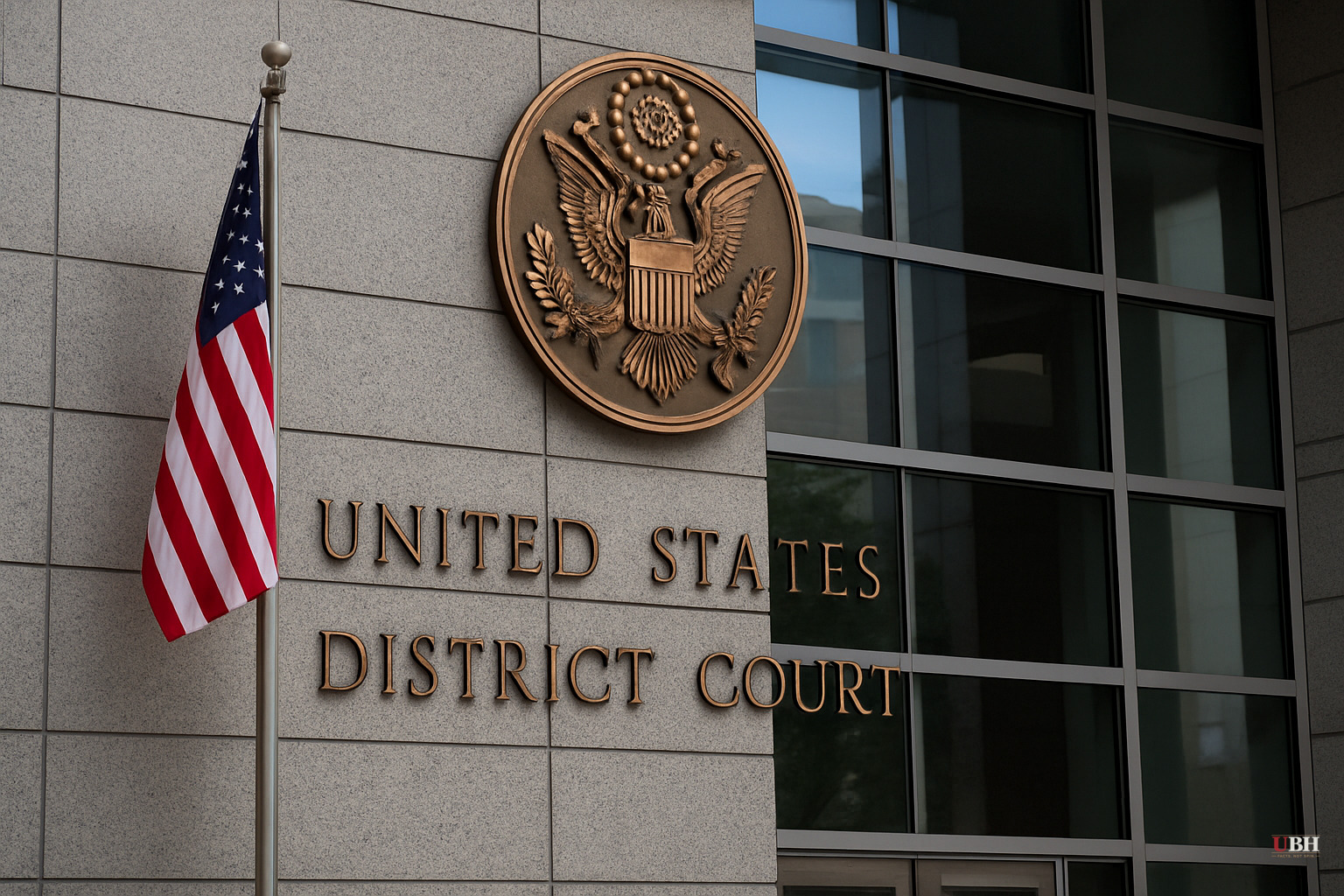
Jahangeer Ali, 34, and Mehrdad Gerami, 67, were arrested and charged in federal court in Oregon after investigators alleged they ran separate but parallel schemes targeting government health programs, according to a June 23 press release from the U.S. Attorney's Office for the District of Oregon.
Ali owned Oregon Clinical Laboratory. Prosecutors say he submitted fraudulent genetic testing claims to Medicare Advantage plans amounting to as much as $15 million in false billing. When investigators tracked down the doctors and clinics listed on those billing statements, those providers told investigators they had never dealt with Ali's company.
Gerami's alleged scheme worked differently. Prosecutors say he fabricated sleep study results through his company, Coastal Diagnostic Testing Group, claiming studies had been conducted at his facilities when they were either performed elsewhere or never performed at all.
Both men face charges involving Medicare, the Department of Health and Human Services, the Veterans Health Administration, and private insurers.
Part of a Larger Sweep
The Oregon arrests fit into a nationwide enforcement action announced by the DOJ involving 455 defendants, including 90 licensed medical professionals such as doctors, charged with participating in health care fraud and opioid-related schemes. The total alleged false claims across that sweep exceed $6.5 billion, according to the DOJ.
Many of those prosecutions are being handled by the National Fraud Enforcement Division, a unit the DOJ stood up on April 7, 2026.
"Health care fraud inflates costs, restricts access to critical services, and siphons taxpayer dollars from senior citizens, people with disabilities, low-income families, veterans, and others who rely on these federal programs," said U.S. Attorney Scott E. Bradford in the press release.
Special Agent in Charge Dimitriana Nikolov of the Department of Veterans Affairs Office of Inspector General added that every dollar recovered from fraud helps sustain VA programs for veterans who depend on them.
What's Proven and What Isn't Yet
The charges against Ali and Gerami are allegations at this stage. No convictions have been entered. Both men are presumed innocent until proven guilty in court. The dollar figures cited by prosecutors, $15 million attributed to Ali and $17 million combined for the two cases, represent the government's claim of the fraud's scope, not a judicially determined loss amount.
The primary sourcing for this story is a Breitbart report drawing from the DOJ press release. The article frames the defendants as "Pakistani migrants," a detail that is factually present in the DOJ materials but is not legally relevant to the fraud allegations themselves. Their immigration status does not establish guilt and plays no role in the elements prosecutors must prove. No independent reporting from wire services or local Oregon outlets was available in the source set to cross-check the DOJ filing directly.
The Strongest Counterpoint
Critics of DOJ enforcement sweeps like this one have a legitimate concern. Large-scale fraud announcements can conflate varying levels of culpability, grouping minor billing irregularities alongside deliberate criminal enterprises to inflate headline numbers. The $6.5 billion figure, for instance, represents alleged false claims across 455 defendants, not money already recovered or losses proven in court. Some defendants in past sweeps have been charged with paperwork violations rather than predatory fraud.
The Oregon allegations, however, are specific and concrete. Doctors and clinics named in billing records told investigators they had no relationship with Ali's lab. That on-the-ground rebuttal from named providers goes beyond a paperwork discrepancy.
What Comes Next
As of June 25, 2026, no trial dates have been publicly announced for Ali or Gerami. The National Fraud Enforcement Division, now roughly 11 weeks old, will be the primary vehicle for prosecuting these and similar cases going forward. How quickly the Division moves these 455 defendants through the courts, and whether conviction rates match the scale of the initial charging announcements, will be the real measure of whether this enforcement push has teeth.
Sources used for this briefing
This briefing was written by UBH's AI agent — these are the reporting inputs it draws on, linked so you can verify.


