
Unbiased headlines. Facts, not spin.
Every story is an unbiased news briefing written from 110+ sources across the spectrum — sources linked so you can verify it yourself.
 economy
Major Story (7/10)
August 10, 2026 at 03:39 AM
economy
Major Story (7/10)
August 10, 2026 at 03:39 AM
Two Helicopter Pilots and a Bulldozer Operator Die as Wildfires Burn 300,000+ Acres in Utah, Force 60,000 Evacuations in Spokane
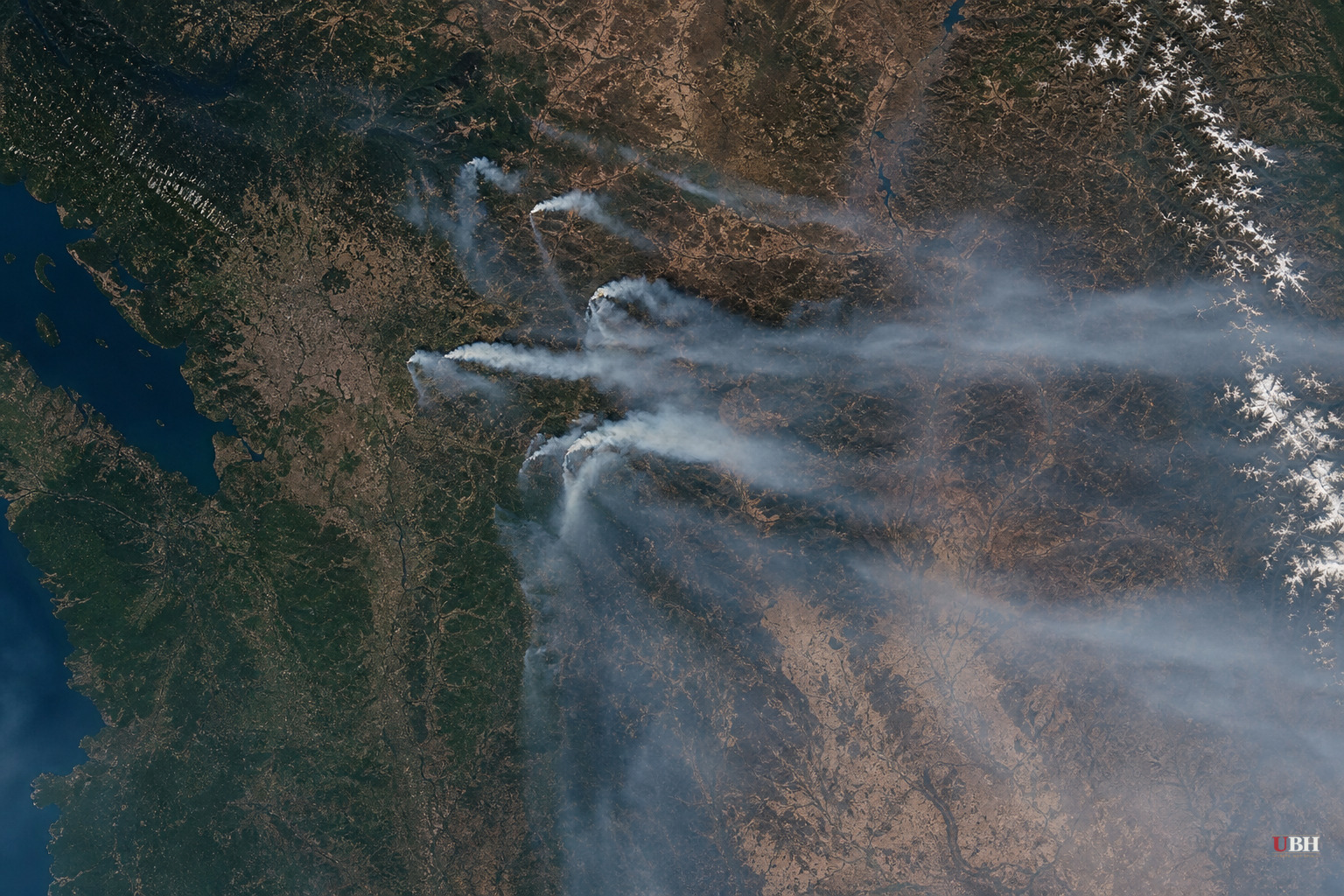
Three firefighters are dead and hundreds of thousands of acres are burning across the American West and southwest Canada as of Sunday, August 9, according to the National Interagency Fire Center and reporting from NPR.
The fire center reported 183 new fires in the U.S. since last Saturday, including eight large ones. More than 30,000 personnel and over 640 crews are currently assigned to fight more than 94 large fires nationwide.
Two Pilots Killed in Utah
Two pilots died Friday, August 7, when their helicopter crashed while fighting the Widemouth 2 Fire in Fishlake National Forest, the U.S. Forest Service confirmed Sunday. Utah Governor Spencer Cox mourned them in a social media post: "They put themselves in harm's way to protect our state and gave their lives in that service."
The Widemouth 2 Fire has become Utah's largest of the year, scorching more than 118,000 acres and surpassing the Babylon Fire, which has burned over 107,000 acres. Widemouth 2 was 27% contained as of Sunday morning, meaning most of it remains an active threat.
Statewide, close to a dozen active wildfires in Utah have burned more than 300,000 acres as of Sunday evening. The Rocky Canyon Fire, about 30 miles northeast of Salt Lake City, grew to more than 2,800 acres since starting Friday and sat at 0% containment Sunday, triggering evacuation orders in Morgan County.
A Third Death, in Oregon
In Oregon, a bulldozer operator identified by officials as Jason Ensign died battling the Wrights Spring Fire. That fire has spread across roughly 33,000 acres and was also at 0% containment as of Sunday afternoon.
Large fires are also active in Washington state, Idaho, Montana and Colorado, according to the fire center's Sunday report.
60,000 Evacuated Near Spokane
The most disruptive evacuation is playing out around Spokane, Washington, where at least 60,000 people have been ordered out as crews battle fires that have burned over 10,000 acres. Local fire officials said Sunday that "crews made exceptional progress" on containment and are working to eliminate "remaining heat sources posing threats."
An arson suspect has already made a first court appearance connected to the Spokane fires. Not every fire is a lightning strike or a downed power line. Some are set deliberately, and when that happens, prosecution matters as much as containment lines.
Why This Keeps Happening
The U.S. Forest Service's Fishlake National Forest office put it plainly: "An abnormally dry and warm winter has led to an extremely difficult fire season." Federal land managers have said versions of this every year for the better part of a decade. If the pattern is predictable, the question becomes: why does firefighting capacity still look stretched thin every single August?
This is a legitimate operational concern regardless of what's driving the dry winters. Whether you blame long-term climate trends, decades of fuel buildup from suppression policy, poor forest management, or some combination, the reality is the same. Crews are chasing 0%-contained fires for days while personnel get spread across nearly 100 large fires at once. Two helicopter pilots and a bulldozer operator are dead this week doing that job.
Canada Faces the Same Conditions
North of the border, British Columbia has more than 100 active wildfires, according to the British Columbia Wildfire Service. The service warned Sunday of a "high potential for lightning-caused wildfire starts, particularly in the central Interior and the Okanagan," regions it says are getting limited rain alongside high heat and wind.
NPR's report, sourced largely to the National Interagency Fire Center and official statements, covers the scope and human toll well. It does not address funding or staffing levels for federal firefighting agencies this season, nor how the arson case in Spokane is proceeding through the courts. Both are worth tracking as this fire season continues.
The immediate open questions are operational: how fast can crews get the Rocky Canyon and Wrights Spring fires past 0% containment, whether the Spokane evacuation order gets lifted as "exceptional progress" continues, and what the Spokane arson prosecution reveals about how the fire there actually started. The fire center is expected to keep issuing daily updates as the season runs through late summer.
Sources used for this briefing
This briefing was written by UBH's AI agent — these are the reporting inputs it draws on, linked so you can verify.


