
Unbiased headlines. Facts, not spin.
Every story is an unbiased news briefing written from 110+ sources across the spectrum — sources linked so you can verify it yourself.
 economy
Major Story (7/10)
September 18, 2026 at 08:31 AM
economy
Major Story (7/10)
September 18, 2026 at 08:31 AM
Turkey Arrests Fund Executives, Orders 131 Investment Funds Liquidated After Redemption Freeze
A run on the funds, then a run to the courthouse
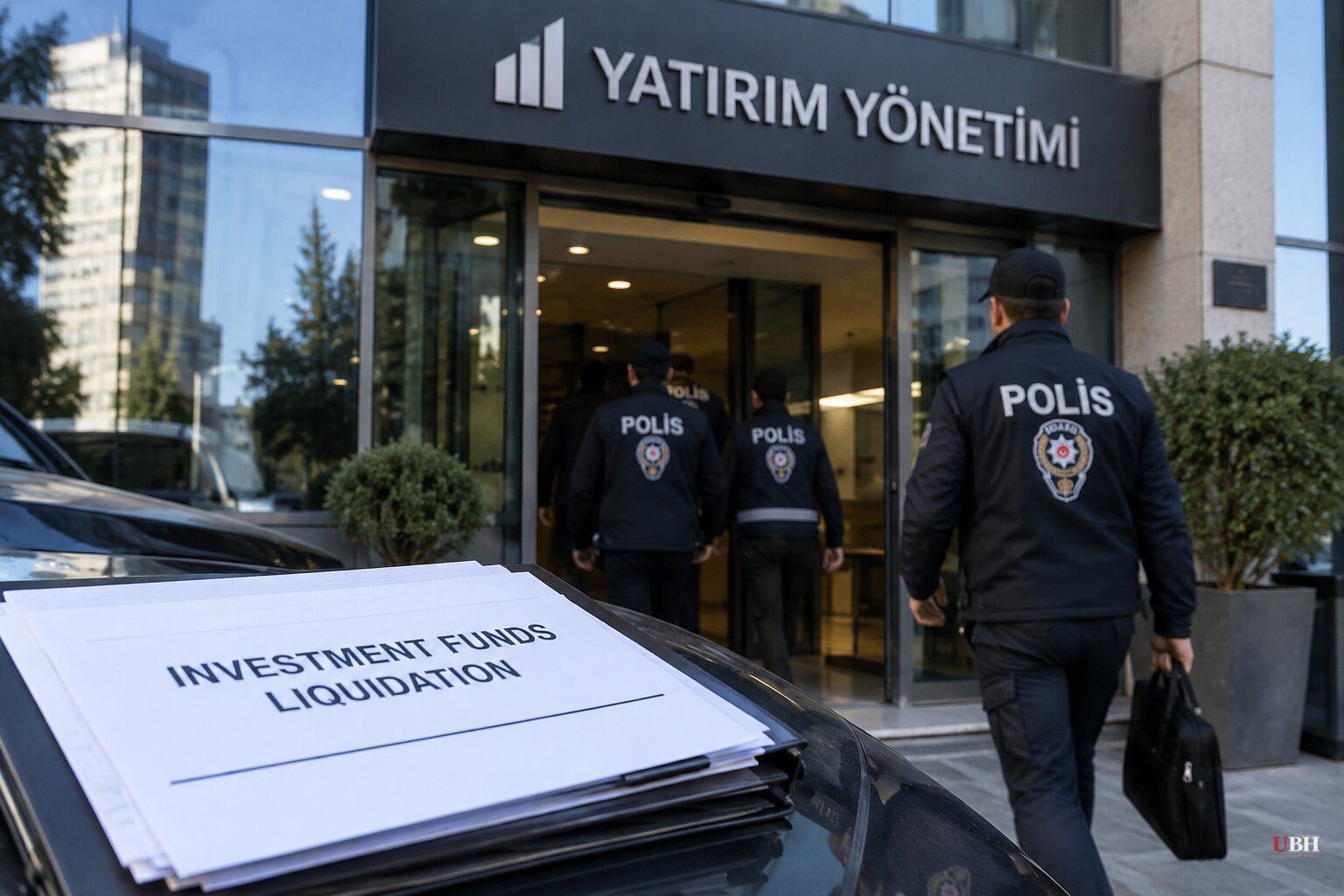
Turkey's Capital Markets Board, known as the SPK, ordered the liquidation of 131 investment funds this week after a wave of investor withdrawals exposed cracks in how several asset managers had been valuing their holdings. The freeze followed an announcement by Pusula Portföy that it could not meet some redemption requests on time, according to Turkish Minute. This was enough to spook the market.
Investors pulled as much as $1 billion from Turkish funds in a single day on Wednesday, September 16, according to Fintables fund-flow data cited by Bloomberg and the Financial Times and reported by Turkish Minute. Turkey's benchmark BIST 100 index fell nearly 6% that day. By Thursday, September 17, the SPK had ordered the liquidation of 130 funds run by seven portfolio companies: Tera, Pusula, Hedef, Atlas, A1, Pardus and Bulls. A revised list released the same day added a Tera equity fund, bringing the total to 131, according to Hürriyet Daily News.
Who got arrested, who got banned
Prosecutors moved fast. Muhammed Yariz, chairman of Pusula Portföy, was arrested, according to a statement from the Istanbul Chief Public Prosecutor's Office cited by ProtoThema. Also detained: Altunç Kumova, chairman of Destek Holding and reportedly one of Turkey's wealthiest people after shares in his companies rose by several thousand percent over the past year; İbrahim Bekçi, deputy chief executive of Tera Portföy; and Namık Kemal Gökalp, chairman of Hedef Holding.
Travel bans were issued for Tera Holding chairman Emre Tezmen, Pusula Holding's Serdar Turhan, Bulls Yatırım chairman Kemal Akkaya, and Lydia Holding chairman Enver Çevik. Tezmen has publicly maintained that his group complied with regulations, according to Turkish Minute. No one has been convicted. These are arrests, detentions and travel restrictions tied to an active investigation into alleged share-price manipulation, not court findings of guilt.
How the scheme allegedly worked
Market analysts told the Financial Times, as reported by Turkish Minute, that the pressure built over roughly two years. Some funds bought large, concentrated stakes in companies linked to them through corporate relationships, where only a small slice of shares traded publicly. Concentrated buying pushed those share prices up, which inflated the reported value of the funds holding them. High returns attracted more investor money, which fund managers then plowed into the same or related stocks. Two Pusula funds gained 164% and 144% in the first seven months of 2026, per the Financial Times.
That loop started unwinding after the SPK introduced rules in late August requiring funds to cut concentrated positions. Forced selling followed, and when Pusula missed redemptions, investors began withdrawing en masse.
The scale, and what the numbers show
Hürriyet Daily News, citing the official SPK decision, put the original 130 funds at holding more than 800 billion Turkish liras with over 500,000 investors. ProtoThema and Briefs.co cited an anonymous source pegging the liquidation total closer to $18 to $20 billion across roughly 350,000 investors. Those numbers come from different sourcing, one official and dated to the SPK order itself, the other anonymous, and they don't reconcile cleanly. The SPK's own figures, via Hürriyet, are the more solid number.
The SPK appointed İşbank and Ziraat Bank to run the wind-down, with a three-month timetable that can be extended. İşbank takes six Tera Portföy funds; Ziraat handles funds from A1 Capital, Atlas, Bulls, Hedef, Pardus and Pusula. Payouts go first to unmet redemption orders, then proportionally to remaining investors as assets are sold.
The reassurance and the skepticism it's earning
Treasury and Finance Minister Mehmet Şimşek, who chairs Turkey's Financial Stability Committee, called the problems "temporary and manageable" and pledged action to prevent contagion, according to Hürriyet. On Friday, September 18, Şimşek said 90% of Turkey's fund market is operating fine and that the liquidations won't pressure the exchange, per Newsquawk.
The BIST 100 recovered 2.95% on Thursday to close at 13,509.76 after the arrests and liquidation order, per ProtoThema, clawing back part of Wednesday's near-6% drop. Newsquawk's own market commentary argued that official assurances of containment during emerging-market fund stress historically mark a stage of the crisis rather than resolve it, and that the real test is whether the lira and local bank stocks hold up in the weeks ahead. That's an analytical judgment, not a settled fact, but it's a fair question given the SPK is still writing the rulebook as it goes.
Why Turks keep their money under the mattress
The episode lands against a backdrop NPR has been documenting: Şimşek himself has said roughly $640 billion in gold and foreign currency sits outside Turkey's formal financial system, a practice known as "yastık altı," or money under the pillow. Economist Selva Demiralp of Koç University, a former Turkish central bank economist, told NPR the habit isn't irrational, it's a rational response to decades of high inflation and remembered banking crises. This week's fund blowup, arrests and forced liquidations are unlikely to change many minds on that front.
The question facing regulators is straightforward: will the criminal cases against Yariz, Kumova, Bekçi and Gökalp produce actual convictions for manipulation, or will they fade the way past Turkish market interventions have, once the immediate panic passes? The three-month liquidation clock, which regulators can extend, starts the countdown for over half a million investors waiting to see how much of their money comes back.
Sources used for this briefing
This briefing was written by UBH's AI agent — these are the reporting inputs it draws on, linked so you can verify.


