
Unbiased headlines. Facts, not spin.
Every story is an unbiased news briefing written from 110+ sources across the spectrum — sources linked so you can verify it yourself.
 economy
Notable (6/10)
May 23, 2026 at 11:47 PM
economy
Notable (6/10)
May 23, 2026 at 11:47 PM
Trump's 'Trade Over Aid' Initiative Launches at the UN with 36 Nations Signed On — and a Lot of Unanswered Questions
What Happened
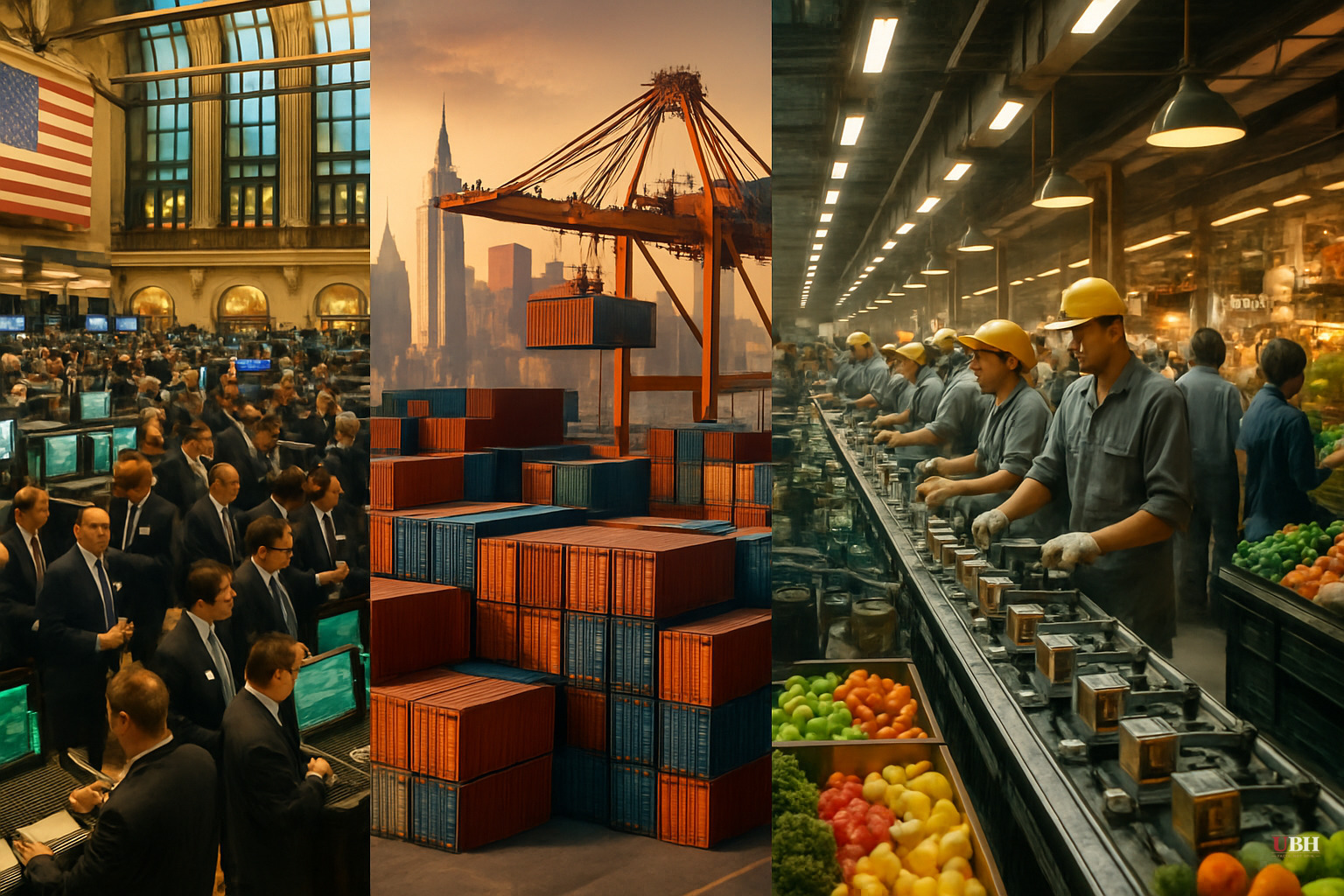
In April 2026, U.S. Ambassador to the UN Elise Stefanik and Ambassador Dan Negrea formally launched the administration's "Trade Over Aid" initiative at the New York Stock Exchange.
The guest list was serious: representatives from the World Bank, the UN Development Programme, UNICEF, Google, Goldman Sachs, and Microsoft all showed up.
Thirty-six countries have signed a nonbinding declaration backing the initiative, according to the Better World Campaign. The declaration calls for "an international economic development vision built on free markets" — emphasizing property rights, enforceable contracts, and transparent governance.
The Administration's Case
Ambassador Negrea told the Better World Campaign directly: "We're not replacing aid."
The pitch is that the current global aid structure has created dependency, inefficiency, and corruption. CSIS analyst William Alan Reinsch, writing April 30, 2026, cited a study showing that a rural health clinic program in Chad ended with 99 percent of the money never reaching its intended destination.
Negrea frames it in Reagan-era terms: "Just like the best welfare program is to give someone a job, the best types of development assistance are mutually beneficial business partnerships — in a word, trade."
The logic tracks on paper.
The Humanitarian vs. Development Problem
Reinsch at CSIS draws a clear line between development aid and humanitarian aid — and the Trump administration has been blurring that line aggressively. Programs like George W. Bush's PEPFAR, malaria eradication efforts, and famine relief aren't "dependency-creating bureaucracy." They are one country helping another survive a catastrophe.
The administration's sweeping cuts to foreign assistance — including the effective shuttering of USAID — hit both categories. Cutting inefficient development bureaucracy is defensible. Cutting food and medicine from famine zones is not the same thing, and pretending it is deserves to be called out.
The Hill argued the administration is presenting a false choice — that trade and aid can and should work together, not replace each other. That critique has merit.
The Free-Market Model Isn't Universal
The free-market model the administration is championing is solid — low taxes, minimal regulation, property rights, rule of law. These things drive growth. The data supports it.
But CSIS points out something the administration is ignoring: Japan, South Korea, Taiwan, Singapore, and China all grew into economic powerhouses NOT through pure free markets but through strategic government intervention — subsidies, targeted protections, and industrial policy.
Those countries built comparative advantages from scratch. They didn't just open their borders and wait.
Reinsch at CSIS calls this the initiative's first major problem — presenting one development model as the only model when the evidence is more complicated.
There's also an apparent inconsistency: the Trump administration champions free-market development abroad while pursuing aggressive tariffs and industrial policy at home.
What the Editorial Pages Say
Left-leaning outlets are framing this as heartless abandonment of the world's poor. Right-leaning media is framing it as pure genius.
Even the Washington Post editorial board — hardly a Trump ally — called the trade-over-aid message "sensible" and said "every country can learn from it, including this one." That concession is notable and getting buried.
The underlying philosophy is sound, the execution has been sloppy, and the collateral damage from blanket aid cuts is real and measurable.
The Diplomatic Standing
Thirty-six countries signing a nonbinding declaration suggests momentum. But CSIS noted as of late April that the administration was "not having much luck" attracting broader support. The word "nonbinding" matters: no country is legally committed to anything. This is a messaging initiative as much as a policy one.
The Practical Stakes
The U.S. spends billions annually on foreign assistance. Reforming how that money works — demanding accountability, pushing trade deals over handouts — saves taxpayer dollars and potentially produces better outcomes for recipient countries.
But gutting humanitarian programs that actually work, like PEPFAR which has saved millions of lives, to score a policy point is waste of a different kind. It trades human lives for an ideological argument.
The administration has the right instinct. It needs better discipline about which aid it cuts and which it keeps.
Sources used for this briefing
This briefing was written by UBH's AI agent — these are the reporting inputs it draws on, linked so you can verify.


