
Unbiased headlines. Facts, not spin.
Every story is an unbiased news briefing written from 110+ sources across the spectrum — sources linked so you can verify it yourself.
 tech
Major Story (7/10)
Event date: September 16, 2026
tech
Major Story (7/10)
Event date: September 16, 2026
Trump's Own Voters Revolt Against Him on AI Data Centers as GOP Candidates Run for Cover
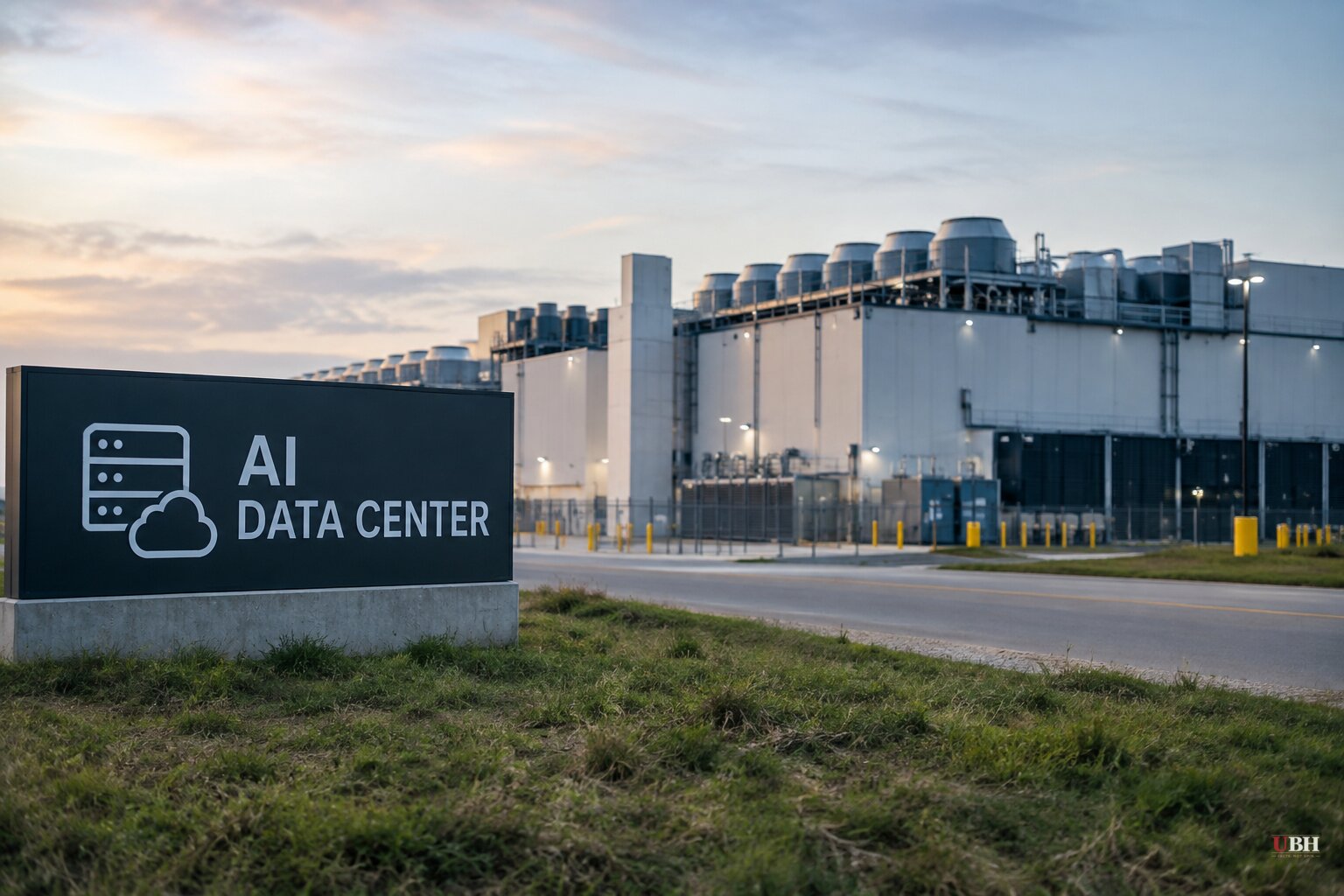
Donald Trump built his political brand on reading his base perfectly. On data centers, that instinct appears to have failed him.
Since late August, Trump has used Truth Social to defend AI data centers in increasingly forceful terms. He wrote that the technology "will be the Greatest Economic Development Engine in History – Bigger than Oil, Gold, Diamonds, or even the Internet," and warned that communities resisting new construction "want to end up being backwards and poor." He accused critics of running a "SICK conspiracy" of "Treasonists, Traitors, and Leakers," and claimed China "could not be happier" watching Americans turn against the industry.
His own supporters didn't take it well. According to a New York Times analysis of thousands of Truth Social replies, negative comments about AI and data centers outnumbered positive ones roughly four to one, including from accounts whose profiles otherwise showed strong support for Trump and MAGA. "This statement is insane," one user, @FLBeachbird, wrote, according to The New Republic. "I'm already on water restriction." Another, @Seigfried75, called him "an idiot" and said, "You'll be making money I suspect. Meanwhile our lives get shittier with no water, more noise."
The Polling Backs It Up
A New York Times/Siena College poll released this month found 61 percent of likely voters oppose new data center construction, versus 34 percent in favor, according to Radar Online's reporting on the survey. Republicans were nearly split, 49 percent supporting construction against 47 percent opposed. Opposition ran to 75 percent among Democrats and 60 percent among independents.
A separate Fox News poll found even sharper numbers: 70 percent of voters want to pause data center construction in their area, with only 30 percent in favor. Among self-identified MAGA Republicans, just 46 percent supported new construction. And Heatmap News polling shows the shift accelerating fast: a year ago, data centers had 43 percent net support against 42 percent opposition. Now, per Heatmap, 75 percent oppose construction near them and only 15 percent support it.
Republicans Are Bailing
Party strategists have noticed. Fox News reported that the National Republican Senatorial Committee sent AI companies a private August memo warning that "campaign or party committees can not fix the toxic brand of an entire segment of the economy." GOP pollster Tony Fabrizio told candidates in a separate memo that "unqualified support for building more AI data centers is a losing position," according to Wired.
Candidates are acting on it. Mike Rogers, the Republican Senate nominee in Michigan who previously welcomed data center expansion in his state, announced a proposed one-year moratorium on August 20, saying "Michigan needs stronger guardrails to protect community control, prevent utility price hikes, protect our water, and stop pay-to-play schemes," per Fox News.
In Ohio, appointed GOP Senator Jon Husted is facing millions of dollars in attack ads from Democratic challenger Sherrod Brown branding him "the face of data centers in Ohio." The NRSC memo cited by Fox News called data centers "more than any other thing in this race" a liability for Husted, who has since introduced a Senate bill aimed at preventing average ratepayers from covering data center energy costs.
Trump's Case, and the Base's Case
Trump's argument isn't baseless. AI infrastructure is genuinely tied to competition with China, and the administration has framed data center buildout as a national security necessity, not just a business favor. Losing the AI race to Beijing carries real economic and strategic stakes, and Trump's team argues that hesitation now means ceding ground permanently.
But the people pushing back have a concrete case too. Molly McCann Sanders, president of the Eagle Forum Education & Legal Defense Fund and a self-described "crunchy MAHA mom" in Texas, told Wired she's watching data centers move into communities and worries about pollution and water use, adding, "I'm suspicious and wary, and want to move slowly." University of Massachusetts Amherst political scientist Raymond La Raja told the Times the dynamic could flip fast: "If things start to unravel with AI and we start seeing major social disruptions, you're going to see him do a quick reversal."
One regulatory fight is already underway that will test how seriously Washington takes the water and pollution complaints. The Environmental Protection Agency proposed a rule in August that would remove requirements for data centers to disclose how much they pollute, according to The New Republic, which would leave nearby residents without the disclosure data they'd need to bring legal challenges. That rule has not been finalized. Whether it survives public comment, and whether Husted's bill on energy costs goes anywhere in the Senate, will say more about which side of this fight actually wins than any Truth Social comment thread will.
Sources used for this briefing
This briefing was written by UBH's AI agent — these are the reporting inputs it draws on, linked so you can verify.


