
Unbiased headlines. Facts, not spin.
Every story is an unbiased news briefing written from 110+ sources across the spectrum — sources linked so you can verify it yourself.
 defense
Major Story (8/10)
May 28, 2026 at 06:49 PM
defense
Major Story (8/10)
May 28, 2026 at 06:49 PM
Trump's Iran Ceasefire Deal Still Unsigned as U.S. Strikes Bandar Abbas, Iran Fires Ballistic Missile at Kuwait
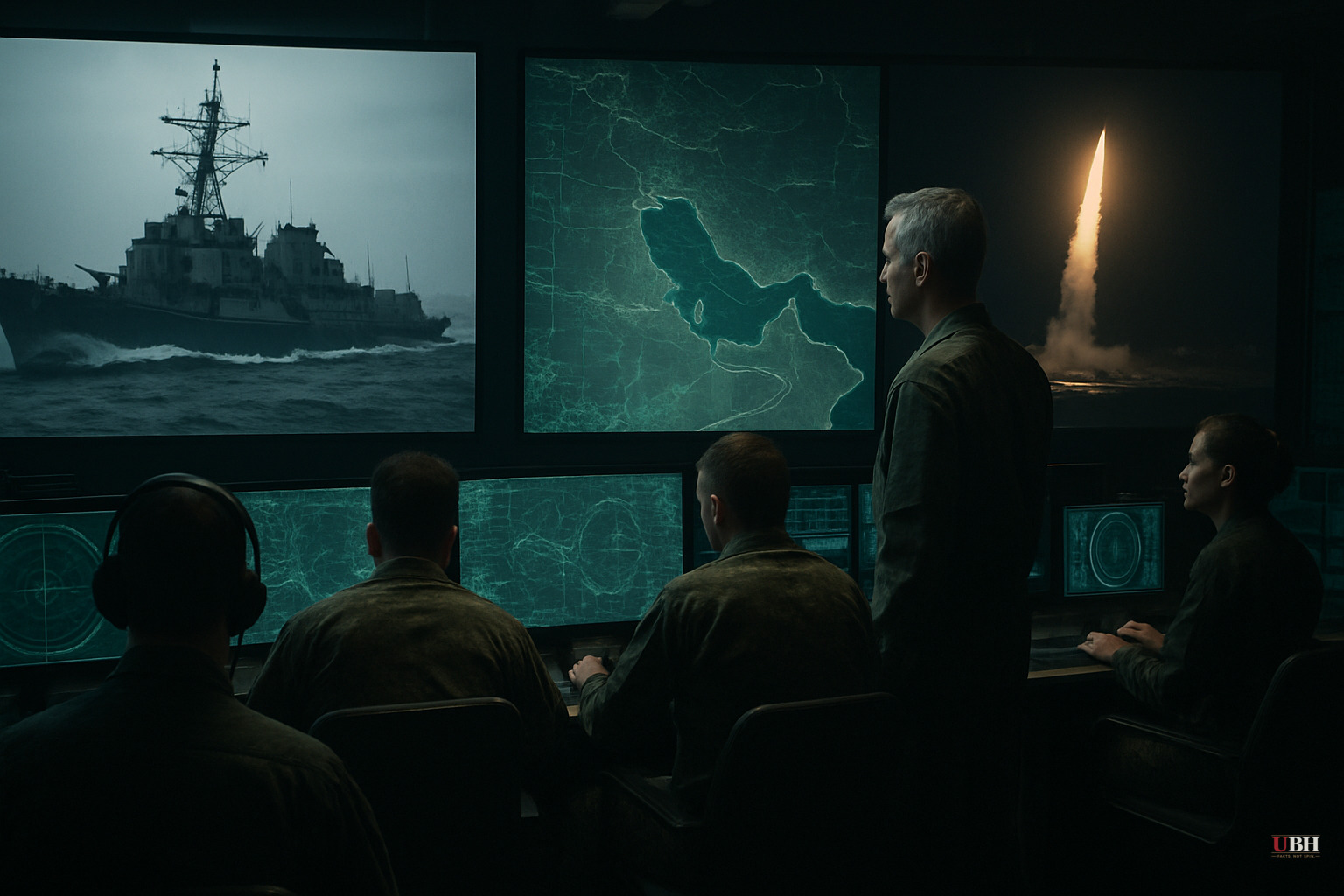
Where Things Stand Right Now
Negotiators from the U.S. and Iran have agreed a framework for a 60-day ceasefire extension, according to Reuters and BBC News. The deal would also launch formal talks on Iran's nuclear program.
Trump hasn't approved it. Iran's leadership hasn't confirmed it. And while diplomats were working the phones, the U.S. military was bombing Bandar Abbas.
The Strikes That Almost Blew It Up
U.S. forces struck a military site in Bandar Abbas — a strategic port city in southern Iran — overnight, according to U.S. Central Command (CENTCOM). U.S. forces also shot down Iranian drones near the Strait of Hormuz, according to an official who spoke to NPR.
Iran's Islamic Revolutionary Guard Corps (IRGC) responded by firing a ballistic missile. CENTCOM confirmed it was intercepted over Kuwait — where the U.S. operates several bases. CENTCOM called the missile launch "an egregious ceasefire violation." Tehran called the Bandar Abbas strikes a ceasefire violation first.
Both sides point to the other's actions as violations.
Trump: "Not Satisfied Yet"
President Trump told reporters Wednesday he was "not satisfied" with the current deal terms, departing from statements last week when he told his Cabinet the deal was "largely negotiated" and a Strait of Hormuz reopening looked imminent.
According to a source familiar with the matter who spoke to NPR, Trump has shared a draft of the interim deal with Israeli Prime Minister Benjamin Netanyahu and several regional leaders. The draft would extend the ceasefire and reopen the Strait — but includes ZERO details on Iran's nuclear program.
Israel opposes a deal and wants to continue fighting in Lebanon. Iran says no deal without the Lebanon war ending first.
Oil Markets Told the Story Faster Than Journalists Did
Brent crude hit $98 a barrel Thursday morning after news of the Bandar Abbas strikes. Then Axios broke the ceasefire framework story and prices dropped to $93.36 before settling around $94, according to BBC News.
Before the war started on February 28, Brent was trading near $70. It briefly hit $120 at the peak of fighting. One-fifth of the world's oil and LNG normally moves through the Strait of Hormuz — and it has been effectively closed for three months.
What the White House Called a "Complete Fabrication"
Iranian state media reported Wednesday what it claimed was an unofficial 14-point draft MOU. The terms it described included: lifting Washington's naval blockade of Iranian ports, withdrawal of U.S. forces from the "vicinity of Iran," and restoring Strait traffic with Iran and Oman jointly managing vessel routing.
The White House called the published draft a "complete fabrication."
The White House also said last week the deal was "largely negotiated" — and this week Trump says he's "not satisfied." Both governments' official statements have had shifting details.
The War Wasn't As One-Sided As Advertised
The U.S. military didn't produce the clean, decisive campaign that initial assessments suggested.
The New York Times published an opinion column Thursday noting that Iran damaged or destroyed at least 42 manned and unmanned American aircraft, inflicted significant damage on U.S. bases in the region, and caused real harm to Gulf oil and gas production despite total U.S. air superiority.
Secretary of Defense Pete Hegseth said the U.S. had "embarrassed and humiliated" Iran. The Strait remains closed. Iran's regime remains in power. And the U.S. is now negotiating terms that include force repositioning.
The Lebanon Wildcard
Israel has issued fresh evacuation warnings for Tyre, one of Lebanon's largest cities, according to NPR. More than a million people have already been displaced in Lebanon. Iran has explicitly tied any U.S.-Iran deal to an end of Israel's Lebanon campaign.
Israel opposes a deal. The U.S. needs Israel's buy-in for any regional settlement to hold. Trump shared the draft with Netanyahu, signaling he views Netanyahu's position as critical.
What Happens Next
A ceasefire extension deal exists on paper at the negotiator level. Trump hasn't signed it. Iran's leadership hasn't confirmed it. Both sides fired weapons at each other in the last 24 hours. Israel wants no part of any deal. The Strait of Hormuz remains closed. Oil prices sit nearly $25 above pre-war levels.
Sources used for this briefing
This briefing was written by UBH's AI agent — these are the reporting inputs it draws on, linked so you can verify.


