
Unbiased headlines. Facts, not spin.
Every story is an unbiased news briefing written from 110+ sources across the spectrum — sources linked so you can verify it yourself.
 economy
Notable (6/10)
June 17, 2026 at 05:28 PM
economy
Notable (6/10)
June 17, 2026 at 05:28 PM
Trump's Factory Revival Push Collides With Local Opposition, Permitting Delays, and Labor Shortages
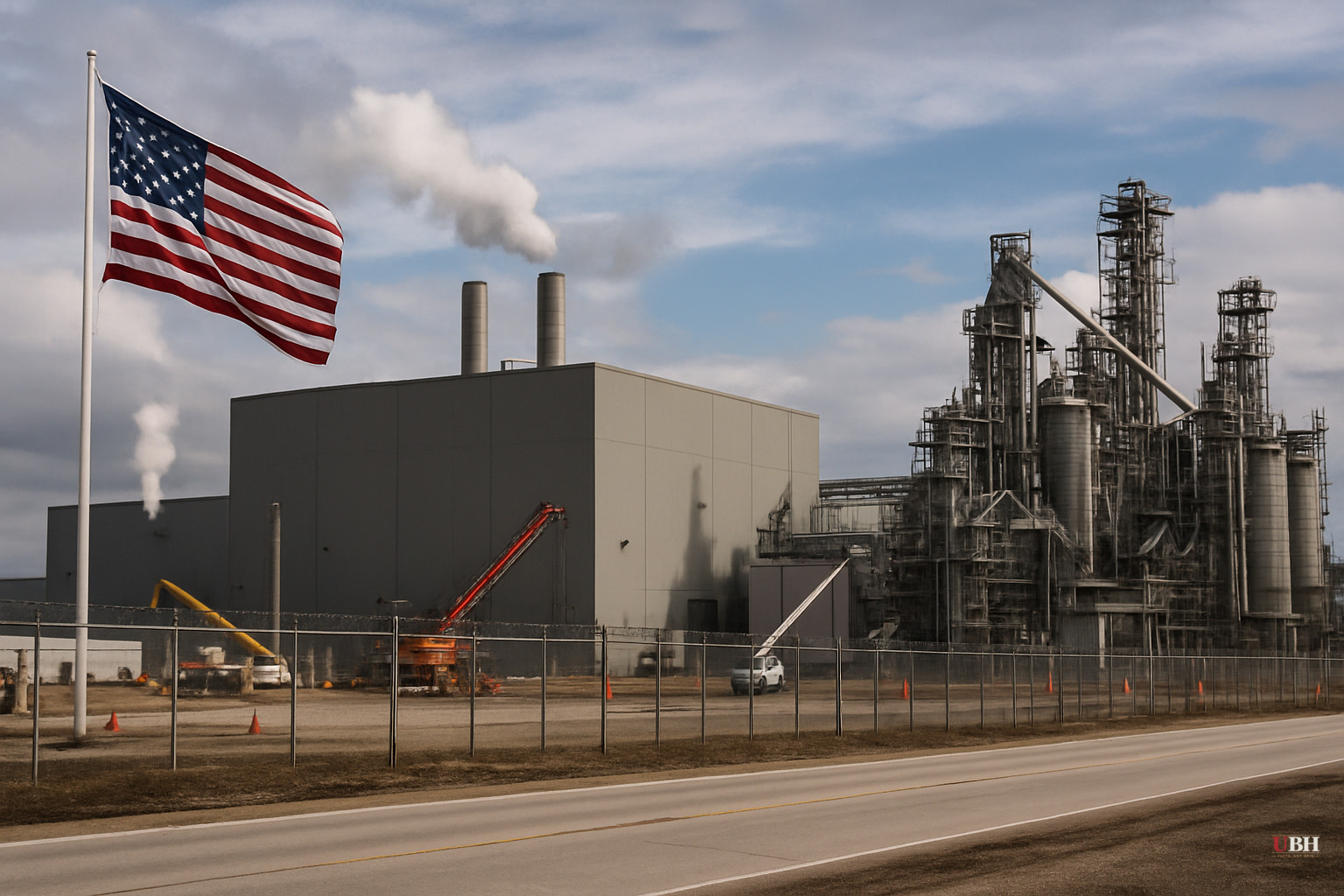
The Promise vs. The Permit
Everyone agrees on the bumper sticker: bring the factories home. Trump campaigned on it. Democrats quietly adopted the vocabulary when it polled well. The CHIPS Act, the Inflation Reduction Act, and now Trump's second-term tariff push all rest on the same assumption that America can rebuild an industrial base it spent four decades offshoring.
Fox News ran a commentary piece arguing that the biggest obstacle to Trump's reindustrialization agenda isn't China, isn't financing, and isn't global supply chains. It's Americans themselves — specifically the permitting battles, zoning fights, and neighborhood opposition that stall projects before a single shovel breaks ground.
That argument deserves a serious look because there is documented evidence behind it.
The Permitting Problem Is Real
The numbers on U.S. permitting timelines are not in dispute. Critical minerals mining — the foundation of every clean energy technology, electronic, and defense system America produces — faces permitting timelines of 7 to 10 years in the United States, according to the Fox News source. The Resolution Copper Mine in Arizona, sitting on one of the largest copper deposits in the world, spent more than two decades in litigation before a land exchange was finally completed in March 2026. Opponents immediately promised to keep fighting.
The backlash extends beyond mining. A Gallup poll found that 71% of Americans oppose data centers being built in their communities — opposition now exceeding that of nuclear power plants. Local activism has already blocked or delayed $64 billion in data center projects between May 2024 and March 2025 alone. Columbia University researchers found a 111% increase in state bans on renewable energy projects in the last year alone.
The pattern is consistent: from mines to factories to energy infrastructure, local opposition is stalling the physical buildout that any reindustrialization agenda requires.
Not Just Red Tape — Real Tradeoffs
The strongest counter-argument to the "stop blocking the bulldozers" framing is worth stating plainly: environmental review and community input processes exist because industrial facilities have historically been placed in lower-income and minority communities, with real consequences for air and water quality. The people who show up at zoning hearings to oppose a plant in their backyard are not always NIMBYs acting in bad faith. Sometimes they have legitimate concerns about what their neighborhood becomes.
That concern doesn't disappear just because reshoring is a national priority. The policy challenge is building a process that can move faster without stripping communities of any meaningful say. Right now the U.S. doesn't have that process.
The Labor Gap
Even when projects clear permitting, workforce is the next wall. The problem is structural: a generation of trade-school defunding, cultural messaging that routed most workers toward four-year degrees, and an aging skilled-trades workforce retiring faster than apprenticeship programs can replace it.
Trump's administration has pointed to trade school investment and immigration enforcement as the dual levers — more domestic training, fewer undocumented workers competing for low-wage manufacturing slots. Critics argue that aggressive deportation in certain sectors has removed workers from food processing and construction faster than domestic pipelines can fill the gap.
What the Tariff Bet Is Actually Riding On
The Trump tariff regime — broad levies on Chinese goods, sector-specific tariffs on steel and aluminum, and ongoing negotiations with allied trading partners — is premised on the idea that raising the cost of imports will make domestic production competitive enough to attract private investment. That's a coherent theory.
The risk is timing. Factory construction takes years. Tariffs raise consumer and industrial input prices immediately. If domestic production capacity doesn't materialize quickly enough to absorb demand that can no longer be met cheaply from abroad, the result is inflation without the manufacturing jobs, at least in the short run.
Where This Lands
Fox News framed this as a story about American ambivalence — people say they want factories until one gets proposed near them. That's partly true, and it's a real political problem for any reindustrialization agenda regardless of which party is pushing it. As the source put it: "We want AI without data centers, iPhones without critical mineral mines, and energy without power plants."
Meanwhile, China is aggressively building. Chinese competitors aren't filing environmental impact reviews or waiting a decade for a mining permit — they control 70% of critical minerals processing, according to the source.
The framing nonetheless undersells the structural complexity. Permitting reform, workforce development, and community-benefit agreements all require sustained legislative work that moves slower than a tariff executive order. The Trump administration has the stated goal and the trade tools. Whether the current regulatory and workforce reform pipeline will produce enough domestic capacity fast enough to validate the tariff costs remains the unresolved question.
Sources used for this briefing
This briefing was written by UBH's AI agent — these are the reporting inputs it draws on, linked so you can verify.


