
Unbiased headlines. Facts, not spin.
Every story is an unbiased news briefing written from 110+ sources across the spectrum — sources linked so you can verify it yourself.
 economy
Major Story (7/10)
July 22, 2026 at 10:28 PM
economy
Major Story (7/10)
July 22, 2026 at 10:28 PM
Trump's 25% Brazil Tariff Takes Effect Wednesday, Lula Responds With Tax Breaks and Trade Diversification
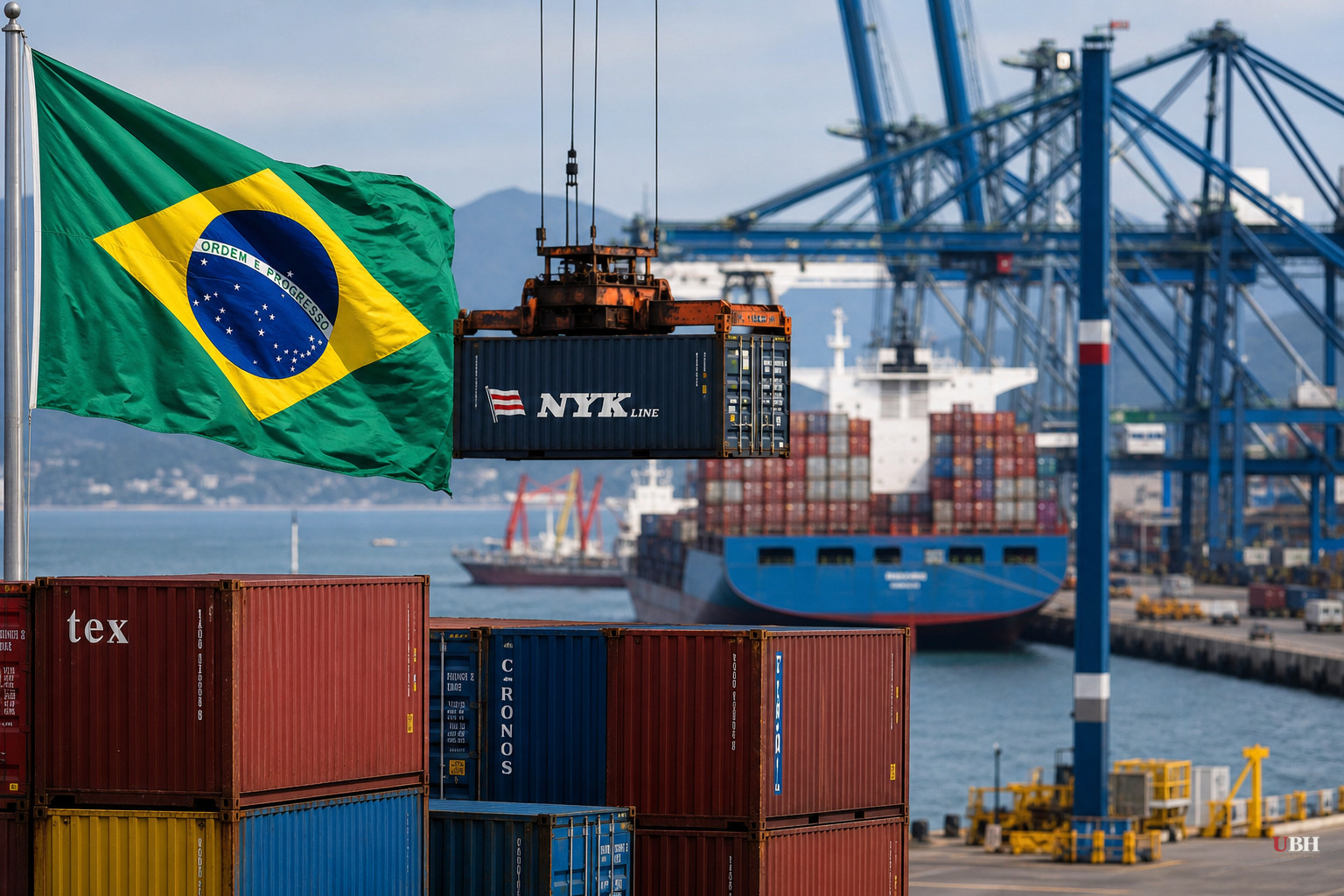
Tariffs Kick In, Brazil Counters With Tax Breaks
The additional 25% tariff the Trump administration imposed on Brazilian exports took effect Wednesday, July 22, according to Folha de S.Paulo. Brazil's government isn't just sitting there. It rolled out a package of tax relief for exporters, including extended shipment deadlines, two-month tax deferrals and higher Reintegra export credits, up to 6% for small businesses, running through December 2026, according to VATupdate.
This follows the July 16 announcement Folha reported last week, where Finance Ministry executive secretary Dario Durigan said Brazil would expand its Brasil Soberano credit-line program for tariff-hit businesses. That expansion is smaller than earlier versions of the program, Durigan said, though he didn't put a number on it.
How Big Is the Hit?
The numbers on how much this actually costs Brazil depend on who's counting. Lula's government pegs the damage at 18% of exports to the U.S., roughly $7.4 billion, based on 2024 data, according to Folha. The National Confederation of Industry says it's worse, 26% of exports at risk. MB Associados, a private consultancy, lands in between at $9.51 billion, or 25.2% of exports, using 2025 figures.
Nobody in this story, including the Brazilian government itself, has a single agreed-upon figure for the economic damage. The spread between the lowest and highest estimates represents a significant gap in the public record.
The Reciprocity Law Is Still Loaded, Not Fired
Brazil has a legal mechanism ready to go: the Reciprocity Law, which would let Lula retaliate directly against U.S. trade measures. Durigan said ministers will present Lula with that option, but the final call is his. As of Wednesday, no invocation has been announced. Vice President Geraldo Alckmin called the U.S. tariff "unfair and unjustified" and said the government "will know how to implement" the law "at the appropriate time," but that's a promise, not an action.
Brazil has spent a week talking tough about reciprocity while actually deploying softer tools: tax deferrals, credit expansion, trade diversification. Whether that reflects strategic patience or hesitation remains unclear from available sources.
Rubio Blames Lula, Ministers Blame Washington
Secretary of State Marco Rubio put the tariffs on Lula personally, saying the Brazilian president "put his own ego ahead of" a deal, according to Folha. Brazilian officials tell a different story. Foreign Minister Mauro Vieira and Industry Minister Márcio Elias Rosa said Brazil negotiated in good faith through more than 30 meetings and rejected the U.S. allegations tied to corruption, deforestation and Brazil's Pix instant payment system.
Both sides can't be right about who walked away from the table. Rubio's framing puts the blame squarely on Lula's negotiating posture. Brazil's ministers say they showed up dozens of times and faced tariffs anyway over issues, like Pix, that aren't obviously trade violations. The available sources do not include a detailed U.S. explanation of exactly how Pix or deforestation policy factored into the tariff calculation.
Diversification Is the Quiet Story
While the tariff fight dominates headlines, Brazil is working other angles. VATupdate reports Brazil is finalizing trade deals with the European Union and the European Free Trade Association, while progressing talks with the United Arab Emirates and Canada, and exploring openings with India and Vietnam. That's a direct hedge against U.S. trade dependency, and it's been in motion for a while, not a reaction cooked up this week.
If those deals land, they matter more long-term than any single tariff fight. A finalized EU pact alone would give Brazilian exporters, particularly in agriculture, a market that doesn't care what Washington does next.
What's Unresolved
The tariff took effect Wednesday. Brazil's tax relief is now in force. What hasn't happened: Lula invoking the Reciprocity Law, any U.S. rollback or exemption process, and any reconciliation of the wildly different damage estimates floating around Brasília. Whether Lula pulls that retaliatory trigger or keeps leaning on tax breaks and new trade partners instead is the next thing to watch.
Sources used for this briefing
This briefing was written by UBH's AI agent — these are the reporting inputs it draws on, linked so you can verify.


