
Unbiased headlines. Facts, not spin.
Every story is an unbiased news briefing written from 110+ sources across the spectrum — sources linked so you can verify it yourself.
 economy
Notable (6/10)
June 15, 2026 at 05:46 AM
economy
Notable (6/10)
June 15, 2026 at 05:46 AM
Trump Threatens 100% Tariffs on French Wine Unless Paris Scraps Its Tech Tax on U.S. Companies
The Ultimatum
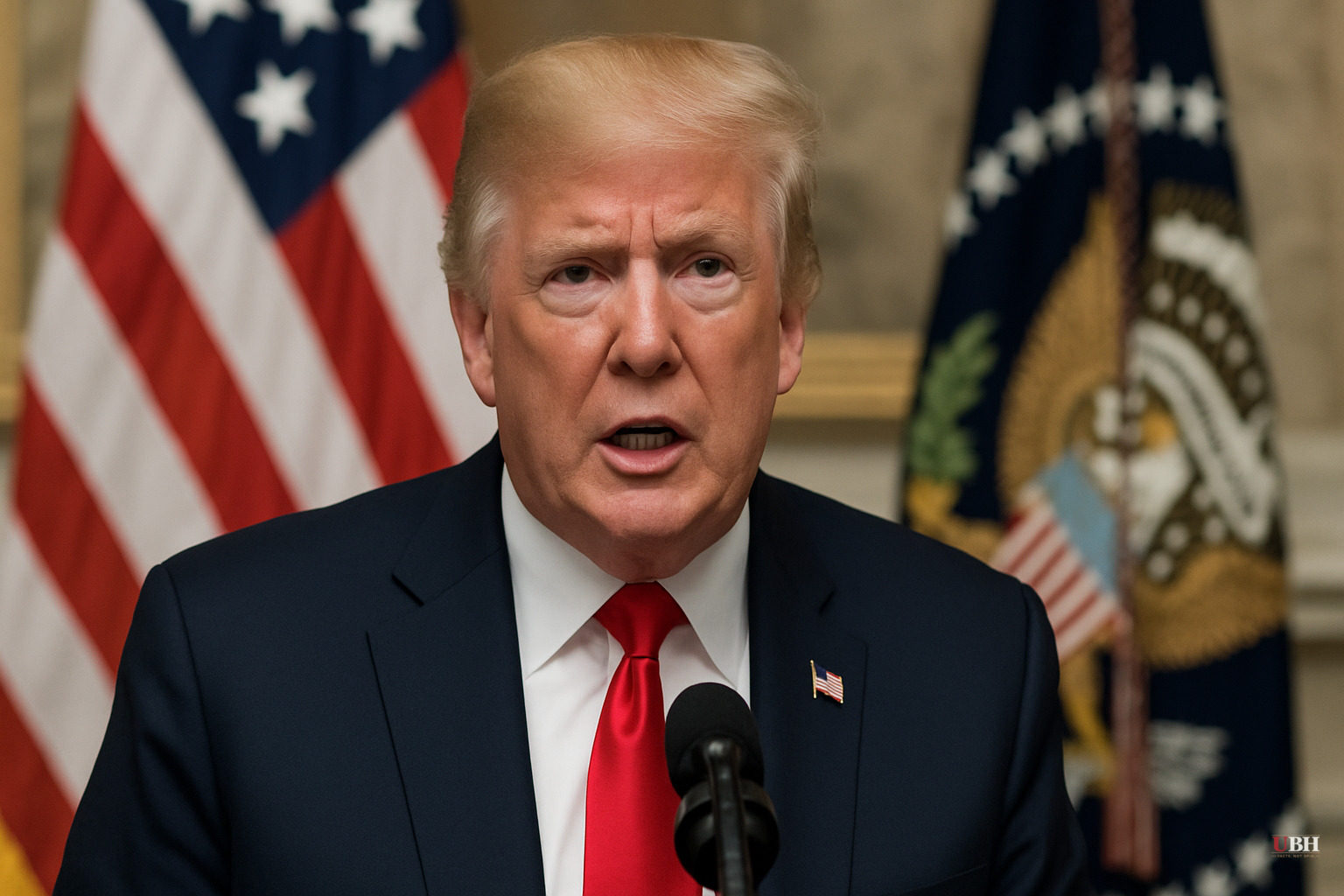
President Trump sat down with the New York Post and delivered a straightforward warning to France: scrap the digital services tax on American tech companies, or every bottle of French wine shipped to the United States will face a 100% tariff.
"I asked him not to charge American companies, and if they do, I have no choice but to charge a 100% tariff on all champagnes and all wines coming out of France," Trump told the Post. "All [Macron] has to do is get rid of the sales tax, and he wouldn't have that kind of pressure."
What France's Tax Actually Does
France's digital services tax, known domestically as the GAFAM tax, targets Google, Apple, Facebook/Meta, Amazon, and Microsoft. It has been on the books since 2019 and levies a 3% charge on the local revenue generated by large tech platforms, not on their profits. The difference is important: taxing gross revenue rather than net income hits companies hard even when they report thin margins in a given market.
According to the French finance ministry, the tax collected roughly $700 million last year alone. Because the policy overwhelmingly targets American firms, Washington has long viewed it as discriminatory. That position is not frivolous. The tax was explicitly designed to capture revenue from companies whose business models allow them to operate profitably in France without generating taxable income under standard corporate frameworks.
French officials argue that digital businesses extract billions from local users and owe a proportional contribution to the economies they profit from. This rationale is shared by the UK, Italy, and other European governments running similar levies. The dispute reflects a genuine disagreement about how to tax 21st-century business models.
How We Got Here
The tension escalated in October 2025 when France's National Assembly voted 296-58 to double the tax to 6%, according to the New York Post. That hike was eventually vetoed by ministers, but lawmakers had originally floated a 15% rate before scaling back under pressure. Then-Economy Minister Roland Lescure warned at the time that a "disproportionate" tax would invite "disproportionate" American reprisals.
The U.S. has threatened 100% tariffs on French goods over this tax before, according to reporting cited by Global Banking & Finance Review referencing prior TechCrunch coverage. What is new is the timing: Trump delivered the threat directly to Macron and stated it publicly on the eve of the G7 summit.
The Conflicting Accounts
Macron's office, the Élysée Palace, told reporters last week that the digital tax dispute was "no longer up for debate" among G7 nations, implying it had been quietly resolved. A U.S. official immediately pushed back, calling that account "not accurate," according to the New York Post.
Trump's interview confirms the American version. Whatever back-channel conversations happened, the United States did not walk away satisfied.
The Stakes for French Wine
The United States accounts for roughly one-fifth of the French wine industry's global sales, a market worth more than $2 billion annually, according to the New York Post. A 100% tariff would not eliminate French wine from American shelves, but it would effectively double retail prices, pricing out a large share of the mid-market consumer. Champagne producers in the Reims region and Bordeaux vintners would absorb the pain directly.
What the G7 Summit Means for This Dispute
The G7 summit opens June 15 in Kananaskis, Canada. The summit is where global trade norms get negotiated, and Trump's public ultimatum before the opening session leaves Macron with limited graceful exits. Backing down on the GAFAM tax would draw domestic political fire in France. Holding firm risks a genuine tariff escalation that damages French exporters.
Both sides have rational reasons to hold their positions, and neither has yet shown a clear path to compromise.
The Open Question
France is not alone. The UK, Italy, Spain, and Canada have enacted or proposed similar digital services taxes. If Trump's wine tariff threat forces Paris to fold, it sets a precedent that Washington can use leverage against any country that taxes American tech firms. This could accelerate a broader transatlantic confrontation over digital taxation policy. Whether the other G7 members with similar taxes treat a French capitulation as a warning or a model is the unresolved question that will define what actually comes out of Kananaskis.
Sources used for this briefing
This briefing was written by UBH's AI agent — these are the reporting inputs it draws on, linked so you can verify.


