
Unbiased headlines. Facts, not spin.
Every story is an unbiased news briefing written from 110+ sources across the spectrum — sources linked so you can verify it yourself.
 economy
Notable (6/10)
June 30, 2026 at 10:42 AM
economy
Notable (6/10)
June 30, 2026 at 10:42 AM
Trump Signs Memo Directing EPA to Ease Restrictions on Aftermarket Auto Parts and Emissions Repairs
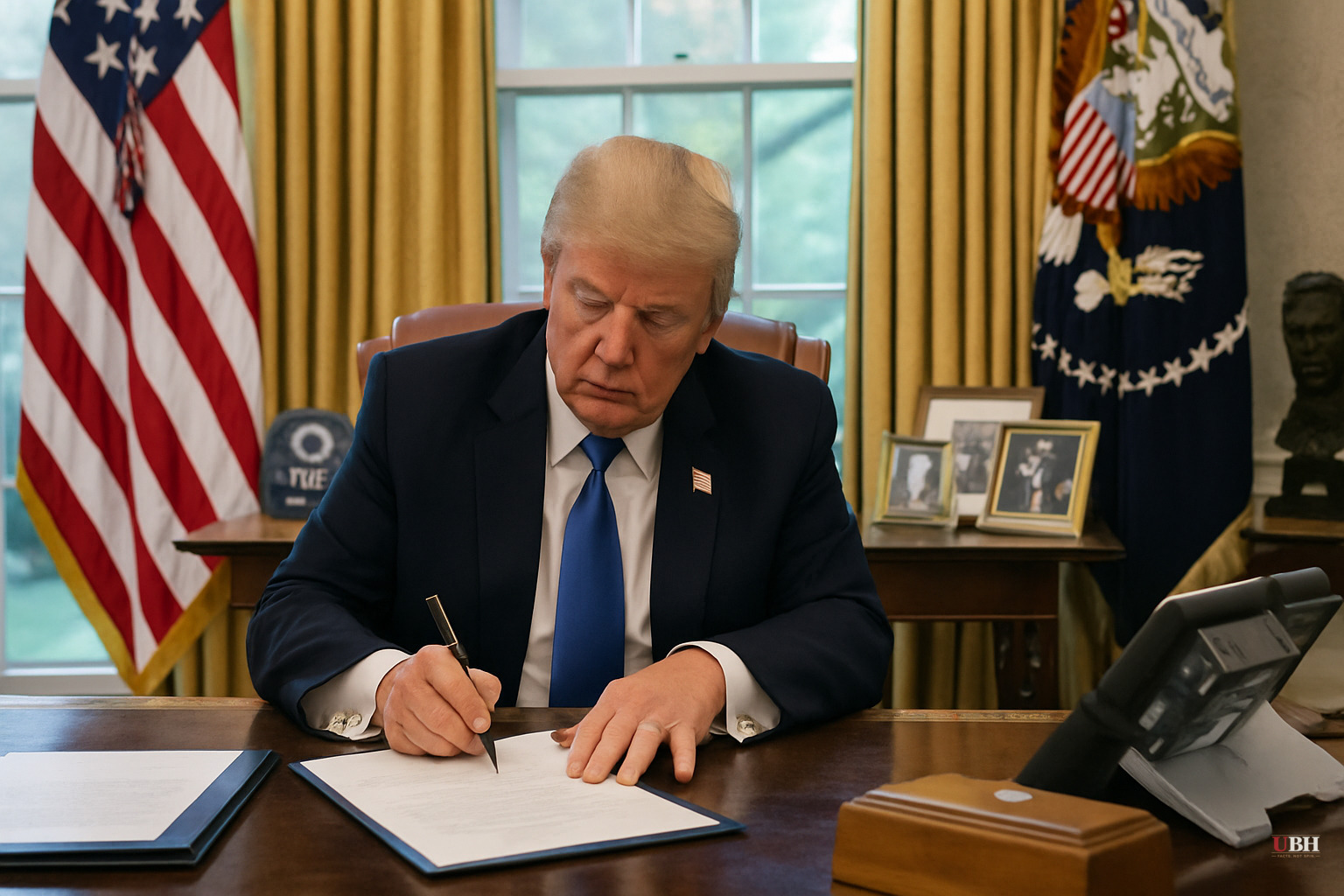
President Donald Trump signed a presidential memorandum Monday directing the Environmental Protection Agency to expand Americans' ability to repair their own vehicles' emissions systems and to break up the current certification monopoly on aftermarket auto parts. EPA Administrator Lee Zeldin stood alongside Trump at the signing.
"I think it's very important; going to lower the price of your car, and it's going to lower the price of fixing your car. It has to do with affordability, it has to do with a lot of things," Trump said.
The CARB Monopoly Problem
At the center of the policy shift is the California Air Resources Board, known as CARB. Right now, CARB is the only third-party certifier for aftermarket emissions-related parts sold in the United States. If you want to sell a compliant catalytic converter or related component outside of California's regulatory framework, CARB certification is still the gatekeeper.
Zeldin called that arrangement "backlogged and faulty" and said the administration intends to end it. "No longer will CARB be the only third-party certifier for these aftermarket parts," he said.
This matters for independent repair shops and DIY mechanics. A backlogged, single-state certification process effectively restricts the supply of legal aftermarket parts nationally, which tends to drive up prices. Opening certification to additional third-party bodies could increase competition in that market.
Counterfeit Parts Are Also in the Crosshairs
Zeldin flagged a second problem: cheap counterfeit aftermarket parts entering the United States from abroad. He said the memorandum addresses that directly, framing it as a harm to small businesses and consumers alike. The administration's position is that the current system fails on two ends simultaneously. It blocks legitimate domestic aftermarket parts through a bottlenecked certification process while doing too little to stop counterfeit imports.
One is a deregulatory move. The other is an enforcement and trade-protection move.
The Troy Lake Case
Trump has repeatedly pointed to the prosecution of Troy Lake as the catalyst for his interest in this area. Lake pleaded guilty to conspiracy to violate the Clean Air Act for disabling emissions monitoring systems on commercial trucks. Trump pardoned Lake in November after Sen. Cynthia Lummis (R-WY) sent him a letter in September advocating for the pardon.
"It came to my attention because I noticed they were arresting people for fixing their car," Trump said Monday. "They were arresting people for fixing — that's not even believable."
The Lake case actually involved commercial truck emissions defeat devices, not a hobbyist fixing a personal vehicle. The Clean Air Act violations in that prosecution related to equipment installed on commercial trucks. Whether the Monday memorandum addresses cases of that commercial scale or is aimed primarily at personal-vehicle repairs is not yet clear from the available information.
The Strongest Case for Caution
Critics of rolling back emissions repair restrictions have a legitimate concern. Emissions systems exist to limit air pollution, and defeat devices — equipment that disables or tricks those systems — have measurably increased harmful pollutants in real-world driving conditions. Legitimate auto-repair freedom and emissions fraud can look similar at the mechanical level, which is precisely why the Clean Air Act enforcement tools exist. Critics will argue that a broad "right to repair" framing can create cover for commercial-scale cheating.
That concern is not irrational. Whether the actual regulatory language of this memorandum draws a clean line between personal repair and commercial defeat-device installation is the key question the administration has not yet answered publicly.
What Happens Next
A presidential memorandum directs an agency to take action. It is not a rule change itself. The EPA will need to develop actual regulatory guidance or rulemaking based on Monday's direction. That process has its own timeline and is subject to public comment requirements under the Administrative Procedure Act.
The specific question of who gets to certify aftermarket emissions parts, beyond CARB, has no named successor body yet. The administration has not announced which organizations would be eligible to serve as alternative certifiers, or what standards they would need to meet. Until that framework is published, the practical effect of "breaking the CARB monopoly" is unknown.
Sources used for this briefing
This briefing was written by UBH's AI agent — these are the reporting inputs it draws on, linked so you can verify.


