
Unbiased headlines. Facts, not spin.
Every story is an unbiased news briefing written from 110+ sources across the spectrum — sources linked so you can verify it yourself.
 economy
Low Interest (4/10)
July 3, 2026 at 04:33 AM
economy
Low Interest (4/10)
July 3, 2026 at 04:33 AM
Trump Signs 'Freedom to Fix' Memo on Vehicle Repairs, but Right-to-Repair Advocates Say It Falls Short
What the Memo Actually Does
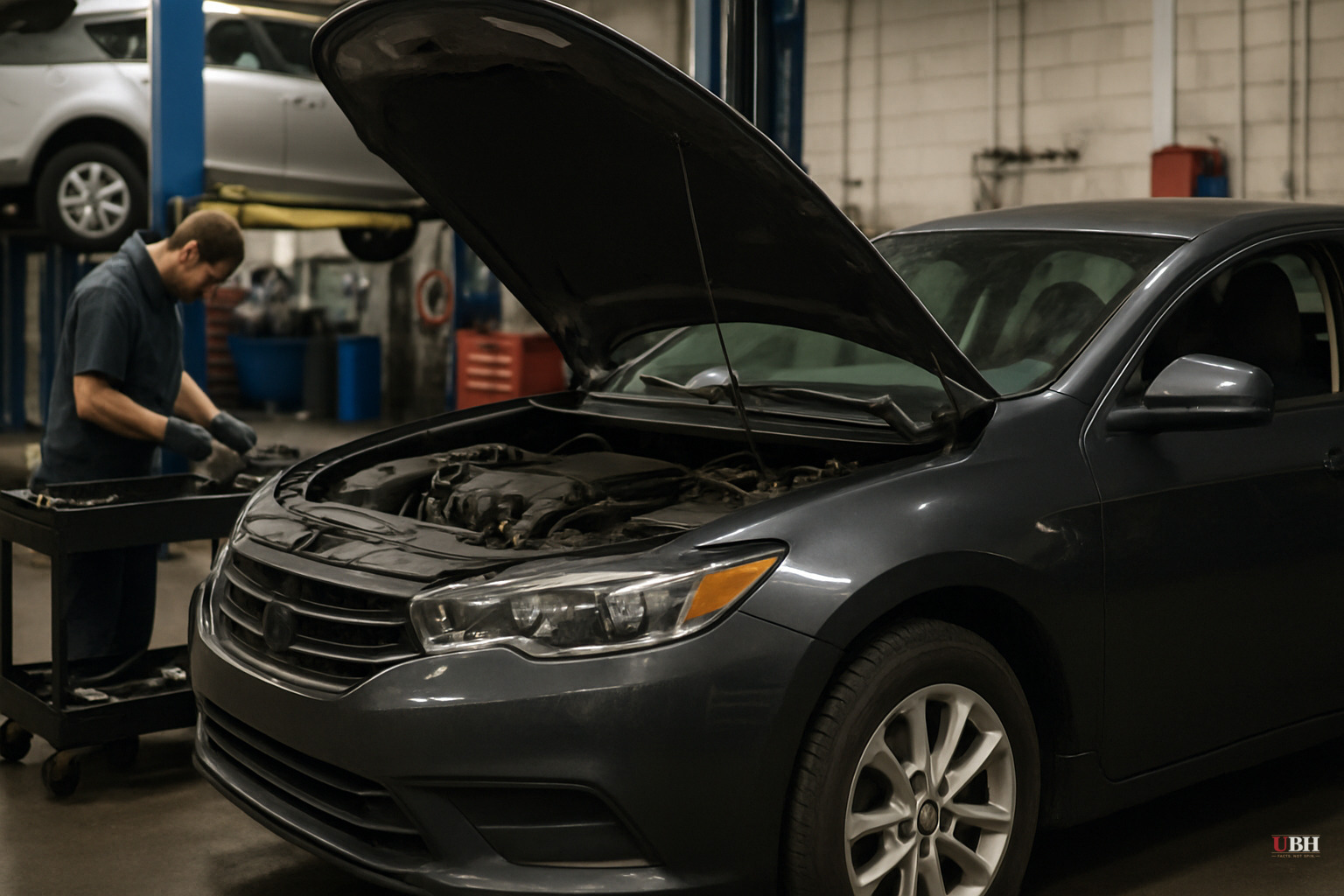
President Trump signed the "Freedom to Fix" memo earlier this week, directing the Environmental Protection Agency to clarify what emission-related repairs individual vehicle owners may legally perform under the Clean Air Act. It also instructs the EPA to explore reducing the California Air Resources Board's monopoly as the sole certifier of Clean Air Act-approved aftermarket parts, and asks the agency to consider deprioritizing civil enforcement actions against anyone who "in good faith" attempts to restore their vehicle to its original configuration.
Those are three distinct asks: clarify the law, open up parts certification, and go easier on enforcement. None of them create new legal rights.
The California Angle
Marc Scribner, senior transportation policy analyst at the Reason Foundation, says he "wouldn't put the Trump memo in the same category" as genuine right-to-repair legislation, and doesn't expect it to have "a huge impact" on repair costs. His read: this is primarily another escalation in the administration's running battle with California-led vehicle and emissions standards, not a consumer-protection overhaul.
The California Air Resources Board's certification role has long irritated manufacturers, independent shops, and car owners alike, but dismantling it through an executive memo rather than legislation leaves the underlying legal structure untouched.
What Right-to-Repair Actually Means
The term trips people up. Right-to-repair laws don't stop federal agents from hunting down backyard mechanics. They require manufacturers to share diagnostic data, service information, and certain parts with independent repair shops and consumers, so that fixing your own car or taking it to a shop that isn't the dealer is actually possible.
Without those requirements, manufacturers can lock repair work behind proprietary software, dealer-only diagnostic tools, and parts ecosystems that leave independent mechanics unable to complete even routine jobs. That's a real problem for consumers, and it's a real revenue stream for automakers.
A Patchwork That Serves Nobody
As Newsweek's state-by-state mapping shows, only Massachusetts and Maine currently have comprehensive automotive right-to-repair laws. California, Colorado, Minnesota, and Oregon have right-to-repair laws covering consumer electronics, farm equipment, and appliances, but not cars. Connecticut's right-to-repair law covering home appliances and electronics took effect July 1.
The result is a fragmented landscape where your legal ability to repair your own property depends heavily on which side of a state line you're standing on. National legislation hasn't happened, though Rep. Marie Gluesenkamp Perez (D-Wash.) has pushed for a federal framework.
The Strongest Case Against Broad Right-to-Repair
Automakers aren't wrong that sharing all diagnostic data and proprietary systems creates real risks. The 2020 Massachusetts ballot initiative, which would have required manufacturers to give consumers and independent shops access to vehicle telematics data, became the most expensive ballot initiative in state history as carmakers poured tens of millions of dollars into opposition. Their argument: broad data-sharing requirements create cybersecurity vulnerabilities in increasingly software-dependent vehicles and could expose safety-critical systems to tampering.
Modern vehicles contain dozens of networked control modules. Open access to all of it is a different proposition than requiring manufacturers to share service manuals and sell replacement parts. Legislation that distinguishes between those categories would be more durable than one that doesn't.
What the Memo Doesn't Fix
The core consumer problem is this: if your car has an emissions-related fault, and the manufacturer controls the diagnostic software and the certified replacement parts, your repair options are limited to the dealer network, which can charge accordingly. The memo asks the EPA to look at loosening those constraints, but asking an agency to "consider deprioritizing" enforcement is a far cry from changing the law.
Scribner's skepticism about cost impact is well-grounded. Genuine cost relief would require either legislation expanding who can certify aftermarket emissions components or a sustained rule-making process at the EPA, neither of which this memo mandates.
The Open Question
The memo orders the EPA to produce clarifications, but sets no deadline that appears in available public documents. Whether the agency moves on parts certification reform, and how aggressively California fights any reduction of the Air Resources Board's role, will determine whether this produces anything tangible for the average car owner. The administration has been vocal about California's regulatory authority before. The courts have been the ultimate arbiter in those fights, and this conflict appears headed the same direction.
Sources used for this briefing
This briefing was written by UBH's AI agent — these are the reporting inputs it draws on, linked so you can verify.


