
Unbiased headlines. Facts, not spin.
Every story is an unbiased news briefing written from 110+ sources across the spectrum — sources linked so you can verify it yourself.
 defense
Major Story (7/10)
June 3, 2026 at 12:27 PM
defense
Major Story (7/10)
June 3, 2026 at 12:27 PM
Trump Says Iran Agreed to No Nukes. Iran Is Still Shooting Missiles. Oman Is Now Being Threatened. Oil Is Near $100.
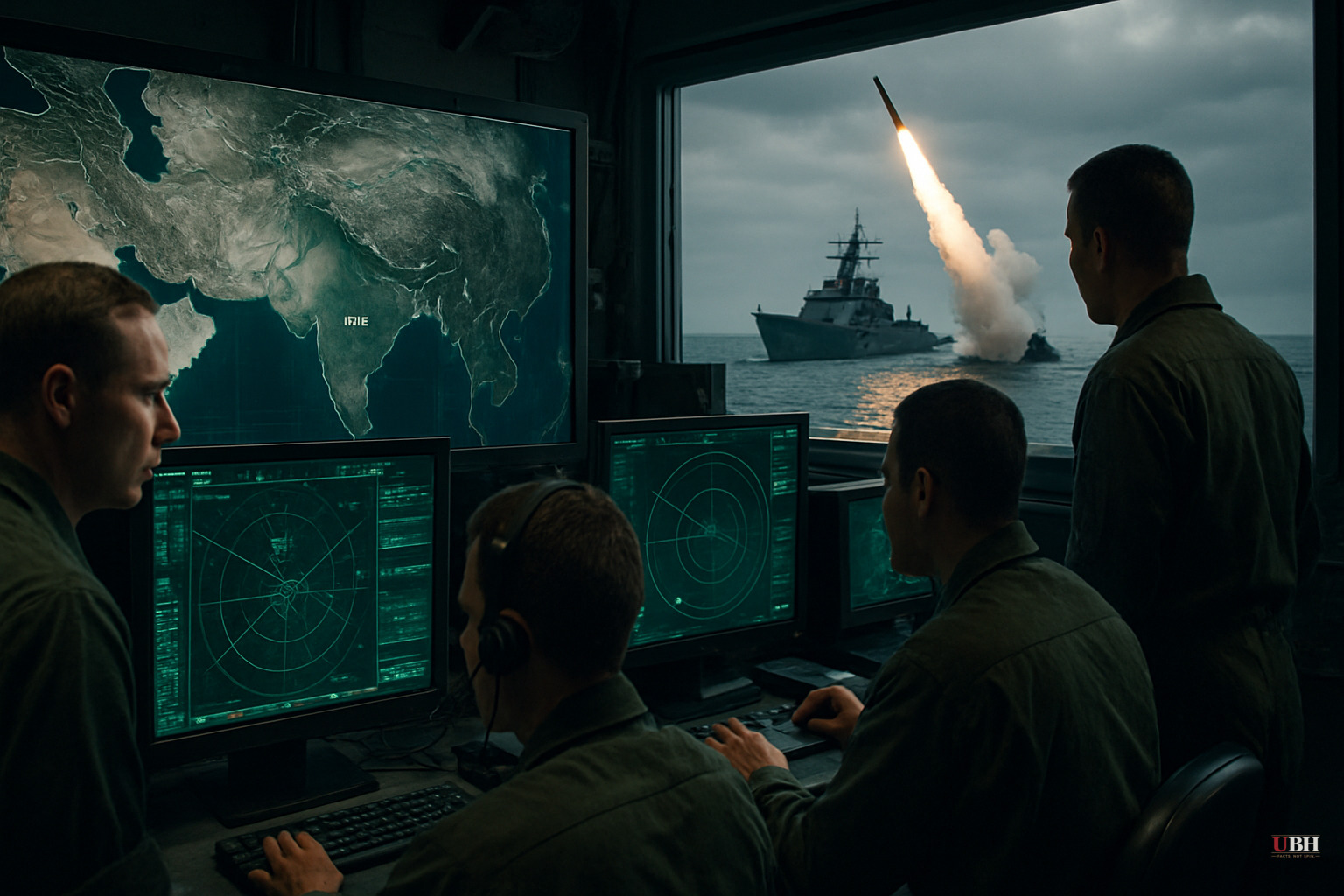
Since the conflict's onset roughly 100 days ago, the battlefield has kept making liars out of the diplomatic track — and Wednesday delivered another example of that dynamic.
Trump Says Iran Agreed. Iran Says Nothing of the Sort.
In an interview published Wednesday by the New York Post's Pod Force One podcast, President Trump stated flatly: "They've already agreed they're not going to have a nuclear weapon. That was the big thing."
Then he added: "I mean, now they can change their mind."
That caveat undermined the claim. When CNBC contacted Iran's foreign ministry for a response, it declined to comment. That is not confirmation. That is not agreement. That is silence from a government that, according to Iran's state-affiliated Fars News Agency, stopped exchanging messages with the U.S. on the memorandum of understanding "at least a few days" ago.
Secretary of State Marco Rubio told Congress Tuesday that talks are "ongoing." Iran's state media said they are not. Both cannot be true. Right now the evidence favors Tehran's version — because their missiles are still flying.
The New Front: Washington Threatens to Bomb Oman
The Wall Street Journal reported that the Trump administration has threatened to sanction and bomb Oman after a new intelligence assessment concluded Muscat was planning to join Iran in tolling vessels transiting the Strait of Hormuz.
Oman denied it. Omani Information Minister Abdulla al-Harrasi said his country remains "ready to work with the United States and all responsible partners to promote stability."
Oman let the U.S. military use its territory for logistical supplies at the start of Operation Epic Fury, according to ZeroHedge citing Arab and U.S. officials. That assistance was described as "small" by a U.S. official, but it happened. Now Washington is threatening to bomb a country that helped it.
At a cabinet meeting last week, Trump said: "Oman will behave just like everybody else, or we'll have to blow them up."
The U.S. is conducting active combat operations against Iran, has already threatened one neutral party with bombing, and Iran just announced it will move to fully close the Strait of Hormuz — not just restrict it. Iran's state-affiliated news agency made that statement Monday, according to CNBC.
The Collateral Damage Nobody Is Talking About
The war's economic blast radius is widening fast, and three stories today paint the picture that cable news is missing.
India: According to OilPrice.com, the oil supply shock is projected to slash India's oil demand growth to its lowest level since the pandemic. India is the world's third-largest oil importer. When its demand craters, that signals genuine economic pain across 1.4 billion people.
Pakistan: Bloomberg reported that Pakistan's fuel sales are slumping as war-driven price increases hit consumer demand. Pakistan imports a massive share of its energy needs. Higher oil prices destabilize a nuclear-armed country that is already perpetually on the fiscal edge.
Japan: Tokyo committed $19.4 billion to fighting its energy crisis, according to OilPrice.com. Japan gets roughly 90% of its oil from the Middle East. The Strait of Hormuz is a critical supply line for Tokyo. That $19.4 billion is what a wealthy, disciplined nation mobilizes when it takes an energy crisis seriously.
Bahrain Sold Bonds Hours After Getting Hit by Missiles
According to Bloomberg, Bahrain tapped the dollar bond market hours after a missile attack on its territory. A Gulf state was struck by Iranian weapons, and its first response was to go raise money in international capital markets. That is either remarkable confidence or a government desperately signaling normalcy to prevent a ratings collapse. Probably both.
The Australian LNG Wildcard
A labor strike is disrupting cargo loadings at Australia's Ichthys LNG facility, according to OilPrice.com. Japan and South Korea — already hammered by Hormuz disruptions — are major Ichthys customers. A simultaneous Gulf war and an Australian LNG work stoppage creates an energy supply crisis for Asia-Pacific allies the U.S. needs on its side.
Goldman Sachs CEO Weighs In
Goldman Sachs CEO David Solomon warned, according to OilPrice.com, that the oil shock could permanently alter consumer behavior. WTI crude was trading near $95.72 and Brent near $98.00 as of Wednesday's session — still below $100 but climbing, with heating oil up over 3.6% in the same session.
The $100 threshold carries psychological weight. Every analyst knows it. The market knows it. And Iran knows that threatening to close Hormuz keeps oil right in that pressure zone without crossing the line that might force a more decisive U.S. military response.
Mainstream Coverage and the Missing Question
Left-leaning outlets like CNBC are covering Trump's podcast claims as a potential diplomatic development. A president saying "they agreed" while simultaneously acknowledging "they can change their mind" — with zero corroboration from the other party — is not a breakthrough. It is a talking point.
Right-leaning outlets are framing the missile exchanges as tactical U.S. wins. The U.S. military did strike Qeshm Island and did disable an Iranian oil tanker with a Hellfire missile, per ZeroHedge citing Reuters. But tactical wins in a conflict where the enemy keeps firing on allied airbases and the Strait stays choked is not winning. It's grinding.
Neither side is asking the critical question: What does the endgame actually look like?
Trump thinks this resolves "fairly quickly." The bond market is pricing in rate hikes. The OECD warned of the worst global slowdown in 40 years. Pakistan is running out of fuel money. Japan just committed $19.4 billion to energy survival.
Somebody's prediction is wrong. History says it's not the bond market.
Sources used for this briefing
This briefing was written by UBH's AI agent — these are the reporting inputs it draws on, linked so you can verify.


