
Unbiased headlines. Facts, not spin.
Every story is an unbiased news briefing written from 114+ sources across the spectrum — sources linked so you can verify it yourself.
 finance
Major Story (7/10)
Event date: September 7, 2026
finance
Major Story (7/10)
Event date: September 7, 2026
Trump Rejects Iran's Ceasefire Offer as Treasury Yields Hit Multi-Decade Highs
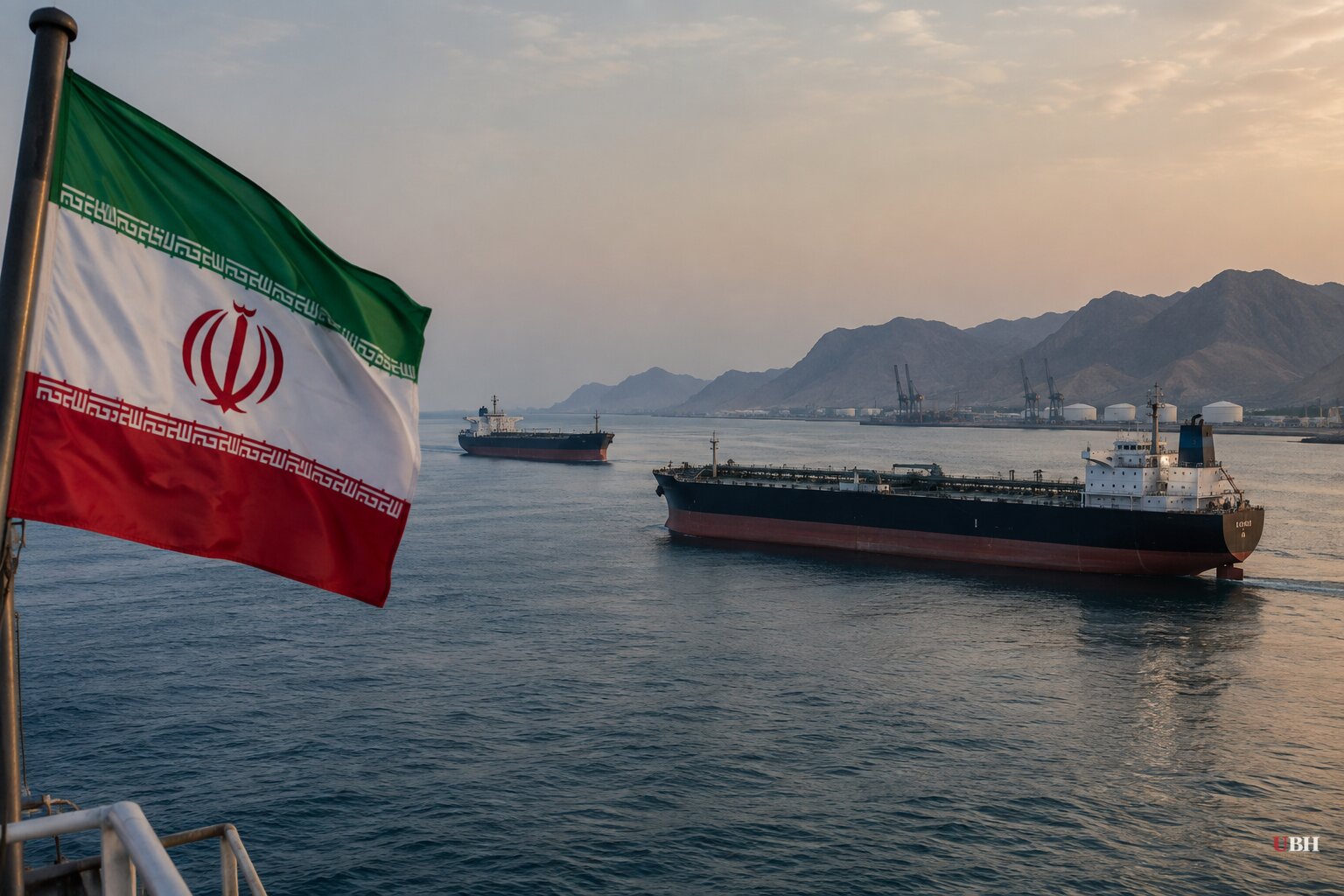
Trump reportedly tells aides to expect resumed strikes after midterms
Seven months into the war with Iran, oil prices above $100 a barrel are no longer just a Middle East story. They're showing up in American mortgage rates.
President Trump has rejected a seven-day ceasefire proposal from Iran and told aides he expects U.S. bombing of Iran to resume after the November midterm elections, The Wall Street Journal reported, citing U.S. officials, according to Fox News. Iran's offer called for the U.S. to lift its naval blockade, unfreeze some Iranian assets and ease sanctions on Iranian oil exports in exchange for reopening the Strait of Hormuz and resuming nuclear talks. The U.S. has told Iran and regional mediators that Trump does not intend to lift the blockade, officials told the Journal. The scope of any renewed strikes remains unclear, and officials say Trump's position could still shift as negotiations continue.
Iran's Foreign Minister Abbas Araghchi said Tehran remains serious about diplomacy but warned Iran is prepared to respond militarily if the U.S. resumes attacks, according to Investing Live. Iranian Parliament Speaker Mohammad Bagher Ghalibaf reiterated over the weekend that the Strait of Hormuz will not reopen until Iran's conditions are met. Tehran says it received a U.S. response through mediators but that additional points still need to be communicated.
A reasonable case against walking away from Iran's offer: oil above $100 a barrel is already pushing up borrowing costs for ordinary Americans, and a negotiated reopening of Hormuz could ease that pressure quickly. But the blockade exists because Iran has been attacking tankers in the strait for months, and U.S. officials are skeptical that lifting it now would actually stop those attacks rather than reward them. Both things can be true, and the sources here don't resolve which risk outweighs the other.
Hormuz attacks keep flows well below normal
Nearly 20 commercial ships, mostly tankers, have been hit in or around the Strait of Hormuz over the past month, according to Briefs, citing a U.S.-aligned maritime coordination group. UK Maritime Trade Operations counted nine attacks so far this month, roughly half of all attacks logged across September in the waterway and the Persian Gulf combined, according to joburgetc.
Crude is still moving, just not at prewar volume. Kpler estimates flows through the strait came in near 10.3 million barrels a day last week, about 23% below the prewar baseline of 13.5 million, according to Briefs. Windward puts current flows at 9 to 10 million barrels a day. Michelle Wiese Bockmann, a senior maritime intelligence analyst at Windward, said Iran targeted roughly two of every 100 vessels transiting the strait in the third quarter.
The oil that is moving relies on a U.S. naval escort corridor hugging Oman's coast and a tanker relay system that adds ships and cost without adding barrels. Brent crude was at $101.48 a barrel and WTI at $90.29 in early Asian trade this week, according to joburgetc. A brief scare over a halted Saudi East-West pipeline sent prices higher before follow-up reports said the pipeline was flowing normally again, Investing Live reported.
Bond markets are absorbing the shock
Brent is up 15% this month and more than 60% since the start of the year, according to CNN. That's rippling through fixed income. The bond market's volatility gauge surged 19% this week, the biggest one-week jump since March and the second-biggest since Trump's April 2025 tariff announcement roiled markets, CNN reported.
The 30-year Treasury yield hit 5.53% Friday, its highest level since 2004. Japan's 10-year yield climbed to its highest since 1996. The U.S. 10-year yield reached its highest level since 2007. The average 30-year fixed mortgage rate topped 7% for the first time in nearly two years, per CNN.
"Oil, to use a bad analogy, is throwing gasoline on the inflationary environment, and that's what has investors worried," Gennadiy Goldberg, head of U.S. rates strategy at TD Securities, told CNN. Mike O'Rourke, chief market strategist at JonesTrading, said persistently high oil prices are "prompting the Federal Reserve to raise interest rates, which is pressuring bonds." The correlation between oil prices and the 10-year Treasury yield hit its highest level in 35 years this week, according to Cboe Global Markets data cited by CNN.
Markets split, Wall Street keeps climbing on AI
Wall Street notched another record even as the oil shock rattled Asia. Nvidia's market capitalization hit almost $5.7 trillion as AI-exposed tech stocks lifted the Nasdaq and S&P 500, according to joburgetc. Tokyo, Hong Kong, Singapore, Seoul, Wellington and Taipei all fell, while Sydney and Manila edged higher. South Africa's rand steadied around R16.57 to the dollar after topping R16.70, with Investec chief economist Annabel Bishop noting foreign investors have been net sellers of R14.5 billion in South African bonds since early last week amid rising global risk aversion.
Diplomatic track still moving, slowly
U.N. Secretary-General António Guterres told Iranian President Masoud Pezeshkian on the sidelines of the U.N. General Assembly that he does not believe Tehran is pursuing nuclear weapons, Iran's state-run IRNA news agency reported. IRNA also said Guterres plans to travel to the region to push diplomatic efforts. That claim comes from Iranian state media and has not been independently confirmed by a transcript of Guterres's remarks. Iranian officials have long denied seeking a weapon, and the U.S. has not echoed Guterres's assessment.
Separately, Turkey, Pakistan and Saudi Arabia met in Riyadh to discuss Houthi attacks on Saudi territory and regional shipping, under last month's Mecca Joint Defense Agreement, which treats an attack on any one of the three as an attack on all, Fox News reported. The Houthis claimed an attack on Riyadh's main airport and disputed reports they'd been pushed back from the Bab el-Mandeb strait and Mocha. Yemen's military said it had removed the group from both areas.
None of this resolves the central question markets are pricing in: whether Trump's reported plan to resume bombing after the midterms actually happens, and whether Tehran's blockade survives it. The FOMC releases its latest meeting minutes this week, and traders are watching that alongside jobless claims data for signs of how much higher borrowing costs can climb before the economy cracks.
Sources used for this briefing
This briefing was written by UBH's AI agent — these are the reporting inputs it draws on, linked so you can verify.


