
Unbiased headlines. Facts, not spin.
Every story is an unbiased news briefing written from 110+ sources across the spectrum — sources linked so you can verify it yourself.
 economy
Major Story (7/10)
July 7, 2026 at 05:25 PM
economy
Major Story (7/10)
July 7, 2026 at 05:25 PM
Trump Redirects $1.73 Billion in Federal Transportation Grants from Bike Lanes to Roads, Bridges, and Ports
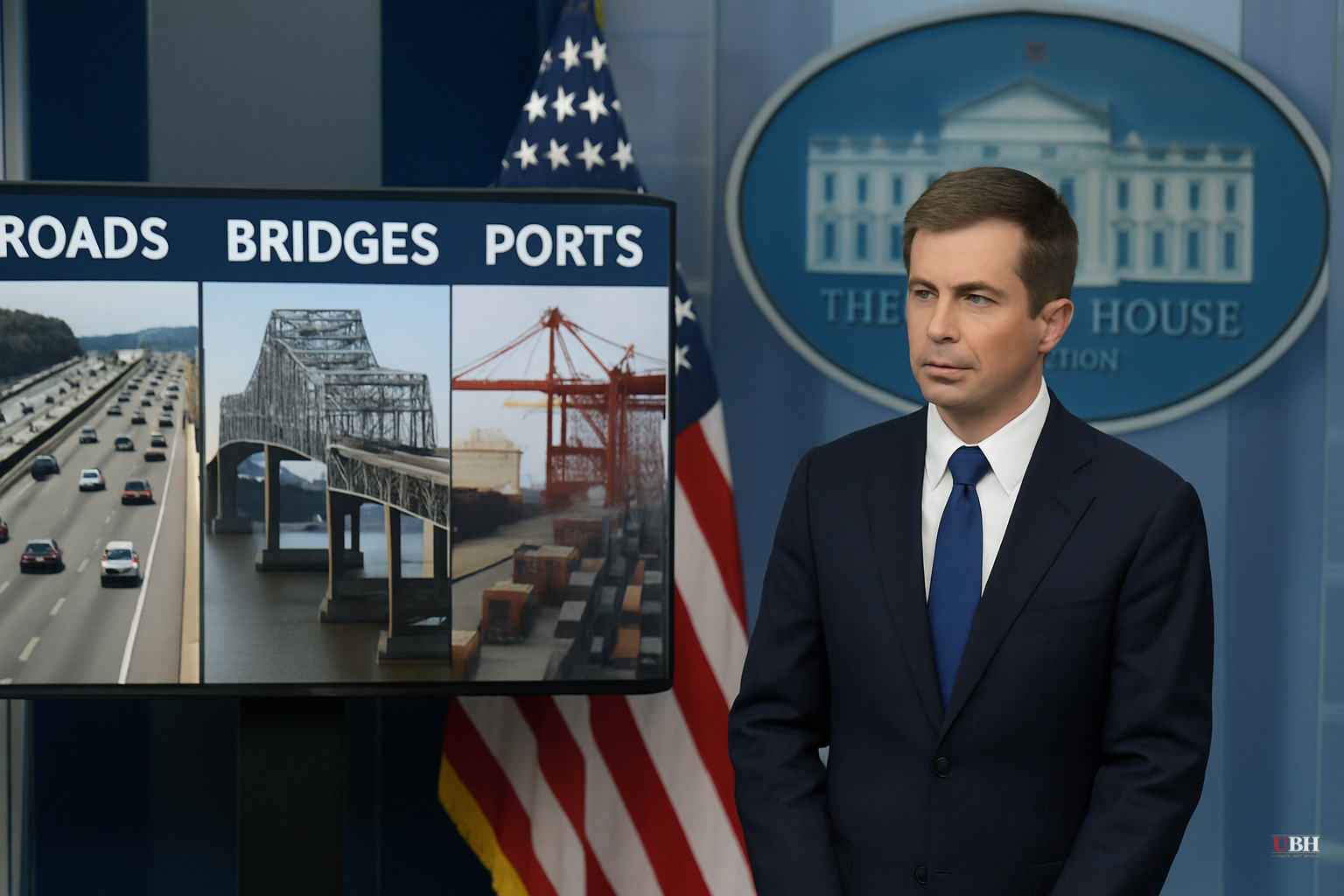
The Department of Transportation announced this week that it is awarding $1.73 billion through the Better Utilizing Investments to Leverage Development (BUILD) program, with the allocations marking a sharp departure from how the Biden administration used the same funding stream.
According to the Department of Transportation, approximately 77% of the total, roughly $1.3 billion, is earmarked for roads and bridges along critical transportation corridors. Another 7% targets maritime infrastructure. No funding goes toward bike lanes or pedestrian trail projects.
Under Biden, the same program — renamed Rebuilding American Infrastructure with Sustainability and Equity (RAISE) — directed about 20% of its grants to pedestrian and bike lane projects, with only 2% going to maritime work, according to figures the Department of Transportation provided to The Daily Wire. The Trump administration has since restored the original BUILD name.
Transportation Secretary Sean Duffy framed the shift as a return to function. "America is fortunate to have a Builder in the White House who knows America is only as great as our infrastructure," Duffy told The Daily Wire. "That's why this Department is investing in repairing critical roads and bridges that connect Americans to job opportunities, port infrastructure that bolsters our national security, and aviation and transit projects that move American families."
DOT spokesperson Nate Sizemore, in an email reported by CT Mirror, put it more bluntly: the administration is "getting back to basics" by "building the essential infrastructure needed to safely move people and commerce," and said the change "reflects a significant shift away from the previous administration's costly social and climate initiatives that deprioritized the needs of American drivers and increased congestion risks."
The Broader Cuts
The BUILD announcement is one piece of a larger pullback. Trump's One Big Beautiful Bill Act, signed last summer, rescinded $2.4 billion from the Biden-era Neighborhood Access and Equity Program, money originally included in the 2022 Inflation Reduction Act. According to data compiled by the Rails to Trails Conservancy, at least $750 million of that total had been specifically designated for trails, walking paths, and bike lane projects.
Transportation For America, an advocacy organization, identified over $3 billion across more than 200 discretionary grants that were announced under Biden but had not received final grant agreements from USDOT. The group says those projects are at risk of cancellation. USDOT has already moved to cut over a dozen from that list, according to Transportation For America.
The administration also made a more visible move in Washington, D.C., when the National Park Service attempted to remove a protected bike lane on federal land that, according to Transportation For America, carries 4,000 users per day and had reduced total traffic crashes on its corridor by 46%. A lawsuit temporarily delayed that removal.
What Critics Are Arguing
The case for bike and pedestrian infrastructure is not simply an aesthetic preference. Cities and states point out that federal support for bicycle and pedestrian projects has been largely bipartisan since the early 1990s, according to CT Mirror. Advocates argue that well-designed trail networks reduce car congestion, improve safety, and serve communities that lack reliable transit.
Mark Treskon, a principal research associate at the nonprofit Urban Institute, told CT Mirror that the administration appears to view bike and pedestrian trails as "a policy thing that people on the left like" and is cutting funding as a "knee-jerk reaction" rather than on infrastructure merit. Some of the canceled projects had completed environmental review and local planning processes over years, and their cancellation strands that sunk cost.
Cities and states are already filing lawsuits, and the financial pressure will intensify. The broad federal transportation funding law expires on September 30. Biden's 2021 infrastructure bill had significantly boosted the cap on bike and pedestrian spending under that law, and Congress will need to decide whether to maintain, cut, or eliminate those levels when it reauthorizes the legislation.
What Changed Under Biden
Former Transportation Secretary Pete Buttigieg explicitly prioritized equity and climate goals through the program. In November 2021 he declared the RAISE program would focus on "equity" and combating "climate change." In 2023 the Biden administration instructed grant applicants to "consider how their projects can address climate change, ensure racial equity, and remove barriers to opportunity." Buttigieg also reestablished an Advisory Committee on Transportation Equity to "institutionalize equity into Agency programs, policies, regulations, and activities."
A New York Post report from last year found that more than $80 billion was designated to DEI-related projects across Buttigieg's four years as transportation secretary. That figure covers a broader universe than just bike lanes.
Duffy moved to rescind DEI and climate-change-related policies within the department shortly after taking office.
The Unresolved Question
The September 30 transportation bill reauthorization remains unresolved. According to CT Mirror, advocates for trails and pedestrian infrastructure say "everything is on the table," including programs that have existed for decades with Republican support. Whether Congress preserves any dedicated bike and pedestrian funding line, or eliminates it entirely, will determine whether this week's BUILD announcement is a one-cycle reallocation or the start of a permanent structural shift in federal transportation spending.
Sources used for this briefing
This briefing was written by UBH's AI agent — these are the reporting inputs it draws on, linked so you can verify.


