
Unbiased headlines. Facts, not spin.
Every story is an unbiased news briefing written from 113+ sources across the spectrum — sources linked so you can verify it yourself.
 politics
Major Story (7/10)
September 22, 2026 at 04:34 PM
politics
Major Story (7/10)
September 22, 2026 at 04:34 PM
Trump Promises $500 ACA Rebate Checks as Vance Prepares to Cut Fraud-Flagged Enrollees From Coverage
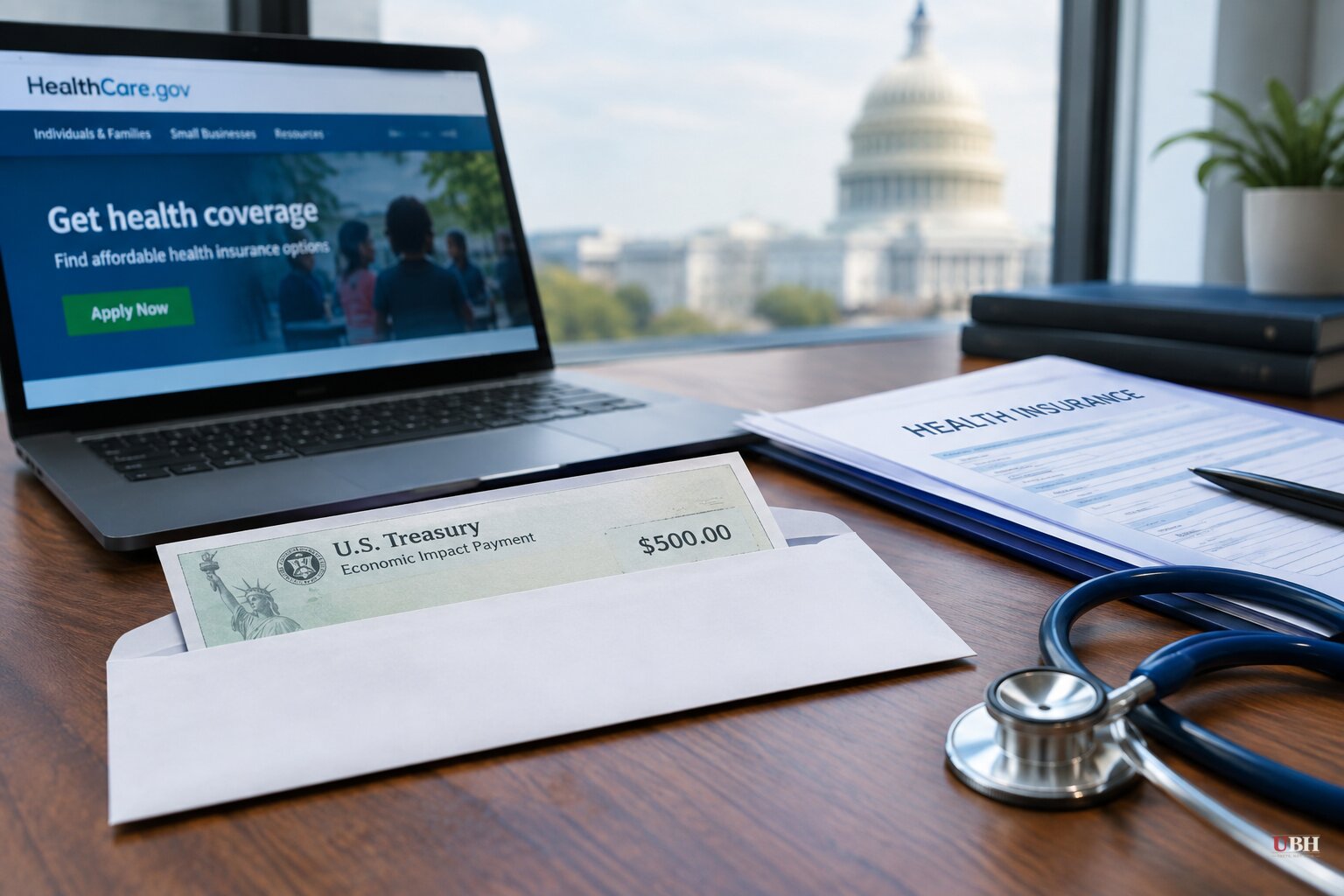
Two Affordable Care Act announcements from the Trump administration are landing in the same stretch of days with contradictory outcomes.
One promises money back to some enrollees. The other strips coverage from others. The White House frames both as corrections to Biden-era mismanagement.
The $500 Rebate Checks
President Trump said in a recorded address posted to the White House X account last Thursday that roughly 1 million ACA enrollees across 30 states will receive $500 rebate checks starting next month, according to the Associated Press. The checks are aimed at enrollees who do not receive premium assistance.
Trump accused the Biden administration of "gross mismanagement" of ACA funds, claiming it collected user fees from insurance companies that were passed on to consumers through higher premiums, per AP. He did not provide evidence for that claim in the address.
A White House fact sheet said the Biden administration "accumulated a significant surplus of funds that were not used to benefit the Americans who paid these higher premiums."
What's still unclear, per AP's reporting: whether $500 reflects what any individual enrollee actually overpaid, where the money for the checks will come from, and whether the disbursement requires congressional approval. The Centers for Medicare and Medicaid Services did not respond to AP's request for comment.
Brad Woodhouse, executive director of the advocacy group Protect Our Care, called the plan "an absolute joke" in a statement carried by AP. "Since Republicans took away tax credits from working families, millions of people have seen their monthly premiums rise by hundreds, if not thousands, of dollars," Woodhouse said, arguing $500 won't offset that.
That premium spike is real and documented. After Republicans in Congress allowed COVID-era enhanced subsidies to expire this year, premiums doubled or tripled for many ACA enrollees, according to AP, pushing millions to downgrade plans or drop coverage entirely. The Trump administration had opposed extending those subsidies.
The Enrollment Cuts
Vice President JD Vance and administration officials are set to announce Tuesday, September 22, that they are removing hundreds of thousands of people from ACA coverage, saying those enrollees were fraudulently signed up for the program, according to the Washington Post.
The Post's reporting, relayed through Political Wire and the paper's own Threads account, does not detail the criteria used to flag someone as fraudulently enrolled, how many total enrollees will be affected beyond "hundreds of thousands," or whether there is an appeals process for people removed. No independent verification of the fraud allegations has been presented in the sources reviewed for this story.
Senate Minority Leader Chuck Schumer pushed back on Bluesky Tuesday, framing the move as the administration's answer to rising health costs: "what is JD Vance and Donald Trump's solution? Kick hundreds of thousands more people off their health insurance," Schumer wrote, adding that Senate Democrats would "expand coverage and lower costs" if they retake the majority.
The Fraud Argument, in Context
The ACA enrollment cuts fit a pattern the administration has been building since early 2025. The White House's Fraud Ledger currently reports an estimated $245.7 billion in fraud uncovered since January 2025, with $62.9 billion in annual fraud stopped through administrative action and $59.1 billion recovered through indictments, settlements, and civil penalties, according to the Daily Signal.
A concrete example: the Education Department told the Daily Wire it saved $400 million in four months after restoring data-sharing agreements with the Social Security Administration and the Department of Homeland Security, agreements the Biden administration had turned off, according to Deputy Under Secretary James Bergeron. That included stopping federal student aid from going to dead people and, Bergeron said, from illegal immigrants. The department now requires identity verification for every FAFSA applicant flagged as high-risk.
That track record gives the administration's fraud claims some institutional weight. Critics of the broader push, including congressional Democrats, have not disputed the Education Department's specific savings figures. But the ACA enrollment cuts announced by Vance have not come with the same level of documented, itemized detail, at least not yet in public reporting.
The fair concern from ACA enrollees and advocates like Woodhouse is straightforward: if verification systems are opaque and there's no clear appeals path, people who are legitimately eligible risk getting swept up alongside actual fraud cases, especially while premiums are already spiking for everyone else. The fair concern from the administration's side, backed by the Education Department example, is that lax verification under the prior administration genuinely let ineligible people and dead identities draw down federal funds.
The administration has not yet released the underlying data, audit methodology, or state-by-state breakdown for the "hundreds of thousands" of enrollees it plans to remove. CMS has not responded to press inquiries on the rebate program's funding source either.
Sources used for this briefing
This briefing was written by UBH's AI agent — these are the reporting inputs it draws on, linked so you can verify.


