
Unbiased headlines. Facts, not spin.
Every story is an unbiased news briefing written from 110+ sources across the spectrum — sources linked so you can verify it yourself.
 economy
Major Story (8/10)
July 24, 2026 at 07:05 PM
economy
Major Story (8/10)
July 24, 2026 at 07:05 PM
Trump Opens Section 301 Investigation Into EU After Google's $1 Billion Antitrust Fine
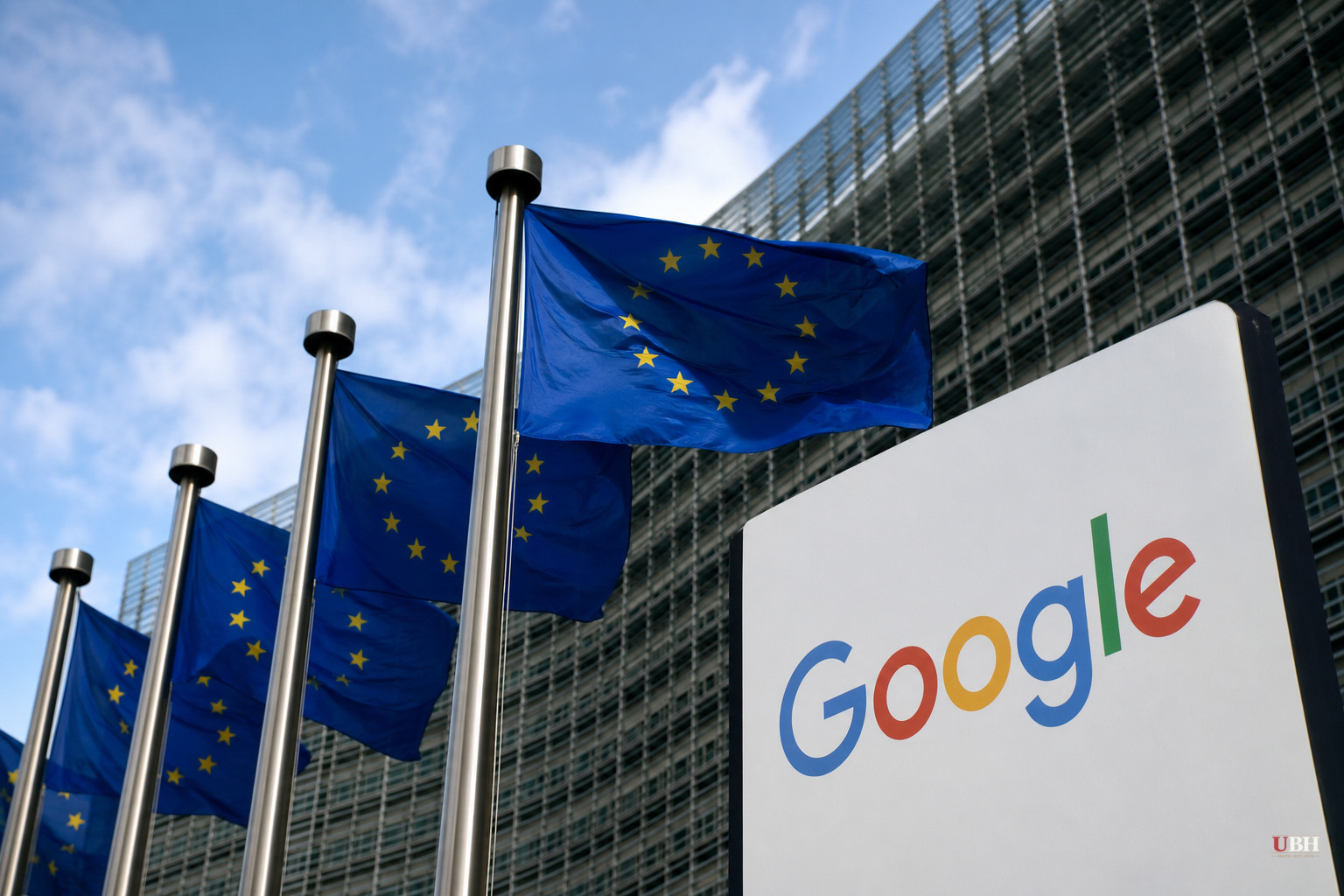
President Trump announced Friday, July 24, that his administration is opening a Section 301 investigation into the European Union, accusing Brussels of treating American tech companies as a "PIGGYBANK."
The trigger was a fresh EU fine against Google: 890 million euros, or roughly $1 billion, announced Thursday for breaches of antitrust rules tied to the Google Play app store and search engine, according to CBS News. It's the first fine issued under the EU's Digital Markets Act, which became enforceable in 2024, according to the Washington Examiner.
Trump laid out the tally on Truth Social: Apple fined $15 billion, Meta fined $3 billion, Amazon fined $2.5 billion, and now Google over $18 billion total across multiple penalties. "After having fined Apple, for no reason at all, 15 Billion Dollars... we have just been informed that Google... has been fined yet another 1 Billion Dollars, without explanation," Trump wrote, according to both ZeroHedge and the Washington Examiner.
He blamed the pattern on the prior administration. "This illegal and highly discriminatory practice started at these high levels during the first year of the Sleepy Joe Biden Administration, but it's not going to continue during the Trump Administration," Trump wrote. He said the fines will be "entirely reversed" and that a "substantial TARIFF" on the EU is coming "at the earliest possible moment."
What Section 301 Actually Does
Section 301 of the Trade Act of 1974 lets the U.S. Trade Representative investigate whether a foreign government's practices are "unreasonable or discriminatory" and burden U.S. commerce, according to CBS News. If the investigation finds evidence of unfair practices, it opens the door to tariffs and other penalties.
This isn't a one-off. The Trump administration has already used Section 301 against Brazil, India, and Japan, according to CBS News. And it's the same authority behind tariffs of 10% to 12.5% that took effect Friday against products from 60 countries the administration says failed to crack down on forced labor, replacing an expiring Section 122 levy.
The pivot toward Section 301 and Section 122 matters because of what happened earlier this year: the Supreme Court struck down Trump's sweeping across-the-board tariffs, which had been imposed under a federal emergency powers law. Since that ruling, the administration has rebuilt its tariff strategy using these narrower, more legally defensible trade statutes instead.
Google's Side of the Fine
The European Commission's case against Google centers on two claims: that Google prioritizes its own services over competitors' in search results, and that it blocks app developers from steering users toward cheaper deals outside Google's channels. "Google prevents app developers from freely communicating and promoting offers and concluding contracts with users in distribution channels of their choice, including third-party app stores," the Commission wrote, according to the Washington Examiner.
Google and Alphabet's global affairs president, Kent Walker, pushed back hard, arguing compliance will make the product worse for users, not better. Walker wrote that the company is being forced to "strip away real-time Search features Europeans love — like instant pricing and direct availability for hotels, flights, and restaurants — and dismantle safety protections on Google Play," according to the Washington Examiner.
The EU's Digital Markets Act imposes structural obligations on "gatekeeper" platforms that go beyond traditional antitrust remedies. Google's argument that the rules degrade functionality for actual users, not just competitors, represents the industry's main pushback against the DMA framework. Whether that tradeoff is worth it is a genuine policy dispute.
The Numbers Aren't in Dispute, the Framing Is
The dollar figures Trump cited track with what's publicly known: Apple's $15 billion fine, Meta's $3 billion, Amazon's $2.5 billion, and Google's cumulative total north of $18 billion once the new penalty is added in. CBS News confirms the Google figure at 890 million euros ($1 billion) specifically for the app store and search engine violations.
Where sources diverge is tone, not facts. ZeroHedge's coverage leans into Trump's framing almost entirely, presenting the EU's fines as unambiguous "robbing" with no independent examination of the EU's antitrust rationale. CBS News, by contrast, includes the EU's own justification for the Google fine and notes the DMA context. Neither source disputes the dollar amounts or the mechanics of Section 301.
What's still unresolved: no tariff rate has been announced yet, and the investigation itself hasn't concluded. Section 301 investigations typically take months before any findings or penalties are formalized. Whether the EU treats this as leverage to negotiate down future fines, or digs in on DMA enforcement regardless of U.S. pressure, is the next thing to watch.
Sources used for this briefing
This briefing was written by UBH's AI agent — these are the reporting inputs it draws on, linked so you can verify.


