
Unbiased headlines. Facts, not spin.
Every story is an unbiased news briefing written from 110+ sources across the spectrum — sources linked so you can verify it yourself.
 economy
Major Story (8/10)
July 22, 2026 at 01:01 AM
economy
Major Story (8/10)
July 22, 2026 at 01:01 AM
Trump Hits Canada With 50% Tariffs Using a Dormant 1930 Law, Not a Trade Statute Any President Has Used Before
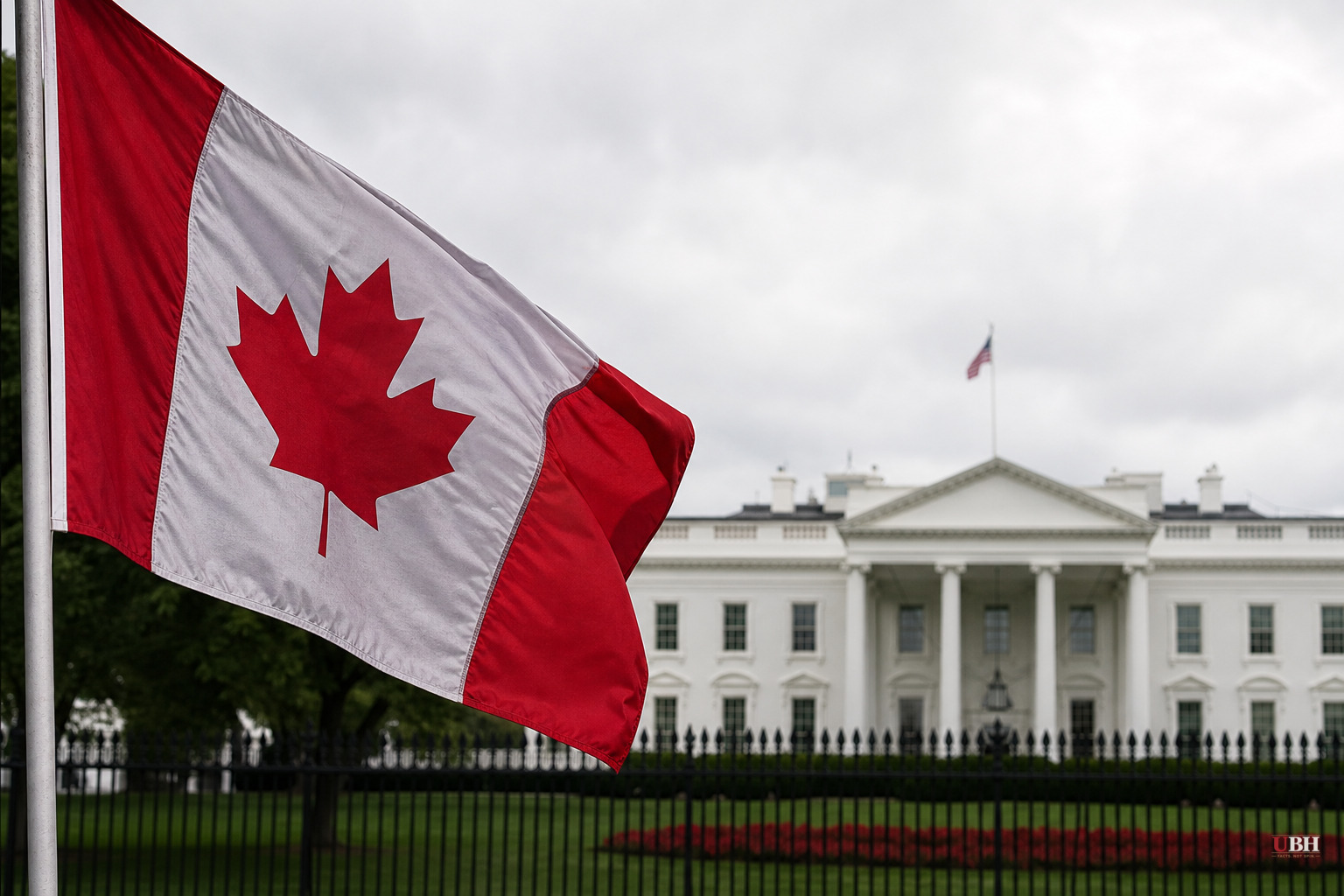
President Trump on July 20 imposed 50 percent tariffs on Canadian imports, this time reaching into a law that has sat untouched since the Great Depression.
The authority is Section 338 of the Smoot-Hawley Tariff Act of 1930. According to the Competitive Enterprise Institute, no president of either party has ever used it. It lets the executive impose tariffs when a foreign country is found to be discriminating against American commerce. Trump's team says Canada is doing exactly that, singling out American autos, alcohol, and dairy for unfair treatment.
Senate Finance Committee Ranking Member Ron Wyden put the dollar figure at nearly $20 billion in Canadian imports affected, hitting everything from clothes and school supplies to home goods and alcoholic beverages, according to a statement from the Senate Finance Committee.
Why Section 338, why now
This isn't Trump's first tariff swing at Canada, and it isn't his preferred legal tool either. According to CEI senior economist Ryan Young, courts have already struck down two of the tariff authorities the administration previously relied on. Section 338 is what's left on the shelf.
Young noted the administration is cycling through statutes as judges knock each one down, and that several other tariff authorities remain available to the White House if this one also gets challenged.
Trump has floated multiple justifications for pressuring Canada recently, including a weekend reference to Canadian wildfires. Young was blunt about that explanation: "probably not the true reason for the tariffs." He argued the real motive is more likely leverage in renegotiating the USMCA trade agreement with Canada and Mexico, though he said the administration's actual goals remain unclear.
The separation-of-powers problem
CEI policy analyst Steve Swedberg raised a structural concern that goes beyond this one dispute. If Section 338 becomes a routine tool, he warned, "it will make it easier for future presidents to impose new import taxes without further action from Congress."
The Constitution gives Congress, not the president, the power to set tariffs and regulate commerce with foreign nations. Presidents have leaned on delegated authorities for decades, but a dormant 1930 provision suddenly being resurrected as an all-purpose tariff weapon is a meaningfully new expansion of executive reach. Whether courts ultimately uphold this specific use of Section 338 is an open question, since it hasn't been tested in litigation the way Trump's other tariff moves have.
Swedberg's broader point: a provision left unused by presidents of both parties for nearly a century getting activated now, right after judicial setbacks elsewhere, looks like statute-shopping.
Wyden's response, and its limits
Wyden, an Oregon Democrat, didn't hold back. He said Trump "has abused every trade authority at his disposal" and called the move "yet another shakedown that will raise the cost-of-living for Americans, their families, and small businesses across the country." He announced plans to introduce legislation aimed at putting "Congress back in the driver's seat" on tariff authority.
Wyden's framing is politically charged, and "shakedown" is his characterization, not an established legal finding. No court has ruled on this specific action yet, and no charge of wrongdoing has been filed. But his underlying institutional argument, that Congress delegated tariff power to the executive under laws never meant to function as blank checks, aligns with the same separation-of-powers concern CEI's own analysts raised from a very different ideological starting point.
What happens to consumers
CEI's Swedberg said Americans would ultimately pay the price "through higher consumer prices, increased production costs for American businesses, and fewer job opportunities across the nation." That's a standard economic prediction about tariffs generally, not a Canada-specific finding, but it tracks with how tariffs function: importers pay the tax, and those costs typically get passed to consumers and businesses buying the affected goods.
The defense of the tariffs, that Canada does discriminate against specific American industries and that Section 338 exists precisely for this scenario, hasn't been fully litigated. The administration has not detailed the evidentiary basis for the discrimination finding in public statements referenced by these sources.
Wyden's promised legislation hasn't been introduced yet. Whether it gains traction in a Republican-controlled Senate, and whether Section 338 survives a legal challenge the way Trump's earlier tariff authorities didn't, are the two threads to watch next.
Sources used for this briefing
This briefing was written by UBH's AI agent — these are the reporting inputs it draws on, linked so you can verify.


