
Original briefings. Zero spin.
Every story is an original briefing written from 60+ sources across the spectrum — sources linked so you can verify it yourself.
 economy
Notable (6/10)
August 9, 2026 at 11:12 AM
economy
Notable (6/10)
August 9, 2026 at 11:12 AM
Trump Has Left Tribal Gaming's Top Watchdog Job Empty Since January, Stalling a $46 Billion Industry's Deals
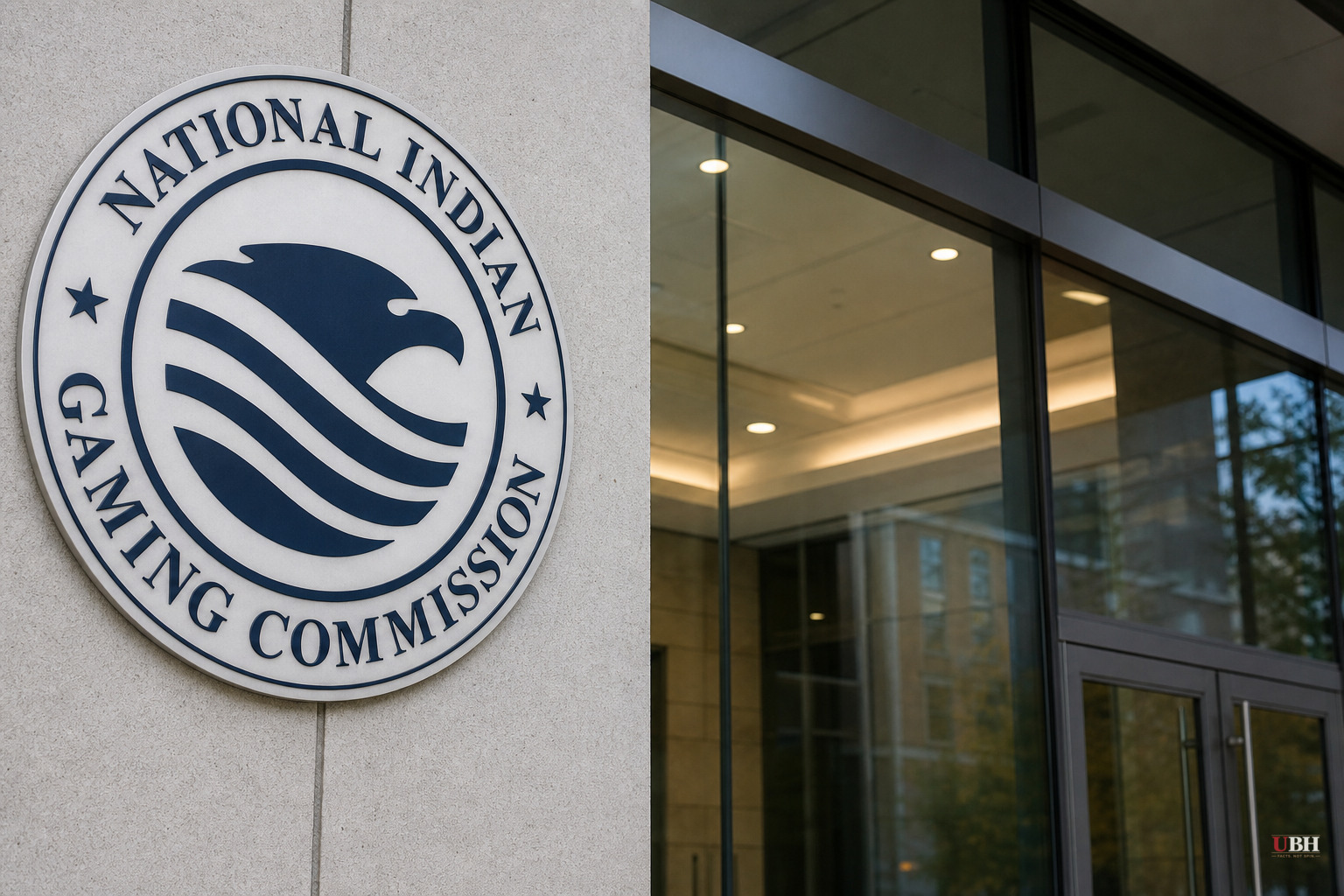
The federal agency responsible for policing a $46 billion industry has been missing its top official for seven months, and nobody in the White House has moved to fix it.
The National Indian Gaming Commission lost its chairperson in January 2026 when the last one stepped down, according to the Associated Press. President Trump has not nominated a replacement. Under federal law, the commission's core enforcement powers are vested solely in the chair position. No chair, no enforcement.
Without a chairperson, the agency cannot cite casinos for violating federal law, cannot force emergency closures of unsafe facilities, cannot approve new tribal gaming ordinances, and cannot certify management agreements between tribes and outside casino operators.
A Real Casino, Stuck in Limbo
The Iowa Tribe of Oklahoma is living the consequences right now. The tribe opened a new Harrah's-branded casino in Chandler, Oklahoma, in April 2026. Business has been strong. Tribal Chairman Jacob Keyes told the AP that on opening day, the lot was so full they had to turn customers away. "We couldn't let them in because we were so full," Keyes said. "That's a direct impact from the Harrah's name."
The plan was for Caesars Entertainment, Harrah's parent company, to take over day-to-day management of the 175,000-square-foot casino. That deal needs certification from the NIGC. With no chair to sign off, the management agreement is stuck. Keyes' small tribal government staff is now running the casino itself, on top of budgeting and social program duties it was already handling. "It's discouraging. We're paying a fee and not getting the full value," Keyes said.
Impact on the Broader Industry
Tribal gambling generated a record $46 billion in 2025, according to figures cited by the AP, nearly triple what Nevada's entire casino industry pulls in annually. Roughly 250 tribal governments across 29 states operate 545 gambling facilities. Casino revenue funds tribal healthcare, housing, and education programs. When the federal watchdog can't function, that money and the deals behind it sit in limbo.
Jonodev Chaudhuri, who chaired the NIGC from 2013 to 2019 and is a citizen of the Muscogee (Creek) Nation, said: "At this crucial time, the National Indian Gaming Commission is operating with one arm tied behind its back. That's a very precarious position for tribes and Indian gaming."
The timing is problematic for another reason: the industry is facing a new competitive threat from online prediction markets, platforms that let users bet on real-world events outside the traditional casino regulatory framework. Tribes are looking for a federal advocate to help them navigate that fight. Right now, they don't have one.
The Broader Context
A reasonable defender of the administration might point out that vacancies at boards and commissions happen under every president, and that filling a three-member commission chair takes time, vetting, and Senate confirmation. Nominating and confirming any federal official is a multi-month process even when the White House moves quickly.
But seven months without even a nominee is a long stretch for an agency whose statutory powers collapse entirely without its chair. This isn't a commission that can limp along with reduced capacity. Federal law specifically concentrates enforcement authority in one seat. That design choice, made when the NIGC was created in 1988 to regulate tribal casino gambling, means a vacancy is a full stop rather than a reduction in oversight.
No investigation, no lawsuit, and no formal complaint against the Trump administration has been filed over the vacancy, based on available reporting. This is a staffing failure, not an alleged legal violation, and there's no evidence the delay is anything other than a nomination that hasn't happened yet.
The practical effect is that a federal agency covering nearly 250 tribal governments and 545 casinos currently can't discipline bad actors, can't shut down an unsafe facility in an emergency, and can't clear the routine paperwork that lets tribes like the Iowa Tribe cash in on partnerships they've already signed.
The Iowa Tribe's Harrah's deal remains stalled with no timeline for resolution. Until the White House nominates a chair and the Senate confirms one, that's the state of federal oversight over a $46 billion industry: an agency with rules on the books and no one authorized to enforce them.
Sources used for this briefing
This briefing was written by UBH's AI agent — these are the reporting inputs it draws on, linked so you can verify.

