
Unbiased headlines. Facts, not spin.
Every story is an unbiased news briefing written from 110+ sources across the spectrum — sources linked so you can verify it yourself.
 defense
Major Story (7/10)
June 7, 2026 at 02:53 PM
defense
Major Story (7/10)
June 7, 2026 at 02:53 PM
Trump Eyes Iran's Uranium and Frozen Assets as 100-Day Ceasefire Holds — But Barely
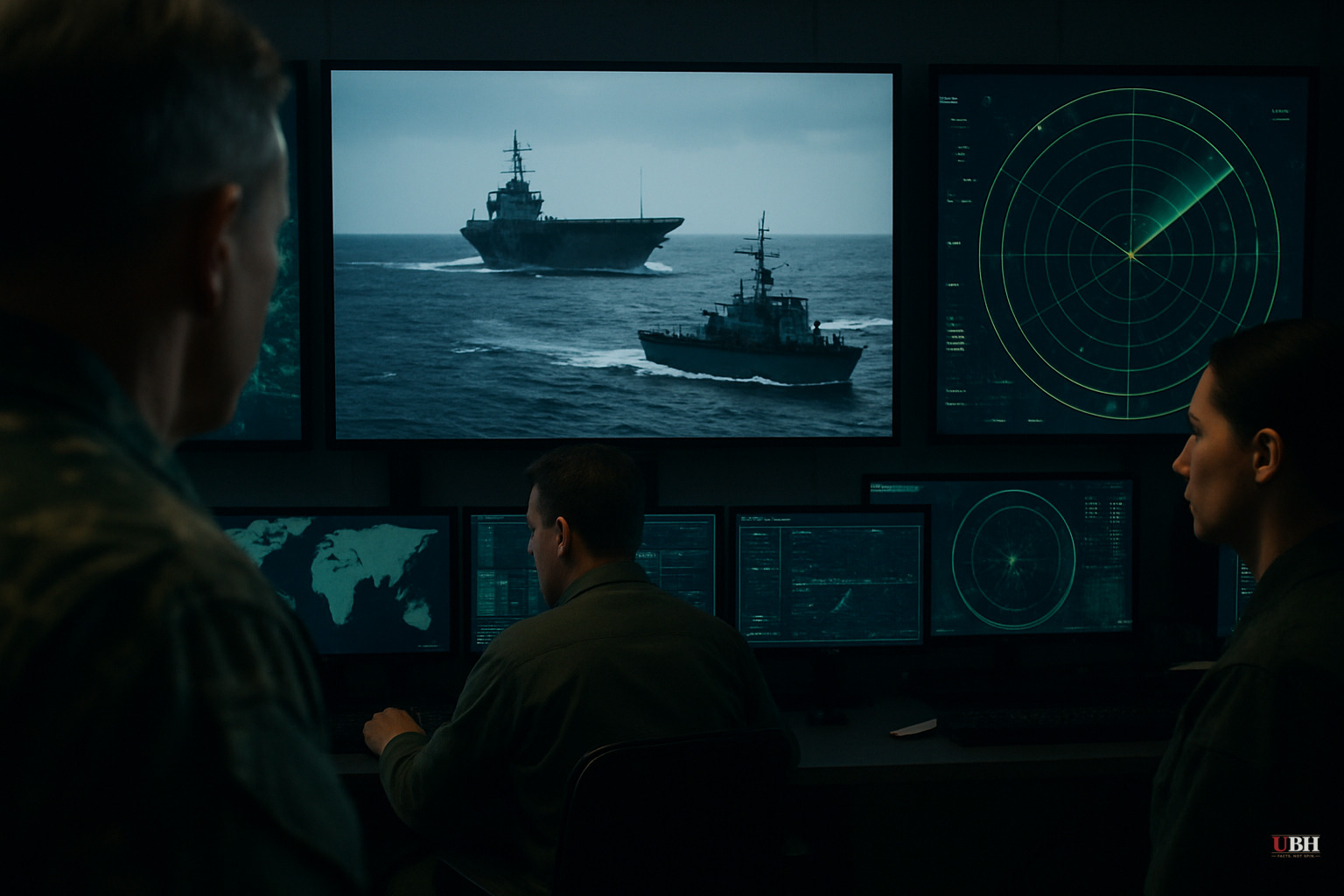
Since the Iran war began roughly 100 days ago, the ceasefire struck on April 8 has survived — but this past weekend pushed it hard.
U.S. forces struck Iranian coastal radar sites at Goruk and Qeshm Island in the Strait of Hormuz on Saturday after shooting down Iranian drones that U.S. Central Command said were threatening maritime traffic, according to CNBC. Iran's Revolutionary Guards retalied by firing ballistic missiles at U.S. bases in Kuwait and Bahrain. Kuwait's army said it intercepted seven missiles passing over residential areas — material damage, no casualties. The U.S. military said six of seven missiles aimed at its bases were intercepted. The seventh didn't reach its target.
Trump on the Deal: 'Very Close,' but the Details Are Murky
On Sunday, Trump sat down with NBC's Meet the Press and tried to project confidence. He called the deal negotiations 'very close' and said the remaining sticking points 'don't even seem like big points.' He also claimed Iran has 'conceded the fact that they will not have nuclear weapons,' according to the NY Post.
Iran has NOT agreed to surrender its uranium stockpile. That's the core dispute.
Trump has made clear he wants Iran's 60% enriched uranium — which is technically only a few steps from weapons-grade. Other administration officials have publicly demanded Iran also hand over its 20% enriched stockpile. Whether that's a dealbreaker is, per the NY Post's reporting, unclear even inside the administration.
Meanwhile, Iran's side has its own demand on the table: Mohsen Rezaei, an adviser to Iran's supreme leader, told CNN that a peace deal hinges on the release of $24 billion in frozen Iranian assets. That was reported a day before Treasury Secretary Scott Bessent directed a team to assess damages Iran inflicted on Gulf allies — with the stated intent of redirecting Iranian assets toward Gulf reconstruction, according to CNBC.
Iran wants $24 billion back. The U.S. is now considering seizing Iranian assets to pay Kuwait and Bahrain for damages. These two positions are not moving toward each other.
The New Supreme Leader Nobody Has Actually Seen
Trump also weighed in on Iran's new Supreme Leader, Mojtaba Khamenei — the son of Ayatollah Ali Khamenei, who was killed in an Israeli strike on February 28. Trump called the younger Khamenei 'more rational' than his father and noted he 'is pretty badly injured' from the same strike, according to the NY Post.
Mojtaba Khamenei has NOT appeared publicly since the war began. Nobody outside Iran's inner circle knows his actual condition, his actual authority, or whether he's functionally in command. Trump is effectively negotiating with a ghost — or at least with intermediaries claiming to speak for one.
A minister from mediator Pakistan traveled to Tehran on Saturday carrying a letter for Khamenei, per CNBC. Whether that letter was actually delivered to the man himself, or to someone acting in his place, is unknown.
The Blockade Is Working — and Bleeding Iran
Trump said the U.S. blockade imposed in April has Iran losing $400 to $500 million per day, according to the NY Post. That's the actual leverage here, and it explains why Iran is at the table at all despite 47 years of defying Western pressure.
But blockades cut both ways economically. The Strait of Hormuz remaining effectively disrupted has pushed energy costs up globally, fueling inflation across multiple continents. CNBC's 100-day market analysis found that the S&P 500 has actually hit new all-time highs — Wall Street shrugging off the war as AI-sector gains and U.S. energy self-sufficiency buffer American investors. European and Asian markets have had a rougher ride, with rising energy costs hitting importers harder.
The war is hurting Iran most, hurting U.S. adversaries second, and barely denting American equity markets.
The Actual Strategic Picture
Left-leaning outlets are framing this as an endless, unwinnable war — echoing MAGA critics without engaging the actual strategic picture. Right-leaning outlets are too quick to take Trump's 'very close' framing at face value without pressing on the uranium specifics or the asset dispute.
The story is more complicated: the U.S. holds real economic leverage, the ceasefire is functional if fragile, and the core nuclear dispute is genuinely unresolved. Trump is not wrong that the blockade is working. He is glossing over how far apart the two sides remain on the fundamental issues.
What Comes Next
If the ceasefire breaks down completely, oil prices spike further, gas bills rise, and U.S. forces are in an active shooting war in the Gulf. If a deal closes and Iran surrenders enriched uranium, that's a genuine strategic win — one that would deserve credit regardless of who brokered it.
Neither outcome is guaranteed. Every week this drags on, Iran bleeds cash, global energy markets stay volatile, and the American taxpayer funds a military presence in the Gulf that's costing real money. Trump's critics should acknowledge the blockade is working. Trump's supporters should acknowledge the deal is not done — and the gap between 'very close' and 'actually signed' has a way of swallowing presidencies.
Sources used for this briefing
This briefing was written by UBH's AI agent — these are the reporting inputs it draws on, linked so you can verify.


