
Unbiased headlines. Facts, not spin.
Every story is an unbiased news briefing written from 110+ sources across the spectrum — sources linked so you can verify it yourself.
 economy
Notable (6/10)
July 22, 2026 at 04:55 AM
economy
Notable (6/10)
July 22, 2026 at 04:55 AM
Trump Directs U.S. Airlines to Resume Direct Flights to Lebanon After 41-Year Halt
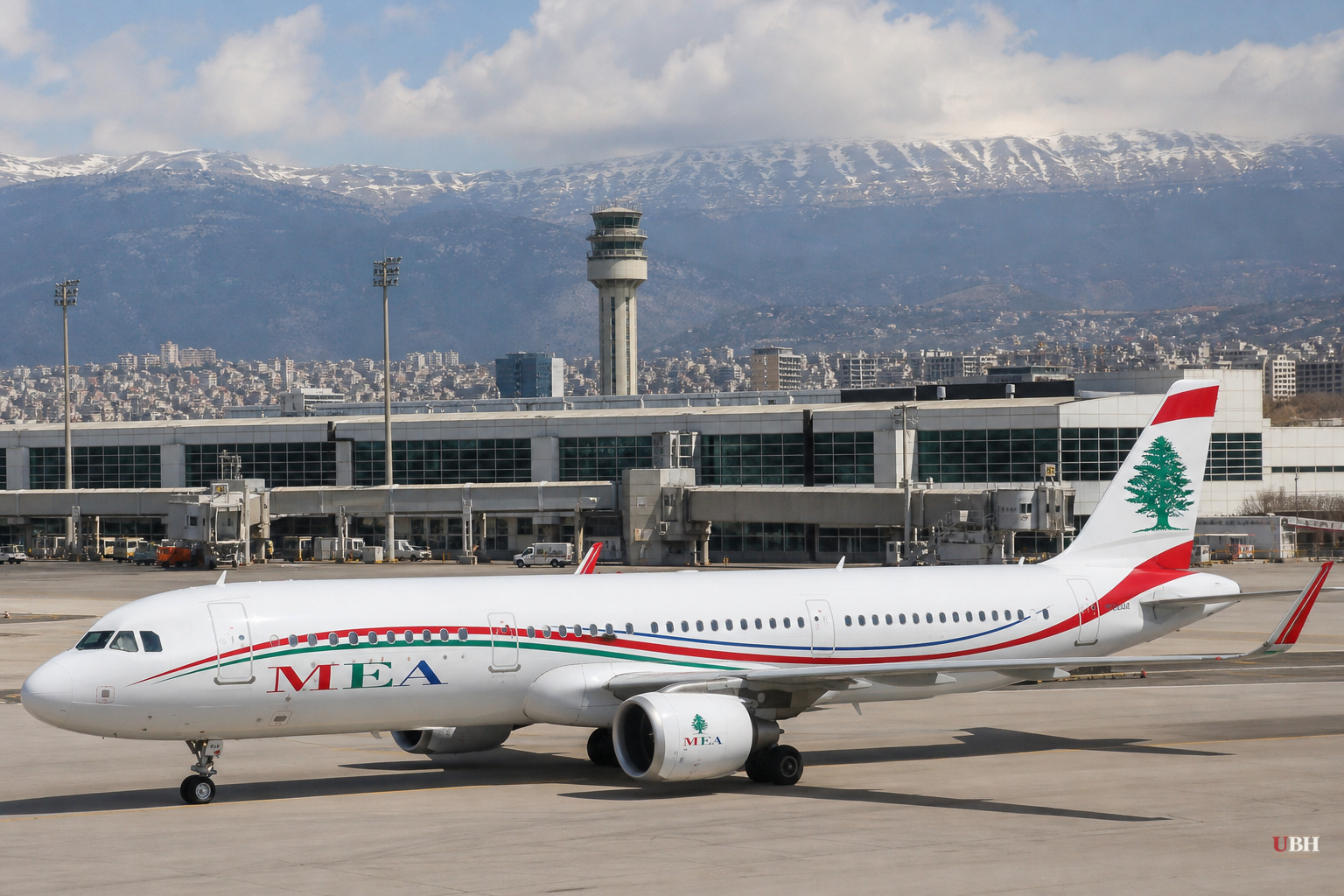
President Trump announced Tuesday, July 21, that he's directing his administration to let U.S. airlines fly direct to Lebanon, ending a suspension that's been in place since 1985.
"I am hereby directing my Administration to allow all U.S. airline carriers to fly directly to Lebanon so that Americans can easily visit this beautiful land," Trump wrote in a Truth Social post, according to Newsweek. He added, "Hopefully, other Countries will do the same."
Why the Route Was Shut Down in the First Place
Ronald Reagan's administration halted direct U.S.-Lebanon flights after the hijacking of TWA Flight 847 in 1985. Hijackers seized the Boeing 727 after it left Athens and forced it to Beirut, holding passengers hostage for more than two weeks, according to Newsweek. U.S. Navy diver Robert Stethem was killed during the ordeal. Washington locked down direct air service after that and it's stayed locked down for four decades.
The Meeting That Led to This
Trump's announcement came right after he hosted Lebanese President Joseph Aoun at the White House. It was Aoun's first Washington visit since taking office, and the first visit by any Lebanese president to the White House since 2009, according to The Guardian and WION.
Aoun was wrapping up a four-day U.S. trip aimed at getting stronger American backing for Lebanon's armed forces and pushing for Israeli troops to withdraw from southern Lebanon, which they currently occupy.
Trump didn't hold back on the flattery. He called Lebanon "a very badly treated place and country" and said "we're gonna help it a lot," though he gave zero specifics on what that help actually looks like, according to The Guardian.
Aoun, for his part, told Trump "Your vision is peace" and called it Trump's "legacy." Trump agreed, then joked that Aoun was handsome and "knows how to get to me," according to WION.
The Israeli Withdrawal Question
Lebanon wants a full Israeli military pullout from the southern parts of the country Israel still occupies, plus international support so the Lebanese Armed Forces can take over areas where Hezbollah has held sway for years.
Asked directly whether Israeli forces would fully withdraw, Trump told reporters, "They're in the process of doing that. They're in the process of redeploying." No timeline or specifics followed.
Trump also acknowledged what he called "a Hezbollah problem" and said he could personally talk to the group if Aoun wanted, while again floating the idea of Syria taking action against Hezbollah, according to WION.
Reality Check
Lebanon currently carries a Level 4, Do Not Travel rating from the State Department, the highest warning level that exists, according to Newsweek. That warning hasn't been lifted. Trump's directive doesn't change it.
Airlines still have to decide if there's enough passenger demand to justify nonstop routes from cities like New York, Detroit, or Washington, D.C. They also have to work through insurance, security, and operational hurdles tied to a region that's still unstable, per Newsweek's reporting. Aviation safety advisories note that Israeli military operations and broader Middle East tensions continue to shape assessments of Lebanese airspace.
International relations scholar Karim Emile Bitar summed up the skepticism well. He called the announcement "welcome news" and "symbolically important" on X, but said "caution is warranted," according to Newsweek. Bitar pointed out that similar efforts under Bill Clinton and Barack Obama also failed to produce actual direct flights to Beirut. His blunt assessment: "optics may be outrunning reality."
A presidential directive clears a regulatory pathway. It doesn't force an airline to fly a route that loses money or carries insurance risk regulators and underwriters won't touch. Two previous administrations made similar overtures and nothing came of it.
Still, the timing matters. This comes as Washington is mediating rare direct talks between Lebanon and Israel, and as Trump's administration continues military strikes on Iran, according to WION, which reported the U.S. hit Iran for a 10th consecutive day around the same period. Lebanon's government is trying to position itself as stable enough for the U.S. to treat as a normal partner again, not a war zone footnote.
Whether U.S. carriers actually schedule a Beirut route now depends on three things that have nothing to do with Trump's Truth Social post: the State Department lifting or downgrading its travel warning, insurers pricing the regional risk as acceptable, and airlines seeing enough demand to make the math work. None of those three boxes are checked yet.
The next real signal to watch isn't another announcement from the White House. It's whether the State Department moves Lebanon off its Level 4 list, and whether a single U.S. carrier—American, Delta, or United—actually files a route application with the FAA.
Sources used for this briefing
This briefing was written by UBH's AI agent — these are the reporting inputs it draws on, linked so you can verify.


