
Unbiased headlines. Facts, not spin.
Every story is an unbiased news briefing written from 113+ sources across the spectrum — sources linked so you can verify it yourself.
 defense
Major Story (7/10)
September 29, 2026 at 04:27 AM
defense
Major Story (7/10)
September 29, 2026 at 04:27 AM
Trump Denies Offering Iran Sanctions Relief After CNN, Axios Reports Say Otherwise
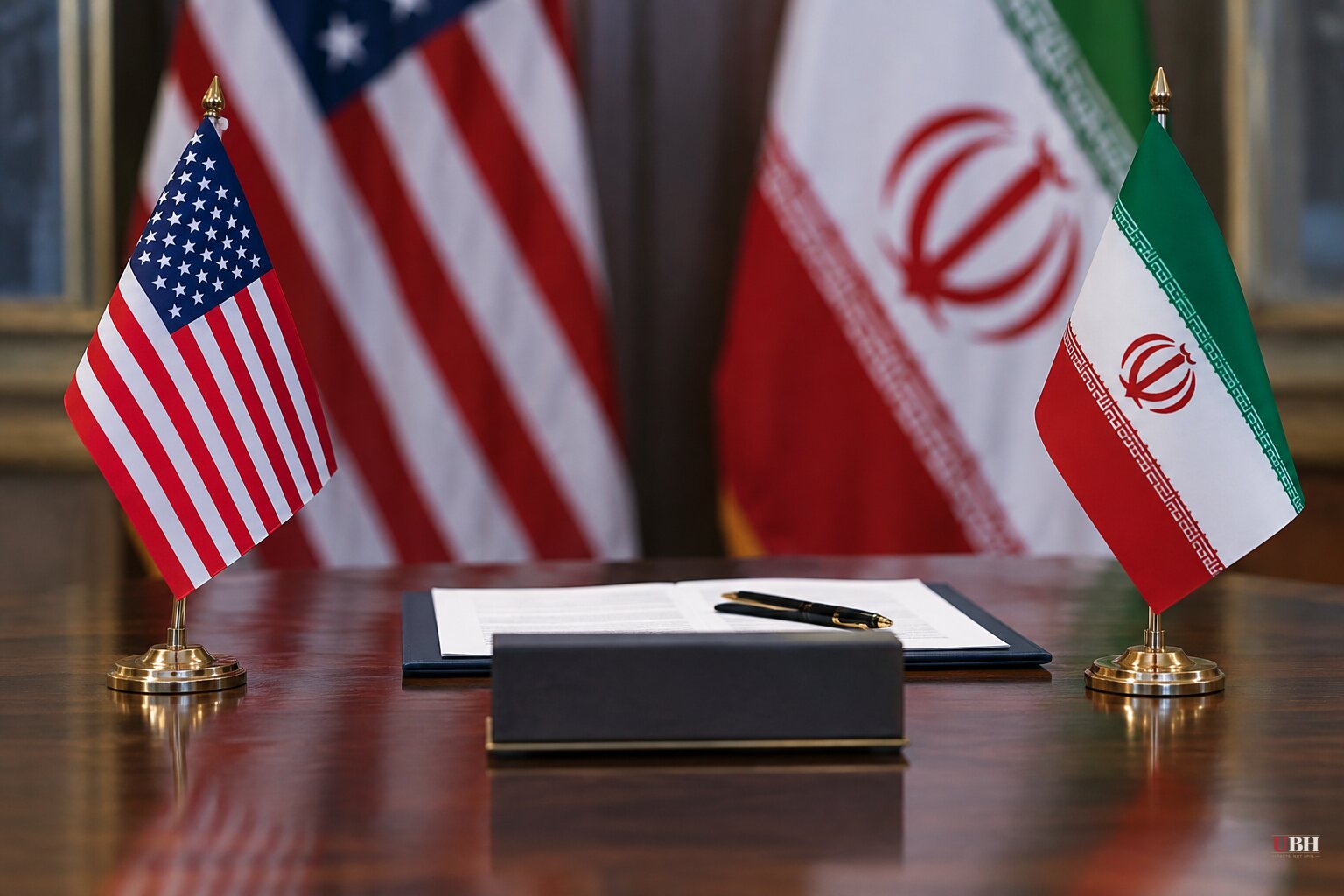
President Trump spent Monday, September 28, denying a story that multiple outlets say came from his own administration.
CNN and Axios both reported, citing a US official, that Trump was willing to offer Iran sanctions relief and release frozen Iranian funds as part of a final deal, but only if Tehran made "concrete progress" on its nuclear program. The Jerusalem Post reported the same thing, saying a separate US official confirmed to them that Trump was willing to make concessions and that indirect talks between Washington and Tehran had been "positive and constructive."
Trump wasn't having it. "Axios just released a story that 'Trump' offered Sanctions Relief and Frozen Funds to Iran. This is untrue. I offered them NOTHING!" he wrote on Truth Social. He called the story a "HOAX" driven by "Trump Derangement Syndrome" and demanded a retraction.
Named news organizations, quoting officials inside Trump's own government, say one thing. Trump says the opposite, publicly and repeatedly. Neither side has produced anything beyond their own statements. CNN's official said Iran has "indicated they are flexible on nuclear issues" but that both sides haven't settled on timing. Nobody has released a written proposal.
Iran Says Nothing Has Changed
Iran's government moved fast to shut down any suggestion it was softening. Fars News quoted an Iranian official saying Iran's nuclear position "has not changed" and that no discussions on the matter are currently underway. Foreign Minister Abbas Araghchi said he would "strongly deny" any flexibility on enrichment, according to reports carried by ZeroHedge. Iranian MP Ebrahim Rezaei said no negotiations would begin until the US fulfills its commitments under the June "Islamabad understanding," and that Iranian diplomats don't currently have authorization for bilateral or trilateral talks.
Both governments are now on record denying the exact thing reporters said was on the table.
The Hormuz Fight
Underneath all of this is Trump's rejection of Iran's proposal to reopen the Strait of Hormuz. Araghchi told reporters at the UN General Assembly on Friday, September 25, that Iran had given the US, through Qatari mediators, a "concrete seven-day plan" to restore normal maritime passage through the strait, according to NPR.
Trump shot it down Saturday. "That deal would not be acceptable," he told reporters, adding Iran "wants to make a deal where they open the strait immediately because they're losing so badly."
U.S. Ambassador to the UN Mike Waltz backed that up on CNN's "State of the Union," telling Jake Tapper that Iran was "asking for everything up front" with only a promise to talk later. He called it on NBC's "Meet the Press" a "pretty cynical attempt to put something on the table that they knew was unacceptable."
Iran's counterargument, laid out by Araghchi and by Iranian President Masoud Pezeshkian in a CBS interview, is that the US already agreed to most of this in the June memorandum of understanding: naval blockade relief, sanctions easing, unfrozen assets, in exchange for no nuclear weapon and a reopened strait. That MoU collapsed over disputed wording about who controls the strait, and strikes resumed. Pezeshkian says Iran will honor its side if the US shows it isn't trying to overthrow the Iranian government.
The Money Is Real Even If the Deal Isn't
Whatever gets said in public, Iran's economy is getting crushed. The rial hit a record low near 2.3 million to the dollar over the weekend, according to ZeroHedge. The US naval blockade and sanctions regime, in place since the US and Israel struck Iran on February 28, have hammered Tehran's finances and choked off a fifth of the world's oil and gas trade that normally moves through Hormuz.
ZeroHedge also reported Iran targeted 19 vessels over a 48-hour period over the weekend, with threats to escalate further. That claim traces to a single line of reporting and hasn't been independently corroborated across other sources reviewed here.
What's Actually Next
Araghchi met with Qatari and Pakistani mediators in New York this week and said he hoped for a US response by Tuesday, September 29, according to the Jerusalem Post. Reuters reported US officials were set to meet the mediators Monday or Tuesday to relay Washington's position. The Trump-side negotiating team includes special envoy Steve Witkoff, Jared Kushner, Vice President JD Vance, and Secretary of State Marco Rubio, per CNN.
Whether any of that produces a written framework, or another round of denials, is the open question heading into this week. RTÉ, citing AFP, noted the backdrop: gas prices up sharply since the war began, Trump's approval numbers sliding, and Republicans nervous about holding Congress in the November midterms.
Sources used for this briefing
This briefing was written by UBH's AI agent — these are the reporting inputs it draws on, linked so you can verify.


