
Unbiased headlines. Facts, not spin.
Every story is an unbiased news briefing written from 110+ sources across the spectrum — sources linked so you can verify it yourself.
 defense
Major Story (7/10)
June 3, 2026 at 11:05 AM
defense
Major Story (7/10)
June 3, 2026 at 11:05 AM
Trump Claims Iran Agreed to No Nuclear Weapons — Iran Says Talks Are Dead, Missiles Prove It
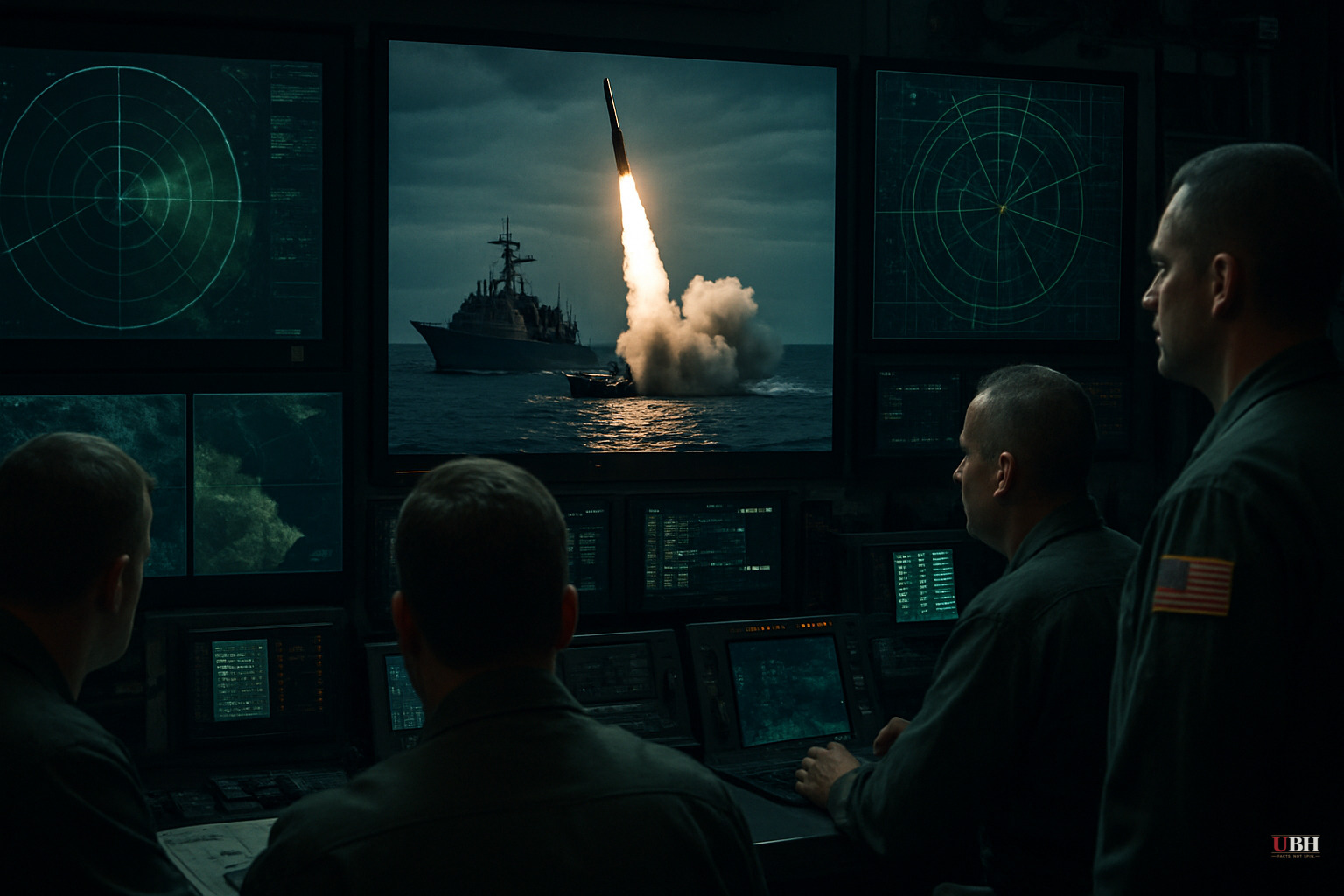
The Gap Is Now a Chasm
Since Iran struck Kuwait Airport and launched follow-on missile and drone salvos at airbases across Saudi Arabia, the UAE, and Bahrain earlier this week, the White House and Tehran have been telling two completely different stories about where this war stands.
President Trump told the New York Post's Pod Force One podcast — published Wednesday — that Iran has "already agreed" not to pursue nuclear weapons. "That was the big thing," he said. When pressed to confirm, Trump said: "Oh yeah, they've agreed to that. I mean, now they can change their mind."
Iran Says There Is Nothing to Change Their Mind About
Iran's Fars News Agency stated flatly that "exchange of messages between Iran and the US has been stopped for at least a few days" on any memorandum of understanding. Iran's statement contradicted Trump's claim directly. Secretary of State Marco Rubio told Congress talks are ongoing and that the nuclear file is part of the discussions. Either Rubio has information Fars doesn't, or someone in this chain is not telling the truth. Given that Iranian missiles were simultaneously targeting U.S. airbases in Kuwait while these assurances were being made, the evidence on the ground favors Tehran's version.
Trump also said he expects a broader Iran deal "over the next week." He has been saying versions of this for days. The missiles keep coming anyway.
Treasury Hits Iran's Crypto Lifeline
While the diplomatic track sputters, the economic war is accelerating. The U.S. Treasury sanctioned Nobitex — Iran's largest cryptocurrency exchange — along with several smaller platforms, according to ZeroHedge citing Reuters and Treasury statements.
Treasury Secretary Scott Bessent stated that Nobitex "played a role in protecting and moving assets and funds out of Iran to shield regime wealth despite internet blackouts" after U.S. combat operations commenced. The exchange is controlled by two brothers from the Kharrazi family — described by Reuters as one of Iran's most powerful dynasties, with close ties to the new supreme leader. The brothers were listed under a rarely used surname when the exchange launched, which Treasury called a deliberate concealment. Nobitex denied it.
Bessent named three individuals for individual sanctions: Seyed Mohammad Ali Aghamir Mohammad Ali, Seyed Mohammad Aghamir Mohammad Ali, and CEO Amir Hossein Rad.
The pattern continues: Iran finds a financial workaround. Washington moves against it. The cycle repeats.
Oman Is Being Squeezed From Both Sides
Oman, a country that has been a U.S. ally and quiet back-channel for decades, is caught between Washington and Tehran.
According to the Wall Street Journal, a new U.S. intelligence assessment concluded that Oman was planning to join Iran in tolling vessels in the Strait of Hormuz. Oman has repeatedly denied this. The Trump administration responded by threatening sanctions and military action against the sultanate, according to ZeroHedge citing WSJ.
Trump said at a cabinet meeting last week: "Oman will behave just like everybody else, or we'll have to blow them up."
Oman's Information Minister Abdulla al-Harrasi has said the Sultanate remains "ready to work with the United States and all responsible partners to promote stability." Oman also allowed U.S. military logistical supplies through its territory at the start of the war, per Arab and U.S. officials cited by WSJ — though one U.S. official described that assistance as "small."
According to OilPrice.com, India has been quietly deepening its energy and infrastructure ties with Oman as the Hormuz crisis intensifies — a hedge that protects both countries' interests. India gains alternative routing options; Oman gains economic leverage.
Markets Are Pricing In a Long War
WTI crude was trading around $96.24 per barrel and Brent at $98.47, per OilPrice.com price tickers — each up roughly 2.5% on the day. Heating oil is up over 4%. These are not ceasefire prices.
Bloomberg reported gold slipped amid uncertainty over negotiations — a sign markets are not in full panic mode but are not buying the "deal is imminent" narrative either. Copper dropped from a three-week high as the exchange of fire continued, according to Bloomberg.
Bloomberg energy analyst Cyril Wakhshouri has argued that a prolonged Iran war will tighten global oil supply significantly. OilPrice.com notes that demand destruction — caused by a slowing global economy — may only provide temporary relief on prices. If the Strait of Hormuz remains contested, that ceiling may not hold.
Bahrain, which absorbed Iranian missile fire this week, went ahead and tapped the dollar bond market anyway, per Bloomberg. That decision reflects either extreme confidence or extreme necessity — or both.
The Competing Narratives
Most coverage oscillates between "deal is close" — driven by Trump statements — and "war is escalating" — driven by the missile count. The two narratives are not being reconciled.
Trump may have a verbal commitment from an Iranian interlocutor that carries little weight if hardliners in Tehran have already ended formal talks. A verbal agreement to not pursue nuclear weapons — with Trump's explicit caveat that "they can change their mind" — functions as a talking point rather than a binding commitment.
The pressure campaign against Oman receives minimal attention. Washington is threatening military action against a neutral party that provided logistical support at the start of this war. That move carries long-term diplomatic costs.
Where It Stands
Trump says Iran agreed to something. Iran says there's nothing to agree to — talks are paused. Missiles are flying. Oil is near $100. The Treasury is sanctioning crypto exchanges. The U.S. is threatening to bomb a longtime ally over a toll scheme.
If this is what winning looks like, the price tag — in dollars and credibility — is still climbing.
Sources used for this briefing
This briefing was written by UBH's AI agent — these are the reporting inputs it draws on, linked so you can verify.


