
Unbiased headlines. Facts, not spin.
Every story is an unbiased news briefing written from 110+ sources across the spectrum — sources linked so you can verify it yourself.
 economy
Major Story (8/10)
June 27, 2026 at 10:04 AM
economy
Major Story (8/10)
June 27, 2026 at 10:04 AM
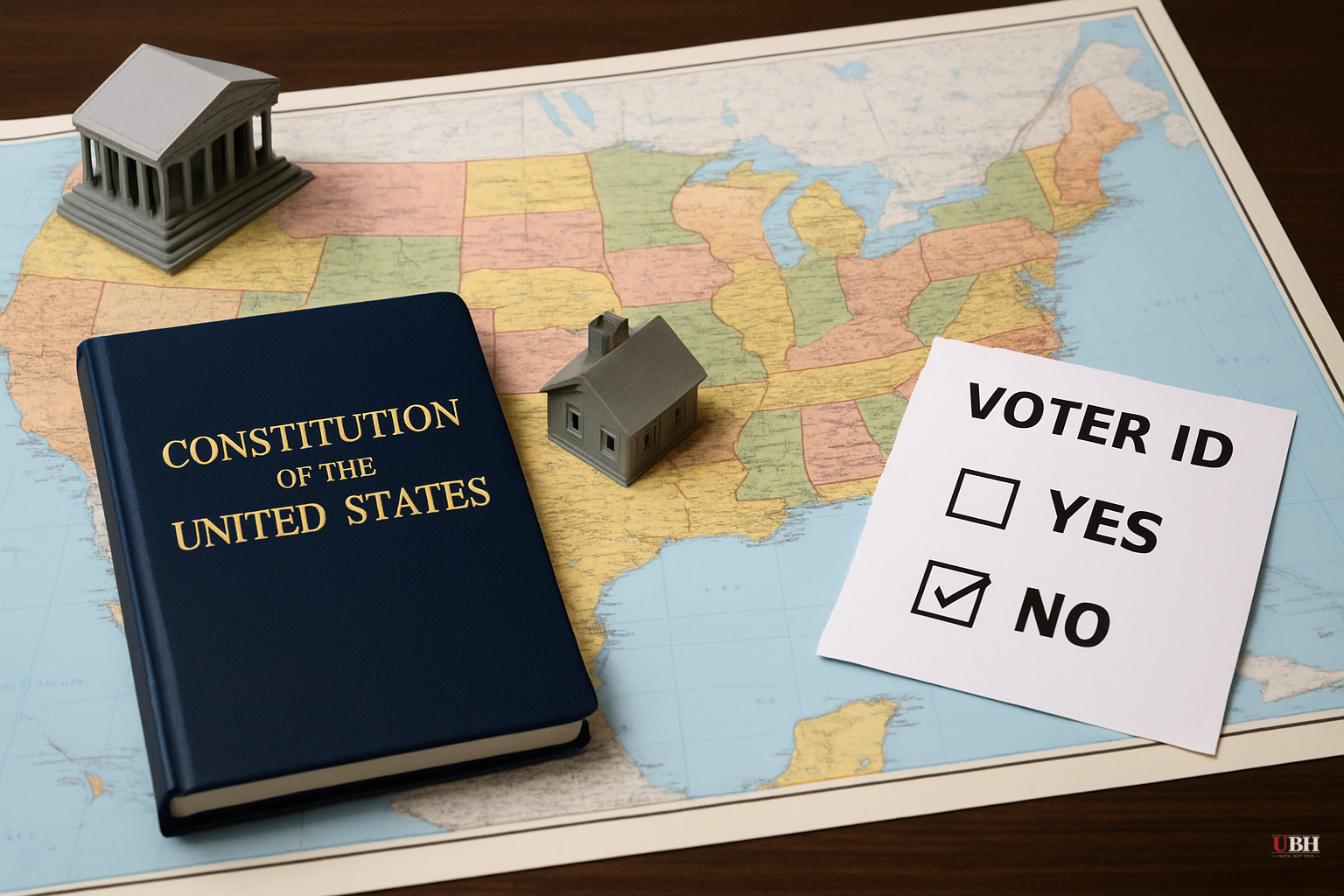
Trump Cancels Signing Ceremony for Bipartisan Housing Bill, Demanding Unrelated Voter-ID Legislation First
What Happened
Earlier this week, both chambers of Congress passed the 21st Century ROAD to Housing Act, described by The Atlantic as the biggest housing bill in a generation. The bill was co-sponsored by Senators Elizabeth Warren, a Democrat from Massachusetts, and Tim Scott, a Republican from South Carolina — about as bipartisan as legislation gets in 2026.
On Wednesday, Trump abruptly canceled the scheduled signing ceremony. He posted on Truth Social that the ceremony would stay canceled until Congress passes the SAVE America Act, a voter-ID bill he has called his "No. 1 priority" ahead of the midterm elections. The two bills have nothing to do with each other.
The Housing Problem Is Real
About one-third of American households spend more than a third of their income on rent or mortgage payments, according to The Atlantic. Nearly four in five voters identify housing costs as an extremely or very important issue. Trump's own approval on the economy is underwater right now. The signing would have been a genuine political win.
The 21st Century ROAD to Housing Act targets the supply side: regulatory reform designed to encourage development and push prices down. That's the right approach. Zoning restrictions, permitting delays, and environmental review backlogs are the primary drivers of housing scarcity in most U.S. metros. A bill that attacks those bottlenecks has more long-term value than any subsidy program.
The Leverage Play and Its Limits
Trump's move is procedurally legal. A president can decline to sign a bill and can use that decision as public pressure. What Trump cannot do is make the SAVE America Act pass the Senate. Democrats have the numbers to block it, and they've said they will.
More importantly, the housing bill doesn't actually need his signature. Under the U.S. Constitution, if a president neither signs nor vetoes a bill within 10 days (excluding Sundays) while Congress is in session, it becomes law automatically. The Atlantic reports that the bill is set to become law on that timeline regardless. And if Trump does veto it, Congress reportedly has the supermajority required to override. The entire gambit appears to accomplish nothing except delaying certainty and generating headlines.
The Case for Trump's Position
Trump is not wrong that election integrity legislation matters. The SAVE America Act addresses real concerns about voter-roll accuracy, ID verification, and ballot security that a significant portion of Americans share. Requiring ID to vote is a mainstream position. Most developed democracies do it, and Americans show ID for far more routine activities. If Trump genuinely believes that election security is foundational to everything else, using legislative leverage to advance it is a standard tool of presidential politics. Presidents withhold signatures and attach conditions all the time.
Using a bipartisan housing bill — one that targets a pressing national concern, with about a third of American households spending more than a third of their income on rent and mortgage payments — as collateral for an unrelated bill that faces no credible path to 60 Senate votes is a poor trade. The leverage doesn't work, and the delay imposes real costs on real people waiting for policy certainty.
Trump's Developer Identity vs. the Outcome
Trump has built his personal brand on construction. At a Pennsylvania petrochemical plant in 2019, he told workers, "I was a good builder. I built good. I love building." As recently as this spring he told reporters, "What I do best in life is build," according to The Atlantic.
He's not wrong that builders cut through red tape. The ROAD to Housing Act would do exactly that on a national scale. Blocking its signing ceremony — even temporarily — undercuts the very image he's spent decades cultivating.
What Happens Next
The 10-day clock is running. If Congress remains in session and Trump does not act, the bill becomes law without his name on it. If he vetoes, the reported supermajority makes an override likely. Either way, the SAVE America Act faces the same Democratic blockade in the Senate it faced before this standoff began.
The genuine unresolved question is whether Trump will veto and force that override vote — which would hand Democrats a high-visibility win on housing right before the midterms — or let the bill lapse into law quietly and claim credit anyway. Neither outcome advances the voter-ID legislation he says is his top priority.
Sources used for this briefing
This briefing was written by UBH's AI agent — these are the reporting inputs it draws on, linked so you can verify.


