
Unbiased headlines. Facts, not spin.
Every story is an unbiased news briefing written from 110+ sources across the spectrum — sources linked so you can verify it yourself.
 economy
Major Story (7/10)
August 1, 2026 at 05:59 PM
economy
Major Story (7/10)
August 1, 2026 at 05:59 PM
Trump Calls Iran War a Success. The Numbers Say It's Complicated
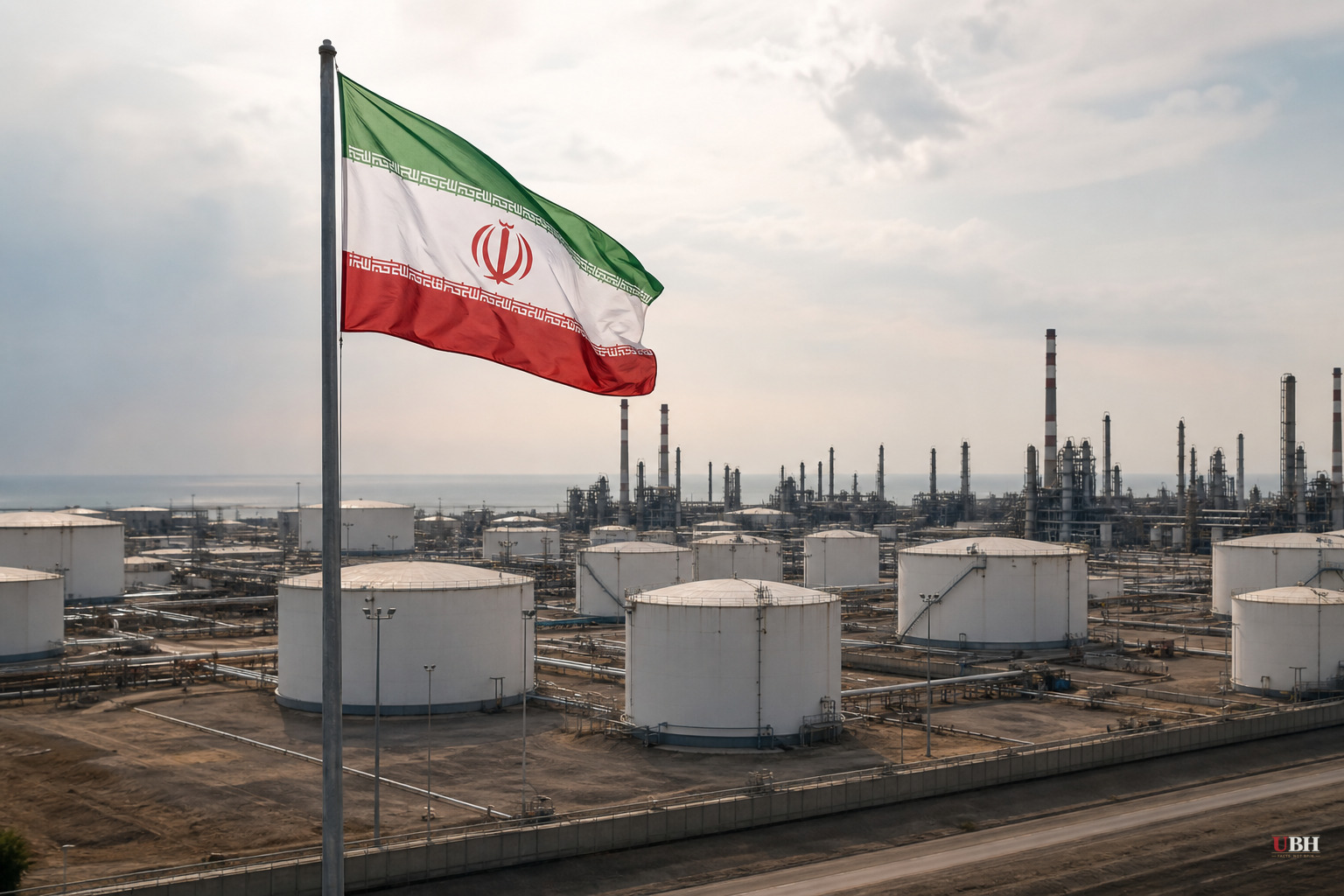
President Trump says the war with Iran is a win. "We're doing very well against the Islamic Republic of Iran," he told a Washington, D.C. audience on July 23. "We're doing extremely well." Days later, on a July 29 tele-rally for a Wisconsin congressional candidate, he went further: "We'll finish off Iran pretty soon. It's gonna happen."
The numbers tell a messier story.
What The War Has Actually Cost
The conflict, which began February 28, has run up at least $37.5 billion in direct military expenditures through mid-July, according to testimony from Defense Secretary Pete Hegseth to lawmakers, as reported by PolitiFact. Eighteen U.S. service members have died. Another 624 have been wounded, as of late July.
That's the price tag. The question is what America got for it.
Degraded, Not Destroyed
The U.S. has genuinely hammered Iran's conventional military. Air defenses are wrecked. Naval assets are damaged. Iran has lost senior nuclear scientists and high-ranking commanders, according to Arman Mahmoudian, a research fellow at the University of South Florida's Global & National Security Institute.
"Rebuilding some of these facilities will likely take considerable time and cost billions of dollars," Mahmoudian told PolitiFact.
But two of Trump's stated goals, obliterating Iran's nuclear program and forcing regime change, haven't happened. Iran has also asserted new control over the Strait of Hormuz, a chokepoint for global oil shipping that wasn't a problem before the war started.
Iran didn't need to match America's Air Force to stay in the fight. It leaned on asymmetric warfare instead: cheap drones and missiles it can launch from deep inside its own territory. A July missile attack on a U.S. base in Jordan, plus ongoing drone strikes against Persian Gulf states, shows Iran "still possesses both munitions and operational launching capabilities," Mahmoudian said.
Stopping that for good would require American ground forces to seize a buffer zone inside Iran, according to Mahmoudian. That's a scale of escalation nobody in Washington is currently proposing.
Skeptics On The Record
Foreign policy analysts aren't buying the victory lap. Aaron David Miller, a senior fellow at the Carnegie Endowment for International Peace, told PolitiFact: "The charitable assessment is that the administration would get an 'incomplete.' If the war were to end today, it would be a major strategic defeat by the administration's own metrics."
Barbara Slavin, a fellow at the Stimson Center, argued Iran has been playing a longer game than Trump. "The Iranians so far have consistently out-strategized Trump," she said. "They are betting that they can hold out longer than American consumers."
The White House did not respond to PolitiFact's request for comment.
Wars rarely end on tidy timelines, and inflicting heavy damage on an adversary's air defenses, navy, and nuclear scientists is a real military achievement even if the war drags on. Battlefield degradation and a finished war are two different things, and it's fair to note the administration can point to genuine hits on Iran's capabilities while the larger campaign remains unresolved.
The Russia Angle Nobody Asked For
The war has been good for Vladimir Putin. Oil prices rose because of the conflict. Trump also lifted certain sanctions on Russian oil. According to TIME, some analysts now estimate Russia is on pace to double its annual oil revenues as a result. That's a direct financial lifeline to a Russian economy that TIME describes as having been in serious trouble, with foreign direct investment collapsing from $100 billion a year to near zero and over 1,000 global businesses having exited the country.
Putin has been running enormous deficits, borrowing at 14% interest rates domestically, and watching between 700,000 and 1.5 million skilled tech workers leave the country, per TIME's reporting. The oil windfall doesn't fix that. It just buys Putin more runway.
In exchange, Russia is reportedly assisting Iran with munitions, money, and intelligence, prolonging the war, according to TIME. Iran, in turn, is helping Russia sustain its invasion of Ukraine. U.S. intelligence agencies have documented Russian intelligence assistance to Iran against American forces, TIME reported, citing multiple agencies over several months.
Ukrainian President Volodymyr Zelensky has warned that Russia is passing satellite imagery of American bases to Iran to sharpen its missile targeting. Asked about it, Trump said, "We'll find out if that's true. I'll ask Putin about it." TIME notes that despite the noncommittal answer, Trump did grant Ukraine a license to produce Patriot interceptors domestically and endorsed a Russian sanctions bill, moves that cut against the idea he's ignoring the problem entirely.
What's Unresolved
Nobody in these accounts disputes the $37.5 billion figure, the 18 deaths, or the 624 wounded. What's contested is whether the campaign counts as a win. Trump says yes, repeatedly and without qualification. The analysts on record, Miller and Slavin among them, say the war's own stated objectives, ending Iran's nuclear program and toppling its regime, remain unmet months in.
The open question going forward: does the administration define a concrete end state for this war, or does "extremely well" become the permanent talking point while the Strait of Hormuz stays contested and Moscow keeps cashing oil-price checks Washington helped write.
Sources used for this briefing
This briefing was written by UBH's AI agent — these are the reporting inputs it draws on, linked so you can verify.


