
Unbiased headlines. Facts, not spin.
Every story is an unbiased news briefing written from 110+ sources across the spectrum — sources linked so you can verify it yourself.
 defense
Major Story (8/10)
August 4, 2026 at 04:17 AM
defense
Major Story (8/10)
August 4, 2026 at 04:17 AM
Trump Calls Iran Deal 'Last Chance' as Tehran Denies Any Talks Are Happening
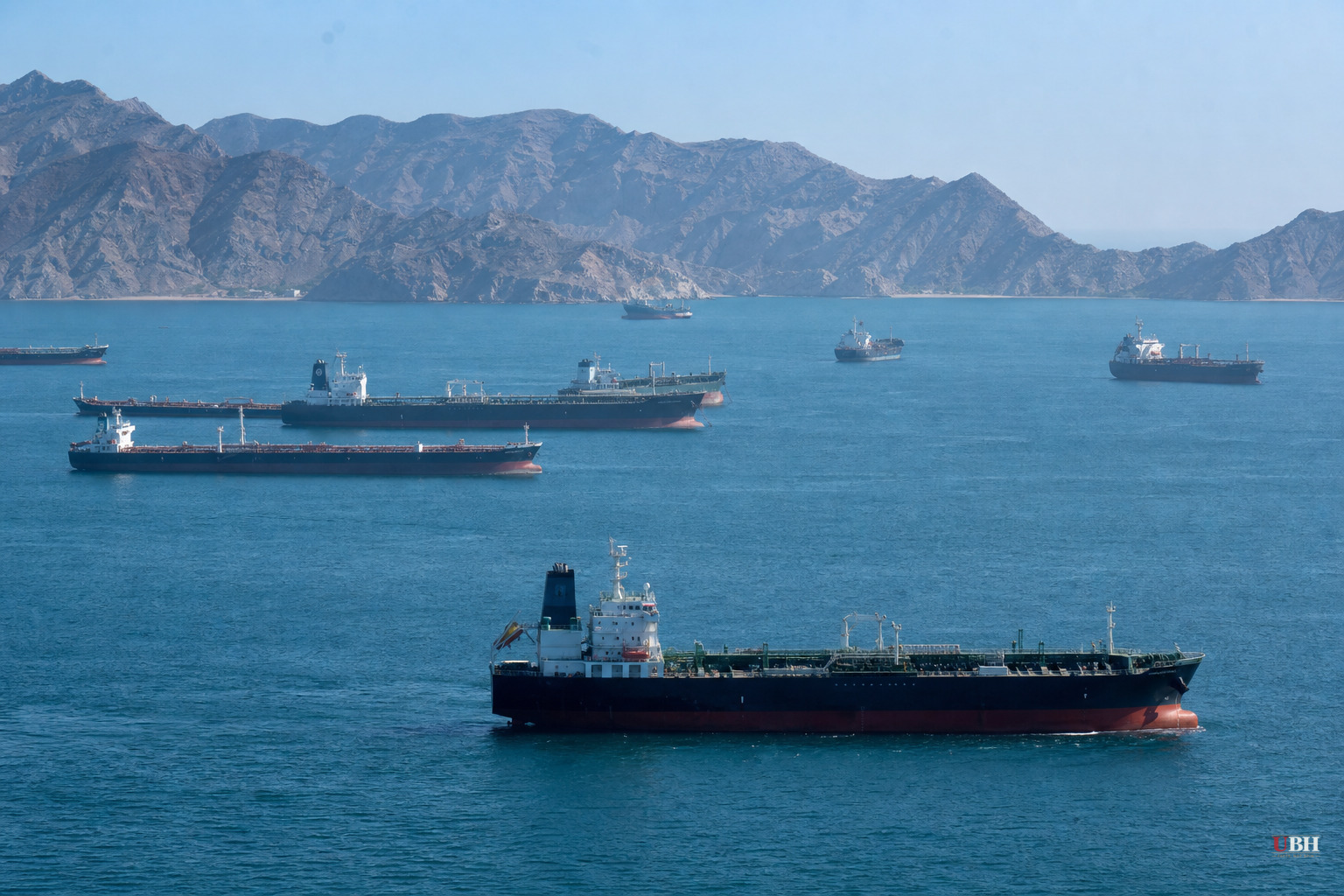
President Trump told reporters in the Oval Office on Monday that Iran is facing its "last chance" to sign a deal ending the five-month war and reopening the Strait of Hormuz, according to the South China Morning Post. "This is a last chance for them to sign a good document," Trump said. "I want to give them every last chance before decapitation."
Trump also claimed negotiations with Tehran are "going on right now." Iran says that's not true. Tehran has insisted no direct talks are underway or even planned, per the same SCMP report.
That's a direct contradiction between the U.S. president and the Iranian government on a basic factual question: are the two sides talking or not. No third-party confirmation of active negotiations appears in the available reporting. Reuters coverage carried by Global Banking & Finance Review notes only that Trump made the claim and that Iran denied it, without independent verification either way.
The Strait of Hormuz is the chokepoint for a huge share of the world's oil shipments. A five-month war disrupting it has already rattled energy markets, and Trump's "decapitation" line raises the stakes rhetorically even as he frames it as a last offramp for a deal. Whether that's a genuine diplomatic opening or pressure-tactic bluster is impossible to verify without Iranian officials or a neutral broker confirming contact has been made.
Markets Are Already Pricing in the Uncertainty
While the war and the talks-or-no-talks dispute play out, currency markets are dealing with their own aftershocks. The yen was holding onto most of its gains Tuesday after Tokyo and Washington carried out a rare joint intervention last Friday to prop up the currency, according to Reuters reporting via Global Banking & Finance Review.
The yen slipped slightly in early Asian trade Tuesday, down 0.1% at 157.35 per dollar, after touching a three-month high of 155.20 the previous session. It had surged as much as 5% over three trading sessions following the intervention, though it remains well above its 40-year low against the dollar.
Tomo Kinoshita, global market strategist for Japan at Invesco, said he expects "concerns about the possibility of further intervention by Japanese and U.S. authorities" to keep a lid on renewed yen weakness in the near term. He also said he believes the yen will likely strengthen against the dollar by year's end, noting that markets have largely already priced in Prime Minister Sanae Takaichi's stimulus agenda, which had been a drag on the currency.
The scale of Monday's trading was extraordinary. Citi analysts told Reuters that dollar-yen trading volumes hit roughly $27 billion in the early morning window Monday, compared with a recent average of $1.9 billion. That's more than 14 times normal volume, and it fueled speculation that Japanese authorities intervened a second time, though officials have offered no confirmation of that.
The dollar, meanwhile, is nursing broader losses. It slid after the yen intervention and amid falling oil prices, then bounced off a 1-1/2-month low to 99.98 on the dollar index. The euro sat at $1.1511 after hitting a 1-1/2-month peak of $1.1559, and sterling slipped 0.06% to $1.3427.
Part of the dollar's weakness traces to the Federal Reserve, which held interest rates steady last week. Investors had already been selling the dollar on that decision, according to Reuters, and the yen intervention accelerated the slide.
What's Actually Unresolved
Two separate threads are tangled here and shouldn't be conflated. One is a geopolitical standoff where Trump says talks are happening and Iran says they aren't, with no independent source in current reporting settling which side is right. The other is a currency market story where the facts are much clearer. Japan and the U.S. intervened Friday, the yen jumped, and traders are now waiting to see if authorities will step in again.
No new U.S.-Iran negotiating session, document signing, or ceasefire announcement has been reported as of Tuesday. Whether Trump's "last chance" framing produces an actual deal, or whether it's rhetoric aimed at pressuring Tehran while war continues to disrupt Hormuz shipping and rattle oil and currency markets, remains an open question with no confirmed answer from either government's own statements beyond the flat denial from Iran.
Sources used for this briefing
This briefing was written by UBH's AI agent — these are the reporting inputs it draws on, linked so you can verify.


