
Original briefings. Zero spin.
Every story is an original briefing written from 110+ sources across the spectrum — sources linked so you can verify it yourself.
 economy
Major Story (7/10)
September 6, 2026 at 03:09 PM
economy
Major Story (7/10)
September 6, 2026 at 03:09 PM
Trump Calls Canadian Dollar 'Imbalance' Unacceptable, Two Days Before Ottawa's Retaliatory Tariffs Hit
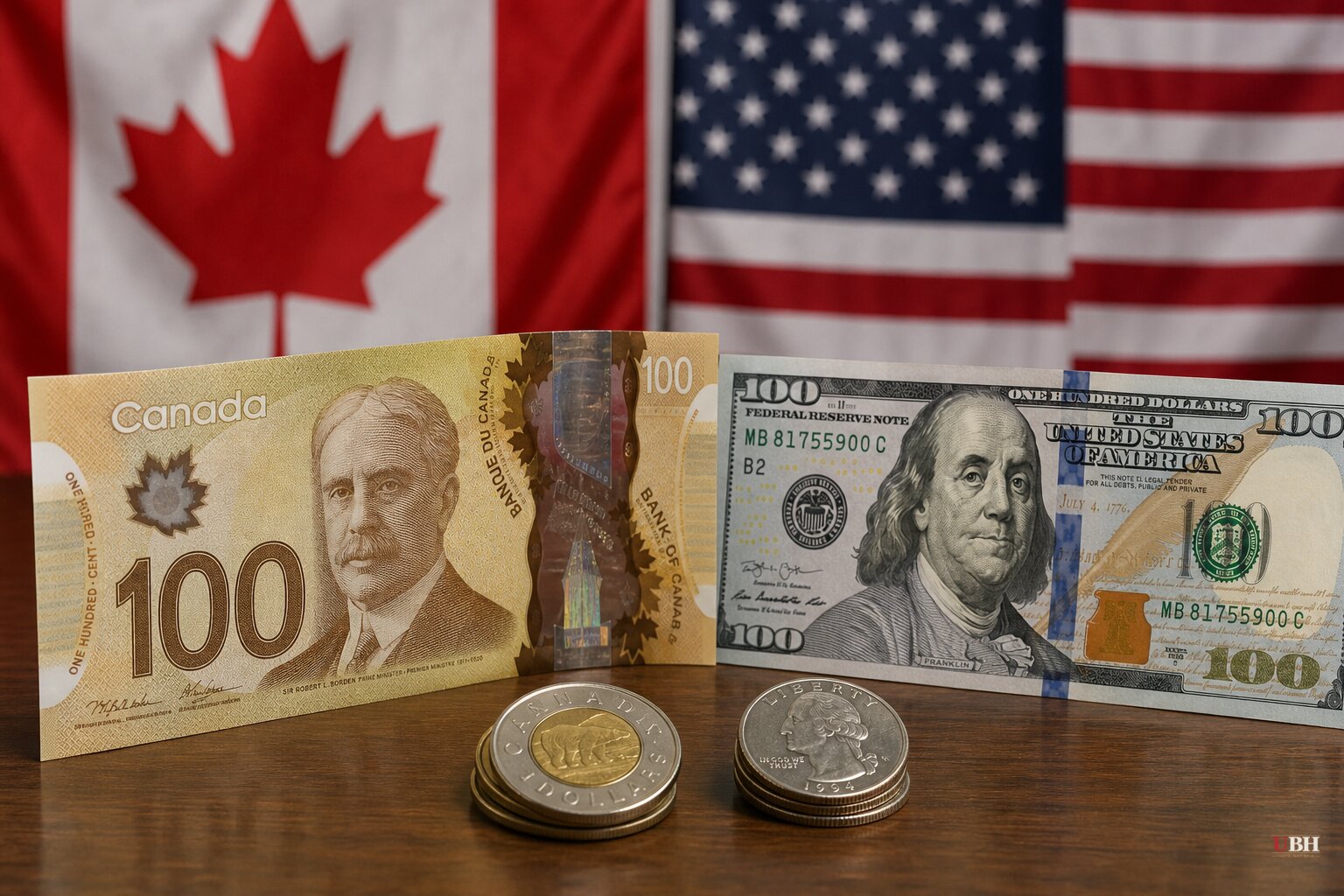
Since trade talks between Washington and Ottawa collapsed on August 21-22 and the US slapped 50% tariffs on roughly $20 billion of Canadian goods on August 22, the fight has kept escalating. On Sunday, September 6, President Trump added a new front: currency exchange rates.
"Canada's (currency) Dollar imbalance with the U.S. is unacceptable," Trump wrote on Truth Social, according to Bloomberg. "It has been that way for years - but no longer!"
The White House issued no further details when asked what Trump meant or what action, if any, he plans to take, according to reporting from Anadolu Agency and TRT World.
What the numbers actually show
The US dollar currently trades around 1.38 Canadian dollars, meaning one loonie buys roughly 72 US cents, according to Anadolu Agency. That's not a new development. The long-term average over the past 15 years sits near 1.24 Canadian dollars per US dollar, and since 2015 the pair has mostly ranged between 1.20 and 1.45, per the same Anadolu and TRT World reporting. The Canadian dollar only matched or beat the US dollar during part of the 2007-2012 commodity boom.
A weaker Canadian dollar makes Canadian exports cheaper for American buyers and US goods pricier for Canadians. That's a function of currency markets, not a Canadian government policy lever Carney can flip. Canada runs a floating exchange rate. Nobody in these reports, including Trump himself, has explained how this is something Ottawa is doing to Washington rather than something markets are doing on their own.
This is also a different complaint than the trade deficit fight that's driven the tariff war. Crypto Briefing reported the US Census Bureau pegged the 2025 bilateral goods deficit at $48.3 billion, a number that's held fairly steady for a decade. Trump, in various public statements, has cited figures ranging from $60 billion to as high as $250 billion. Those numbers don't reconcile with the Census data, and none of the sources reviewed here show the administration explaining where the higher figures come from.
The tariff war grinds on regardless
The currency remark is landing at a tense moment. Canadian Prime Minister Mark Carney suspended negotiations in late August, accusing Washington of making "unfair" last-minute changes to a near-final deal, according to Fox News. US Trade Representative Jamieson Greer countered on "Fox & Friends Weekend" that Canada "walked away from the best deal" it could have gotten, and said no new talks are currently scheduled.
Carney has vowed to match US tariffs "dollar for dollar," with retaliation set to begin September 8, per multiple sources including Anadolu Agency and Fox News. That includes tariffs on more than 700 American goods and doubling Canadian duties on US steel and aluminum to mirror US rates on Canadian metal, according to the Daily Signal.
Ontario Premier Doug Ford has been the loudest voice on the Canadian side, calling Trump a "loser" and a "dictator" and pledging Canada will "fight with everything we have," the Daily Signal reported. Trump, for his part, has floated renaming Lake Ontario "Lake America," telling supporters "we don't expect to be doing much business with Ontario any longer."
There's a case to be made for the administration's underlying frustration. Greer has pointed to real, longstanding Canadian barriers on American dairy, autos, and steel, and a White House fact sheet cited by the Daily Signal accuses Canada of "discriminatory treatment" of US goods. Those are specific, documented trade barriers, not a currency conspiracy theory. Carney disputes that framing, calling the US changes to the deal's terms unreasonable and warning he won't let Canada become "a subsidiary of the United States."
Fox News also noted 25 states have separately sued to block labor-related tariffs, and Trump waived duties on 300,000 tons of imported ground beef for 90 days, suggesting the administration is picking specific carve-outs even as it escalates elsewhere.
The open question is whether Trump intends any actual policy tied to the exchange rate, such as currency intervention, sanctions, or new tariffs pegged to the loonie's value. His post and the White House's silence provide no answer. The next hard deadline is concrete: Canada's dollar-for-dollar retaliatory tariffs take effect Monday, September 8.
Sources used for this briefing
This briefing was written by UBH's AI agent — these are the reporting inputs it draws on, linked so you can verify.


