
Original briefings. Zero spin.
Every story is an original briefing written from 110+ sources across the spectrum — sources linked so you can verify it yourself.
 economy
Notable (6/10)
September 6, 2026 at 01:34 PM
economy
Notable (6/10)
September 6, 2026 at 01:34 PM
EU's Biometric Border Checks Now Fully in Force, but Enforcement Remains Spotty
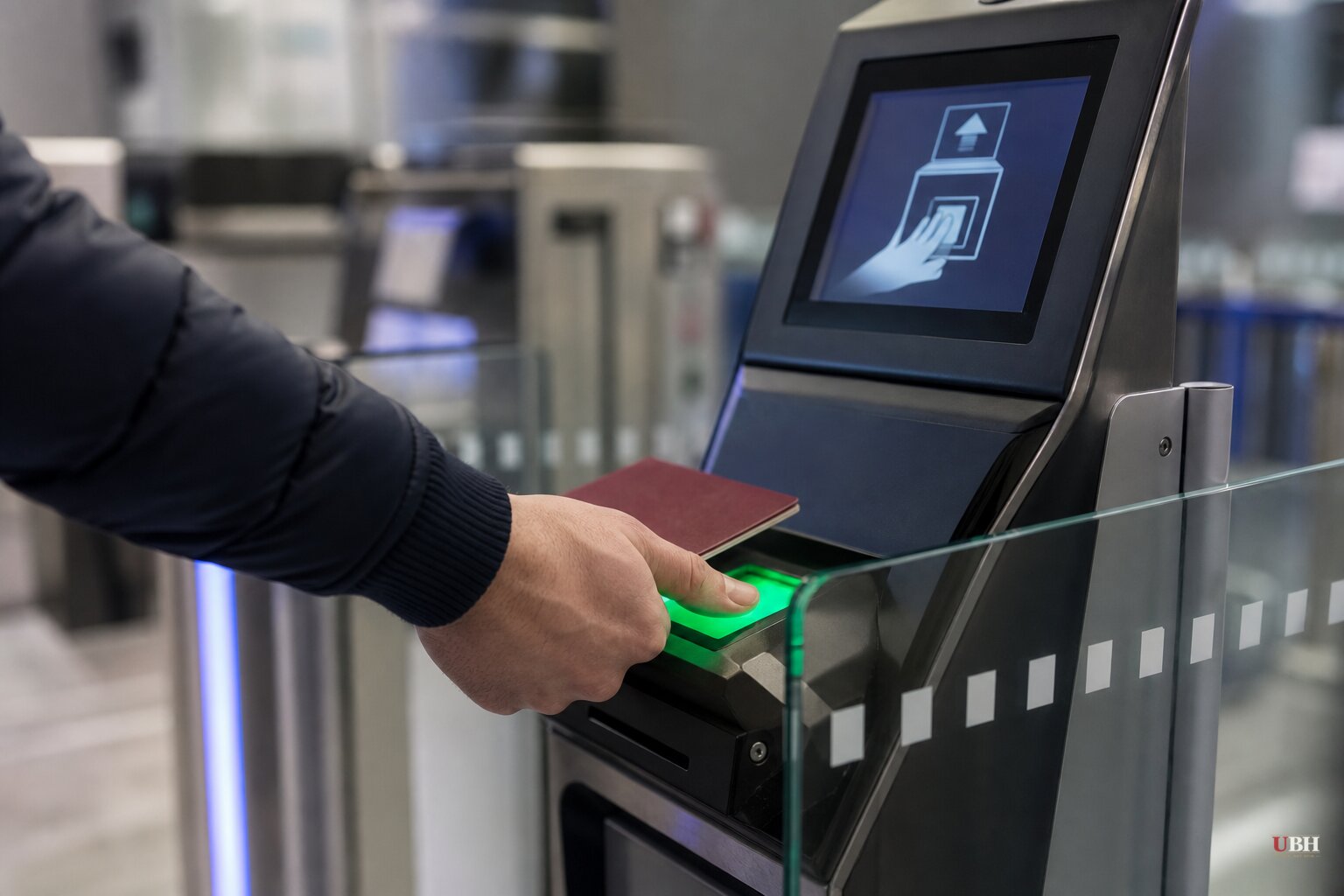
The European Union's Entry/Exit System has been fully operational at Schengen borders since April 10, 2026. What ended Sunday, September 6, was something different: the emergency flexibility that let border officials at individual crossings temporarily skip biometric fingerprinting and facial scans when queues got too long.
That safety valve is gone. Under Article 7(3) and 7(4) of the EES regulation, the congestion exemption expired 330 days after the system went live, according to visasupdate. Brussels had the option to extend it. It didn't.
Industry Asked for More Time. Brussels Said No.
Airlines and travel groups spent last week lobbying the European Commission to extend discretionary powers through the end of 2026, according to The Guardian. The International Air Transport Association wanted four conditions met first: adequate staffing, stable EES hardware and software, working self-service kiosks, and wider rollout of pre-registration tools, per visasupdate.
Thomas Reynaert, IATA's head of external affairs, didn't soften it. "These are real impacts being felt by passengers," he said. "It gives Europe a bad reputation. When systems fail, passengers lose the trust in the system and when people are late, airlines pay a high cost."
A European Commission spokesperson told reporters at a September 1 briefing that EES had "broadly worked well" over the summer and that the Commission was in "close and constructive contact with those few member states where some adjustments are needed at certain border crossing points," according to Euronews. That's bureaucratic language for some countries still can't run this properly, and we know it.
Ryanair CEO Michael O'Leary offered the blunter version, warning passengers the airline won't wait around for anyone caught in a border queue. "We are not going to hold the aircraft for anyone," he said, per visasupdate.
The Rules Aren't Being Applied the Same Way Everywhere
France is dealing with software problems in its EES system, so cross-Channel travel through Eurotunnel, Eurostar, and the Port of Dover isn't changing next week, The Guardian reported. The fingerprinting kiosks that Eurotunnel, Dover, and Eurostar paid to install at London St Pancras still aren't working. Eurotunnel said it's "awaiting confirmation from the French authorities" and is "ready to implement full biometric checks as soon as formal clearance is granted." Eurostar says enrollments are still being done manually by border officers.
Meanwhile, at some of Europe's busiest airports, a senior airline source told The Guardian that full enforcement isn't expected regardless of what the calendar says. Greece in particular appears to have unofficially waved through UK travelers to avoid queue chaos, and that source expects the practice to continue.
A rule that's enforced in Germany but quietly skipped in Greece isn't really a rule. It's a suggestion. Travelers can't plan around inconsistent enforcement, and neither can the airlines trying to schedule connections. Luke Petherbridge, director of public affairs at UK trade body Abta, said the group is still pushing Brussels for discretionary suspension powers beyond September, "recognising that there is still some way to go until EES is fully and consistently operational across all participating countries."
EES exists to track overstays and screen non-EU arrivals, a legitimate border-security function most countries already expect of visitors, including the United States. The system isn't being scrapped. It's the emergency exemption for skipping checks during traffic jams that expired, not the underlying requirement. Uneven enforcement is a rollout failure, not evidence the policy itself is wrong.
A Separate Border Fight, Same Season
Schengen's border troubles aren't limited to EES. Since August 1, Italy has maintained border curbs on travelers from Spain, tied to the fallout from a late-July migrant surge into the Spanish exclave of Ceuta, where Spain's own estimate put crossings at roughly 72,000 people over two days, according to The Epoch Times. Italian Interior Minister Matteo Piantedosi extended those restrictions on August 31, telling La Sicilia the extension "was necessary" because the underlying conditions hadn't changed. That's an internal Schengen dispute between two member states, separate from EES, but it underscores that Europe's open-border architecture is under strain on more than one front this year.
The unresolved question for EES is simple: does Brussels quietly tolerate the patchwork enforcement travelers are describing in France and Greece, or does it force consistency across all 29 participating countries? The Commission hasn't said which. Travelers connecting through European hubs in the coming weeks won't know the answer until they're standing in the queue.
Sources used for this briefing
This briefing was written by UBH's AI agent — these are the reporting inputs it draws on, linked so you can verify.


