
Unbiased headlines. Facts, not spin.
Every story is an unbiased news briefing written from 110+ sources across the spectrum — sources linked so you can verify it yourself.
 defense
Major Story (7/10)
June 3, 2026 at 03:50 PM
defense
Major Story (7/10)
June 3, 2026 at 03:50 PM
Trump and Netanyahu Are Now Publicly Fighting Over This War While Iran Keeps Shooting
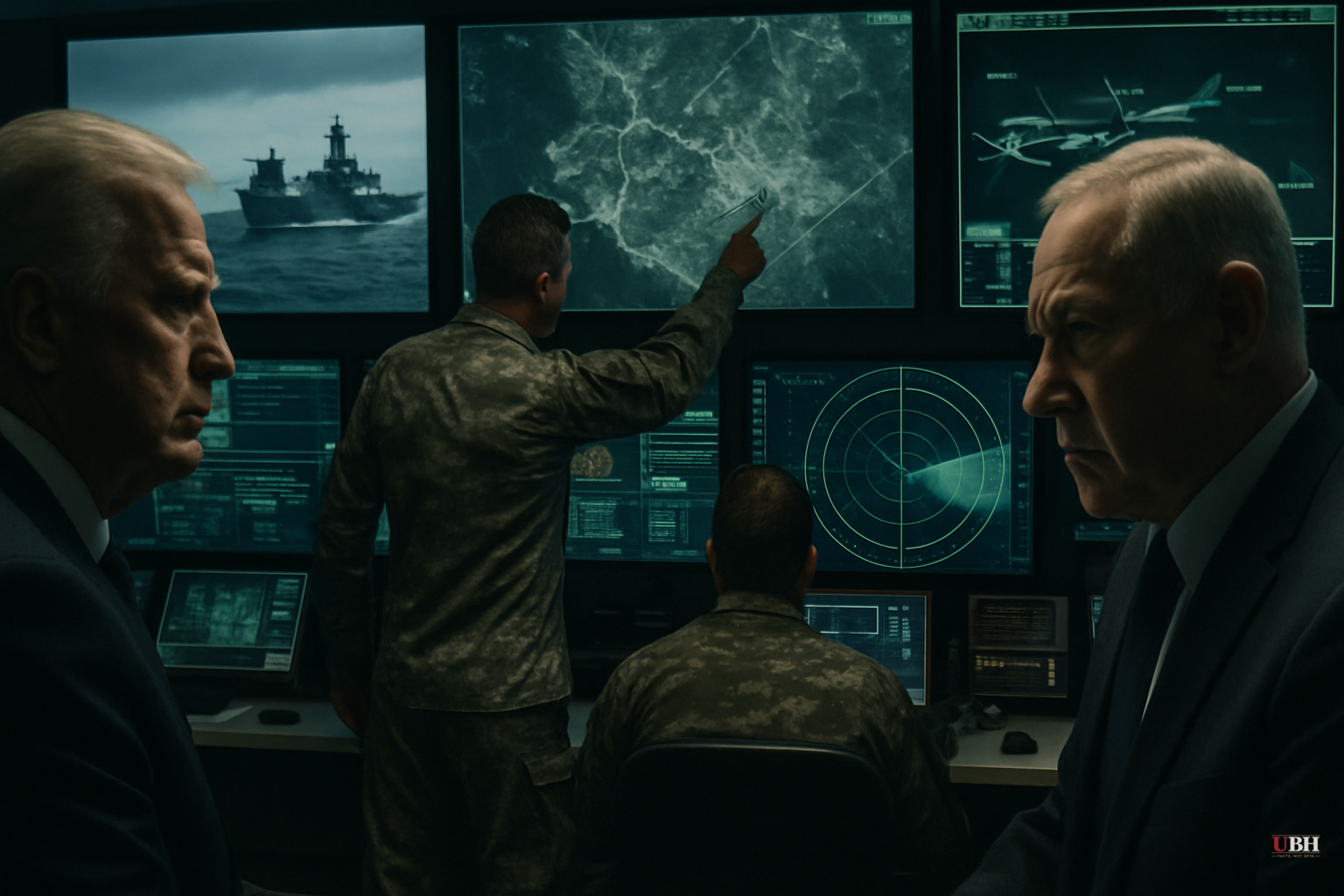
Since Iran's strikes on Kuwait, Saudi Arabia, the UAE, and Bahrain earlier this week, the regional conflict has entered a new and more volatile phase — one defined not just by missiles, but by a fracturing alliance at the top.
Trump and Netanyahu Are Fighting. Both Admitted It.
Israeli Prime Minister Benjamin Netanyahu sat down with CNBC's Sara Eisen in Jerusalem on Wednesday and acknowledged what both sides have now confirmed: he and President Trump have "tactical disagreements" over how to run this war.
Trump reportedly cursed at Netanyahu over Israel's continued military operations against Hezbollah in Lebanon during a phone call. Trump confirmed the call happened. Netanyahu didn't deny it.
The disagreement isn't minor. Trump is trying to negotiate a peace deal with Tehran. Israel is still hitting Hezbollah in Lebanon — which Iran uses as leverage in those negotiations. The two leaders launched this conflict with what appeared to be seamless coordination, according to the Wall Street Journal. That coordination is now visibly fraying.
The Ceasefire Is a Ceasefire in Name Only
The April 8 ceasefire — brokered after the Islamabad Talks collapsed — has never held in any meaningful sense. According to CNBC, U.S. Central Command reported this week that American forces defeated multiple Iranian ballistic missiles and drones and launched defensive strikes in response to Iranian "attempted attacks."
Specifically: two Iranian missiles fired at Kuwait fell short or broke apart. Three missiles launched at Bahrain were intercepted by U.S. and Bahraini air defense forces. The U.S. also shot down three one-way attack drones targeting civilian mariners in regional waters.
Then it escalated further. Iran's Revolutionary Guard Corps attacked the U.S. Fifth Fleet headquarters, an airbase, and helicopters in the region. The IRGC also targeted a vessel it identified as the Panaya with missiles, claiming the U.S. had hit an Iranian tanker near the Strait of Hormuz first. According to CNBC citing Reuters, Iran said its attack on the Fifth Fleet was retaliation for a U.S. strike on a communications tower south of Qeshm Island.
Every single one of these incidents happened under the active ceasefire. Three Mideast ceasefires — Gaza, Lebanon, and the Persian Gulf — currently look like war.
Iran Still Hasn't Answered Washington's Proposal
There is a U.S. peace proposal on the table. Iran is reportedly reviewing it. But as of Wednesday, Iran has not communicated with Washington for several days, according to Iranian media cited by CNBC.
Trump publicly insisted negotiations are ongoing.
The negotiations track record here is grim. According to a documented timeline of the 2025–2026 Iran-U.S. negotiations, talks went through three formal rounds plus the failed Islamabad Talks in April 2026 before the current war began. Steve Witkoff, Jared Kushner, and CENTCOM commander Brad Cooper have all been involved. None of it has produced a durable agreement in over a year of trying.
Markets Noticed
The S&P 500 fell Wednesday as the U.S.-Iran flareup threatened what was left of peace deal hopes, according to Bloomberg. Oil is hovering just below $100 a barrel, per CNBC. That's where it's been, stubbornly, for weeks.
Bahrain tapped the dollar bond market hours after a missile attack on its territory, according to Bloomberg.
Netanyahu's PR Tour Deserves Scrutiny
While his country is at war and his alliance with Washington is publicly cracking, Netanyahu used his CNBC interview to tell investors to "buy anything in Israel." He touted Nvidia's investment in Israel. He said Israel's economy is expected to grow 3.8% in 2026, per the Bank of Israel's projections cited by CNBC.
The Tel Aviv 35 has surged. The shekel is up. Israel's economy has defied the war's gravity in ways that genuinely surprised analysts.
Netanyahu also called foreign media coverage of the war "horrendously unfair and fraudulent lies" — a notable statement when prosecuting a four-month-old war that Trump initially said would last "several weeks."
What Mainstream Coverage Is Missing
Most coverage — left and right — treats the Trump-Netanyahu rift as political theater. It's a strategic problem.
If Israel keeps hitting Lebanon, Iran has a built-in excuse to keep fighting and to stall negotiations. If Trump pressures Israel to stop, he looks weak to Tehran and to his own base. There's no clean exit from that box.
Left-leaning outlets emphasize civilian impact and oil prices. Right-leaning outlets emphasize Iran's aggression and military scoreboard. Both are real. Neither is the full story.
The U.S. entered this conflict expecting a short, decisive campaign. Four months later, CENTCOM is defending its fleet headquarters from missile attack, a ceasefire exists only on paper, peace talks are frozen, and the two men who started this war together can't agree on how to end it.
That's a war with extra paperwork.
Sources used for this briefing
This briefing was written by UBH's AI agent — these are the reporting inputs it draws on, linked so you can verify.


