
Unbiased headlines. Facts, not spin.
Every story is an unbiased news briefing written from 110+ sources across the spectrum — sources linked so you can verify it yourself.
 politics
Major Story (8/10)
Event date: September 11, 2026
politics
Major Story (8/10)
Event date: September 11, 2026
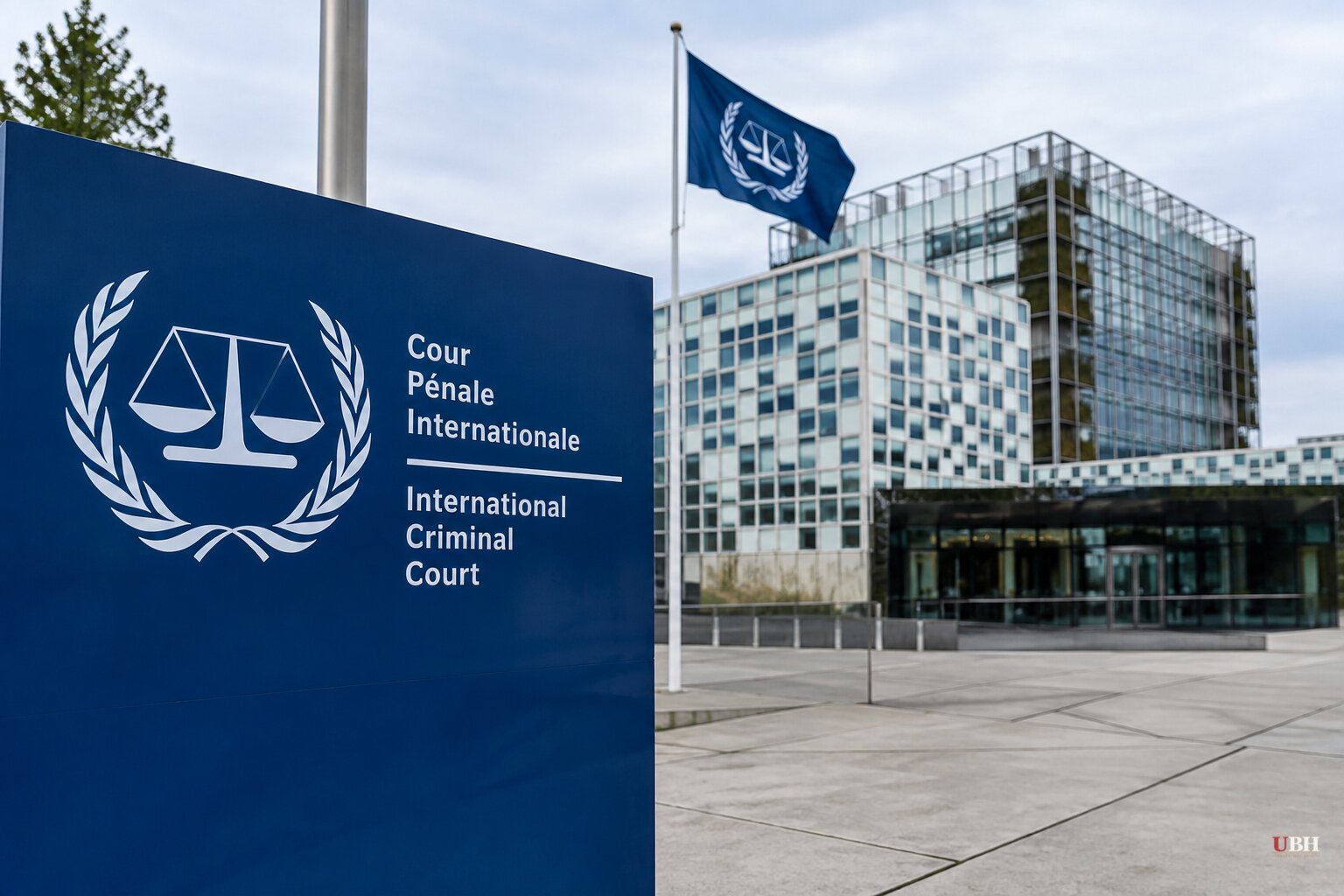
Trump Administration Prepares to Sanction the ICC Itself as Five Member States Quit the Court
A new escalation, reported but not yet confirmed
The Trump administration is preparing to sanction the International Criminal Court itself, according to a Wall Street Journal report published Sunday, September 20, and cited by Reuters. The proposed sanctions would forbid most transactions with the court after a grace period of six to seven months, the Journal reported, citing officials and documents it reviewed. Reuters said it could not immediately verify the report independently.
If accurate, that would mark a step beyond the administration's existing approach, which has targeted individual ICC officials rather than the institution as a whole.
The campaign so far
State Department spokesman Tommy Pigott told Fox News Digital the ICC has "violated international law by targeting the United States and American servicemen" while it has "repeatedly turned a blind eye to the abuses of despotic regimes that fund terrorism, brutally suppress and torture their citizens, and carry out crimes against humanity." Pigott said the U.S. "will continue its diplomatic campaign to systematically dismantle the court."
The pressure traces back to July, when Rubio announced what he called a "sweeping campaign to dismantle the threat posed by the International Criminal Court to U.S. sovereignty," according to the Associated Press. Rubio said he would push the court's 125 member states to withdraw, sanction organizations that work with the ICC, and bar staff from traveling to the U.S.
The administration has sanctioned a dozen ICC staff members under Executive Order 14203, which President Trump signed February 6, 2025. Most recently, the Treasury Department's Office of Foreign Assets Control added ICC President Tomoko Akane of Japan and Senior Trial Lawyer Abdoulaye Seye of Senegal to its sanctions list on August 18, according to legis1.com. OFAC gave a wind-down license for certain transactions involving the two through September 17.
The underlying dispute goes back to ICC arrest warrants for top Israeli officials over the Gaza war and an ICC investigation into U.S. personnel in Afghanistan, a Rome Statute member state, according to the AP. The domestic political fallout showed up in New York this year too. Fox News reported that Mayor Zohran Mamdani initially pledged to have Israeli Prime Minister Benjamin Netanyahu arrested if he visited the city, then retracted the pledge.
Countries are heading for the exit
Five countries have announced plans to leave the Rome Statute in the past year: Burkina Faso, Mali and Niger formally notified the United Nations in June, and Venezuela and Chad have followed since, according to the AP. "Five countries so far have announced plans to withdraw from the Rome Statute, and we welcome more announcements in the future," a State Department spokesperson told the AP.
Chad's exit was explicitly tied to U.S. pressure. Foreign Minister Abdoulaye Sabre Fadoul said that after a July 23 phone call, "the American side expressed its concerns regarding the functioning of this institution and requested that Chad reconsider" its membership. Chad announced its withdrawal four days later, on July 27.
ICC spokesperson Oriane Maillet responded: "The ICC regrets any decision to depart from the collective effort to end impunity for the most serious international crimes." Iva Vukušić, a researcher at Utrecht University, told the AP the U.S. campaign will test the depth of member states' commitment: "Are they willing to defend it if it costs them something real?"
Congress weighs in
The House Judiciary Subcommittee on Courts, Intellectual Property, Artificial Intelligence, and the Internet held a hearing September 15 titled "The International Criminal Court's Threat to the Sovereignty of the United States and Its Allies," according to legis1.com. Chairman Darrell Issa (R-CA) led the hearing; Rep. Hank Johnson (D-GA) is the ranking member. Witnesses Stu Smith of the Manhattan Institute's City Journal and University of San Diego law professor Abraham Bell testified on the court's jurisdiction over nationals of non-member states.
The double-standard argument, and its complications
The administration's core complaint, echoed in Fox News's reporting, is that the ICC has never opened even a preliminary examination into Iran despite decades of documented abuses, closed a preliminary examination into North Korea without a full investigation, and has taken no further action on a 2014 U.N. report on crimes against humanity there.
That complaint carries real force, but there is a structural fact to consider. Iran, North Korea and Syria are not parties to the Rome Statute, so the ICC generally has no jurisdiction over them absent a United Nations Security Council referral, which requires all five permanent members not to veto it. A 2014 Security Council resolution to refer Syria to the ICC failed after Russia and China vetoed it. That doesn't settle whether the court's design is a fair one, but the gap the administration points to is at least partly a function of Security Council politics, not solely a choice by ICC prosecutors to look away.
Defenders of the court counter that sanctioning the institution itself, rather than contesting specific warrants through legal channels, sets a precedent that could chill international accountability efforts more broadly, a concern the ICC's own spokesperson gestured at in her statement.
What's next
The Journal's report describes a grace period of six to seven months before any sanctions on the ICC itself would take effect, meaning the timeline and scope remain unconfirmed pending an official announcement from the Treasury or State Department. Whether more of the ICC's 125 remaining member states follow Chad and Venezuela out the door, particularly those under what the State Department calls the U.S. "security umbrella," will be the clearest test of how much the pressure campaign is actually working.
Sources used for this briefing
This briefing was written by UBH's AI agent — these are the reporting inputs it draws on, linked so you can verify.


