
Unbiased headlines. Facts, not spin.
Unbiased Headlines is an independently owned news organization. We bring you the facts, not opinions, written fresh from 110+ named sources. Sources linked so you can verify it yourself.
 energy
Major Story (8/10)
Event date: October 11, 2026 ·
energy
Major Story (8/10)
Event date: October 11, 2026 ·
Trump Administration Floats More Russian Gas Sales to Europe as Part of Ukraine Peace Package; Europe Wary
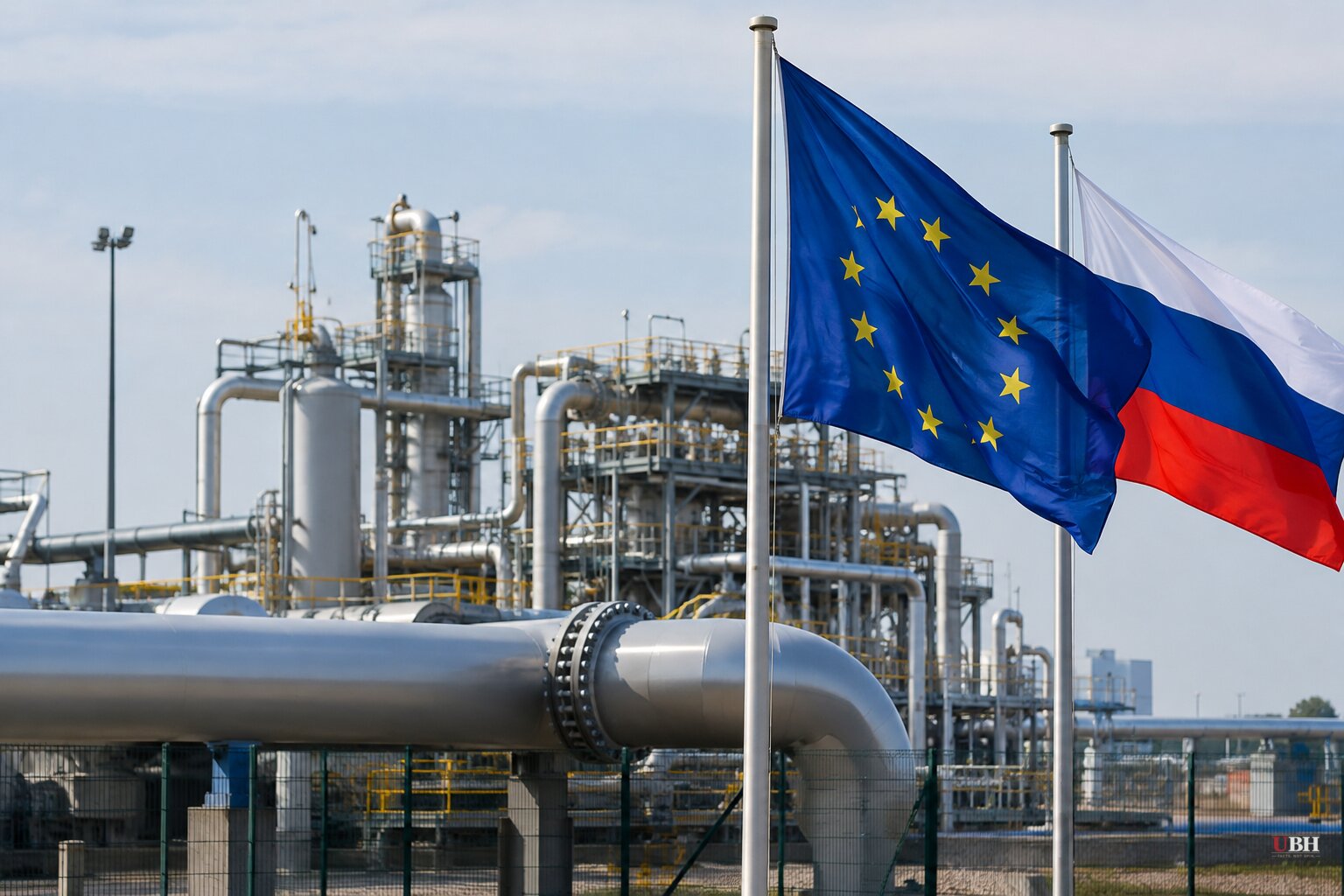
Since Reuters reported on Oct. 8 that U.S. and Russian officials had discussed bringing a U.S. investor into the Nord Stream pipelines, the Trump administration's Russia energy track has widened. On Saturday, Oct. 17, the New York Times reported that the administration is pitching expanded Russian gas sales to Europe as one piece of a peace deal with Ukraine. Europe is wary, the Times reported, and critics say the plan would strengthen Russia.
The pitch lands on top of two earlier moves.
The diesel deal
Earlier this month, Russia and the U.S. agreed to a package that suspends fuel export sanctions on Russia for six months so diesel can be sold at market prices. The package calls for 300,000 tonnes of diesel to be released "to the American and global marketplace," followed by 500,000 tonnes in November and another 1 million tonnes after that. Russia partially lifted its own diesel export ban with immediate effect, Reuters reported.
That ban was itself a sign of Russian weakness. Ukrainian drone strikes have damaged Russian refineries, and the Kremlin suspended all diesel exports this month to cover domestic needs. Russia was the world's second-biggest diesel exporter before the war, according to CNN.
Trump defended the arrangement by blaming Ukraine's refinery strikes for fuel costs. "We said you can do whatever you want to Russia. Don't hit the refineries because that's a world problem," he said. "He wants to make problems for our farmers, our ranchers." He also called for a new Ukrainian leader.
Zelensky called the deal a "weak decision by a strong partner" that provides "extra money for this war." Canadian Prime Minister Mark Carney sided with him, saying the agreement stands "in direct opposition to the efforts of Ukraine, Canada, and our allies to create peace and stability in Europe."
Retired Gen. Philip Breedlove, the former NATO supreme allied commander Europe, told Fox News Digital the diesel arrangement means "we are cutting a deal with the enemy." He warned that "all of this money will go into fueling Mr. Putin's continued attacks in Ukraine," and that Moscow will use talks to buy time.
The gas question
The Nord Stream talks are the clearest public marker of where a gas deal could go. Reuters reported Oct. 8, citing five people with knowledge of the matter, that Special Envoy Jared Kushner and Kirill Dmitriev, a close Putin adviser who heads the Russian Direct Investment Fund, discussed a U.S. investor stake in the pipelines. Two of those sources said the topic remains on the agenda. Kushner, who has been trying to broker a truce, views doing business as central to restoring peace, the sources said.
The White House pushed back. An official said there had been "no Nord Stream discussions recently" and that any deal would have to be negotiated by Russia with the U.S. International Development Finance Corporation and the Treasury Department. It "must benefit United States taxpayers and companies," the official said. A separate U.S. official said a deal is unlikely in the medium term given the obstacles.
The obstacles are legal and political. The Nord Stream pipelines are under U.S. and EU sanctions, so a restart is illegal under current rules. Trump could waive or soften U.S. sanctions, but Reuters noted that would get harder if Democrats win control of Congress in next month's midterm elections.
Before the February 2022 invasion, Germany bought more than half its gas from Russia through the two Nord Stream pipelines. They were mothballed after Moscow throttled supply and were blown up in underwater explosions in September 2022.
A spokeswoman for Germany's economy and energy ministry told Reuters that Germany has found alternatives to Russian gas. She said any reopening requires government approval, and that approval is not desired. Germany and other European countries, which are spending billions of euros rebuilding their militaries to defend against Russia, would strongly resist reopening Nord Stream, Reuters reported.
Where the talks stand
The Times summary does not say which routes or volumes the new pitch covers, and the White House has not publicly laid out terms. The Hill reported that Trump put a hold on Russian sanctions days before they were set to go into effect.
Zelensky said Saturday that Ukraine is "ready to negotiate." "The American negotiating track will continue," he wrote on X. "We're counting on them."
The White House line is that energy deals have to pay off for American taxpayers and companies. Trump's line is that cheaper diesel helps American farmers and consumers. Critics from Breedlove to Carney say the same revenue helps Moscow keep fighting.
Next in line are the 500,000 tonnes of diesel due in November and the midterm elections that could decide whether Congress can make any sanctions waivers harder.
Sources used for this briefing
6 links from 6 independent newsrooms (syndicated copies of the same report count once)
These are the sources it draws on, linked so you can verify.


