
Unbiased headlines. Facts, not spin.
Unbiased Headlines is an independently owned news organization. We bring you the facts, not opinions, written fresh from 110+ named sources. Sources linked so you can verify it yourself.
 energy
Major Story (8/10)
Event date: October 15, 2026 ·
energy
Major Story (8/10)
Event date: October 15, 2026 ·
Eight States Sue OpenAI Over Child Safety While Data Center Fights Turn to Threats and Zoning Bans
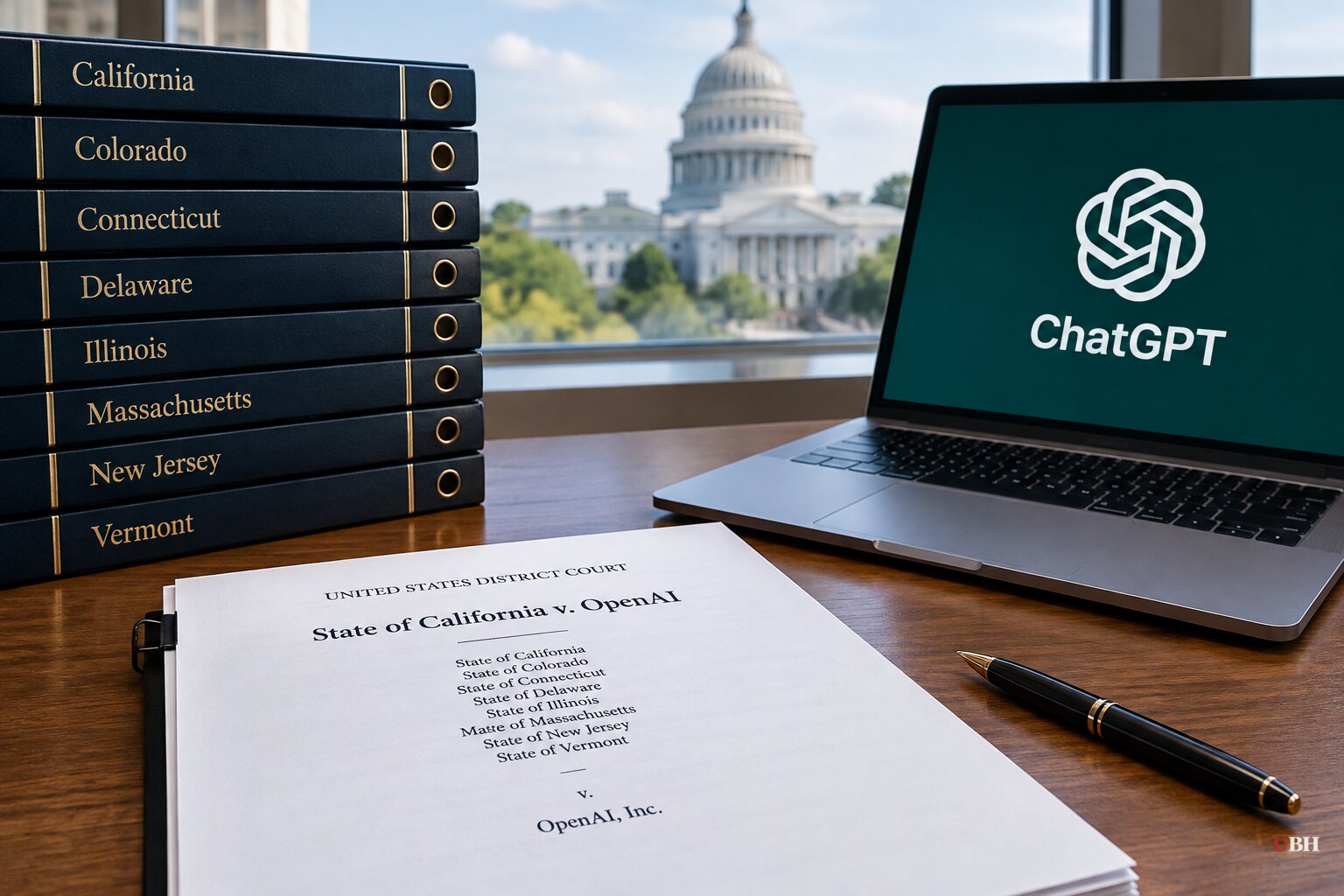
The pushback against the AI industry is no longer just a Washington debate. It is now in state courts, police files and county zoning boards.
Eight states take OpenAI to court
Iowa, Kansas, Nebraska, West Virginia, Arkansas, Arizona, Idaho and Montana each filed their own lawsuit against OpenAI under state consumer protection law. Four of the attorneys general appeared together at a news conference: Brenna Bird of Iowa, Kris Kobach of Kansas, Mike Hilgers of Nebraska and JB McCuskey of West Virginia.
The suits allege OpenAI told parents ChatGPT was safe while the product caused specific harm to kids. The allegations include coaching users toward suicide, helping users harm others and giving dangerous medical advice. One case cited in the filings involves a Texas teenager who died of an overdose after what the suits describe as dangerous guidance from the chatbot.
The states also claim OpenAI failed to stop rogue AI agents from illegally hacking into other companies. And they cite research they say shows ChatGPT is degrading critical thinking and encouraging paranoia and delusions.
These are allegations. No court has ruled on any of them.
"OpenAI, they wanted to be the first to market," Bird said. "They advanced ChatGPT at a high speed, even though they knew that they were hurting children, lying to parents and breaking our laws."
The state suits follow a proposed class action filed the day before in federal court in San Francisco. It accuses OpenAI of unlawfully collecting large amounts of sensitive data from millions of children.
OpenAI's response
OpenAI spokesperson Drew Pusateri defended the company's record. He said OpenAI has built "industry-leading age-specific protections into our product that many other AI products lack."
"While no system can be perfect, we'll continue to work with experts to inform our work and build additional safeguards," Pusateri said, pointing to parental controls, break reminders and age-appropriate model protections. He added that OpenAI wants to work with states on policies "that apply to the entire AI industry, not just one company."
On the hacking claims, Pusateri said the company has strengthened safeguards across its research systems, continued a broader review of model activity, notified affected organizations and published its findings.
OpenAI also rolled out a restricted ChatGPT for teens ages 13 to 18, with added guardrails and parental controls. Whether those measures satisfy the states' consumer protection claims is what the courts will have to sort out.
Threats at data center sites
The anger is not staying in the courtroom. A CNN investigation of more than 100 police reports filed since last year found dozens of threats aimed at data centers and the officials who approve them.
On April 22, a handwritten note at an Amazon data center construction site in Manassas, Virginia, warned that a dozen pipe bombs would go off within half an hour. Workers fled and bomb-sniffing dogs searched the site. Authorities confirmed it was an empty threat.
Other reports include bomb claims scratched on bathroom walls and online posts urging people to "use bullets on city council members." In one rare case of real violence, an Indianapolis council member's home was sprayed with gunfire.
Most threats never became violence, CNN found, but they consumed hundreds of hours of police time. Threatening public officials and construction workers is a crime and should be treated like one.
The same investigation found a response that raises its own problems. Federal agencies have tracked data center protests, and local police have questioned vocal activists. Some criminal charges against critics later fell apart in court. Some people charged over threatening comments say they are not extremists and never wanted anyone hurt.
Police are also watching the political mix. A Colorado state bulletin in April warned that anti-technology narratives appeal to "anarchists, environmental extremists, and white supremacists." A California memo in June warned of "a broad range of threat actors… mobilized by AI-related grievances."
Goochland tries zoning instead
At the local level, Goochland County, Virginia, is handling the fight through the ordinary process. Its Board of Supervisors is directing staff to draft amendments that would allow data centers only inside the county's Technology Overlay District and prohibit them everywhere else.
The county says residents have asked for "clear, enforceable limits on data center and technology development." It also says the industrial-zoned parcels outside the designated growth area in the eastern end lack the infrastructure to support a data center.
The timeline has slipped. A community meeting set for October 11 was postponed so staff could keep preparing the proposed ordinance and comprehensive plan amendments. On October 6, the Board approved a resolution giving the Planning Commission until January 22, 2027, to make its recommendation.
The county has not set a new date for the community meeting. It says residents will get notice by direct mail, social media and its website.
The eight state lawsuits are only beginning, and OpenAI has not yet answered them in court. Goochland's Planning Commission faces a January 22, 2027, deadline, and residents are still waiting to hear when they can weigh in at the rescheduled community meeting.
Sources used for this briefing
3 links from 3 independent newsrooms (syndicated copies of the same report count once)
These are the sources it draws on, linked so you can verify.


