
Unbiased headlines. Facts, not spin.
Every story is an unbiased news briefing written from 110+ sources across the spectrum — sources linked so you can verify it yourself.
 economy
Notable (6/10)
July 31, 2026 at 12:37 AM
economy
Notable (6/10)
July 31, 2026 at 12:37 AM
Trump Adds New Conditions to US-Saudi Nuclear Deal After Energy Ministers Signed Agreement
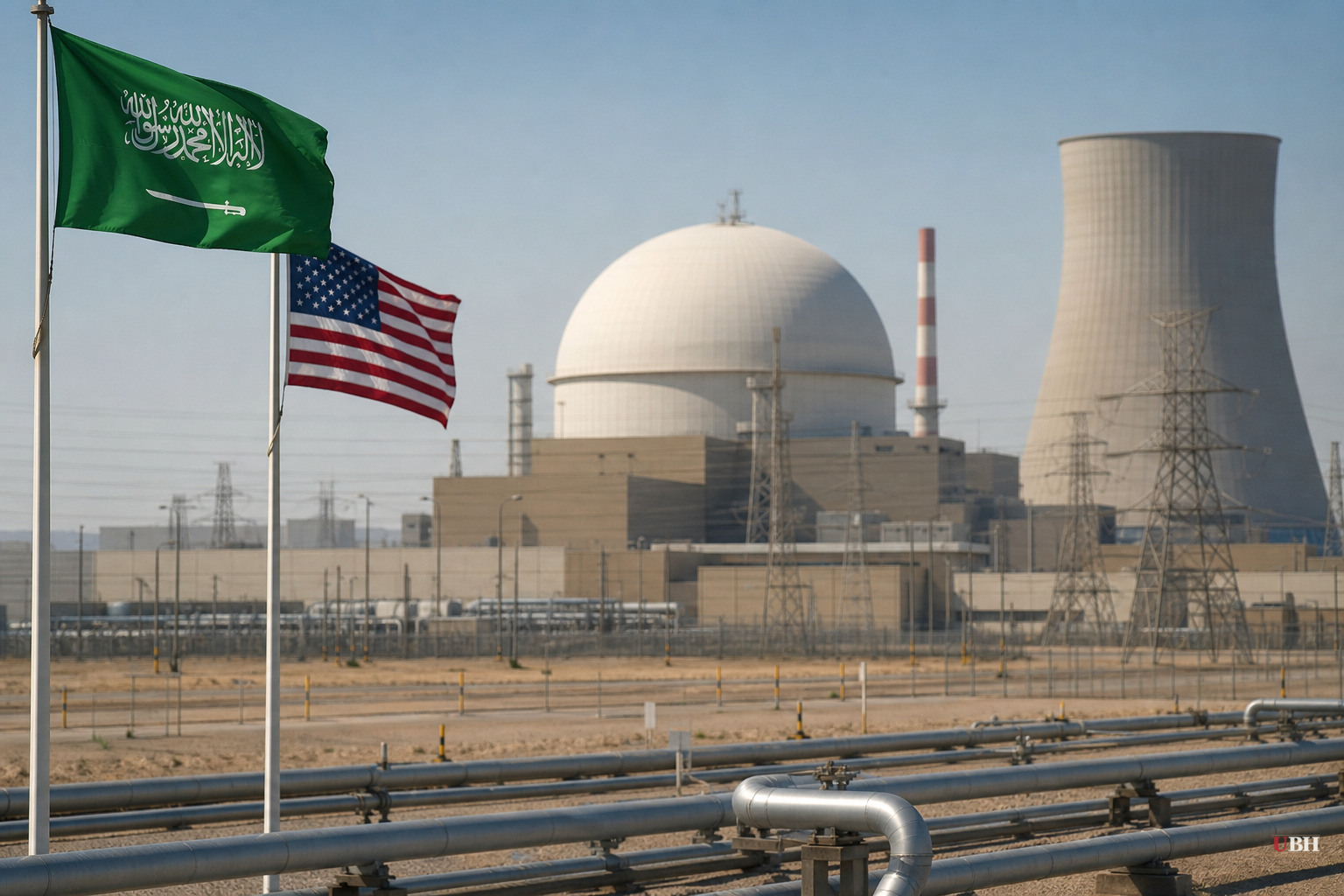
The United States and Saudi Arabia signed a civilian nuclear cooperation agreement on July 22, according to a Washington Post opinion piece by Saudi author and commentator Ali Shihabi. American energy officials and their Saudi counterparts had been negotiating the framework for nearly a decade before finalizing it, Shihabi wrote.
The deal was supposed to put U.S. companies at the center of building out Saudi Arabia's civilian nuclear power industry. Whoever builds Saudi Arabia's nuclear infrastructure gets decades of influence, contracts, and leverage in the region.
But Shihabi's column argues the Trump administration has since added new demands on top of the signed agreement. He warns those additional conditions risk blowing up the deal entirely, and that Saudi Arabia could turn to China as an alternative partner if Washington keeps piling on requirements.
The available reporting doesn't specify exactly what those two new demands are. Shihabi's piece, as excerpted, references the signing and raises the alarm about the kingdom potentially walking away, but the specific substance of the added conditions isn't laid out in detail in what's available.
Nuclear cooperation deals with foreign nations typically hinge on nonproliferation terms, specifically whether the partner country agrees to forgo uranium enrichment and plutonium reprocessing on its own soil, the so-called "gold standard" 123 Agreement language that Washington has required of some partners in the past. Saudi Arabia has historically resisted signing away enrichment rights, arguing it wants the option to develop the full nuclear fuel cycle domestically.
If the U.S. walks away or Saudi Arabia balks at new conditions, the kingdom has other options. China has been aggressively courting Gulf nations on infrastructure, energy, and technology deals for years. Russia's state nuclear company, Rosatom, has also pursued civilian nuclear contracts in the Middle East, including with Egypt.
Shihabi's argument is straightforward: every time Washington adds friction to a deal that's already been negotiated and signed, it gives Beijing an opening. This dynamic is real in how Gulf states operate. Saudi Arabia, the UAE, and other regional players have gotten comfortable playing the U.S. and China off each other for the best terms, on everything from AI chips to weapons systems to infrastructure financing.
The fair counterpoint is that any American administration, including previous ones, has legitimate reasons to want ironclad nonproliferation guarantees before handing a foreign government access to nuclear technology and material. Saudi Arabia sits in a rough neighborhood. Iran's nuclear program has been the subject of international dispute for over a decade, and a Saudi enrichment capability, even nominally civilian, would set off a fresh nonproliferation debate across the Middle East. Wanting strict terms isn't unreasonable. It's arguably the whole point of these agreements.
There's no confirmation in the available reporting of what specific new demands the Trump administration added, when they were added, or whether Saudi officials have formally responded. Shihabi's piece is an opinion column from a Saudi commentator, not a straight news report citing named U.S. or Saudi officials on the record about the state of negotiations. An op-ed making a case that a deal is at risk differs from a Reuters or Associated Press story with State Department or Saudi Energy Ministry officials confirming specifics. Readers should treat the "kingdom might walk" framing as one informed observer's warning, not an established fact confirmed by multiple independent sources.
No U.S. agency, including the State Department or Department of Energy, has publicly detailed the additional conditions as of this writing. No Saudi official has publicly confirmed threatening to abandon the agreement.
The signed July 22 agreement stands as the baseline. Whether the added demands sink it, get renegotiated, or turn out to be a nonissue depends on details that haven't been made public yet. Watch for on-the-record statements from the U.S. Energy Department or Saudi Arabia's Ministry of Energy, or a follow-up agreement clarifying nonproliferation terms, as the next real signal of where this actually stands.
Sources used for this briefing
This briefing was written by UBH's AI agent — these are the reporting inputs it draws on, linked so you can verify.


