
Unbiased headlines. Facts, not spin.
Every story is an unbiased news briefing written from 110+ sources across the spectrum — sources linked so you can verify it yourself.
 economy
Notable (6/10)
July 25, 2026 at 05:48 AM
economy
Notable (6/10)
July 25, 2026 at 05:48 AM
Treasury Warns Banks: Fraud Rings Are Using "Ghost Students" to Steal Federal Student Aid
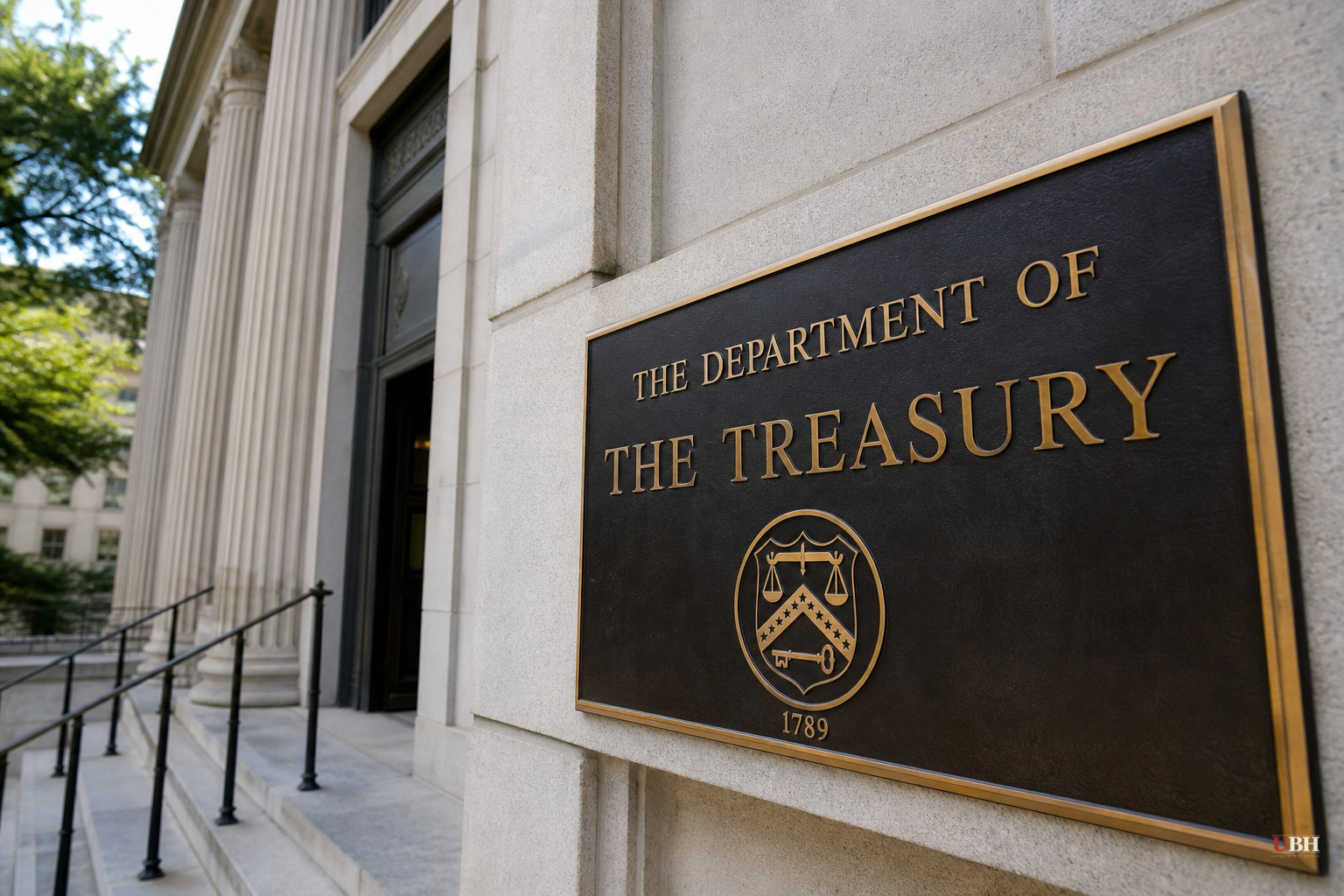
The Treasury Department's Financial Crimes Enforcement Network told banks and credit unions on Friday to watch for a fraud scheme built on fake college students who exist only on paper, or don't exist at all.
FinCEN's alert describes fraud rings using stolen personal information, sometimes belonging to minors who have no idea it's happening, to enroll "ghost students" in colleges and universities. Once enrolled, the fake students qualify for federal financial aid. The fraudsters collect the refund checks and disappear.
"Every dollar stolen from Federal student aid is a dollar taken from taxpayers and deserving students," Treasury Secretary Scott Bessent said in a statement. "The Trump Administration will not tolerate criminals who exploit government programs for personal gain."
How the Scheme Works
FinCEN outlined multiple methods fraud rings use. The most direct is straight identity theft: criminals obtain someone's personally identifiable information, use AI tools and forged documents to pass identity verification checks, and enroll that person in college without their knowledge.
A second method relies on "complicit straw students," people who knowingly sell their own PII to a fraud ring in exchange for a cut of the stolen aid money. Some rings build entire networks of these paid participants, and FinCEN says corrupt staff inside colleges and universities have in some cases helped recruit straw students or manipulate enrollment and academic records to keep the fraud running.
The damage isn't just financial. FinCEN says the flood of fake enrollments can crowd actual students out of course sections, making it harder for people who are legitimately trying to get an education to register for the classes they need.
What Banks Are Being Told to Look For
FinCEN is asking financial institutions to scrutinize deposits tied to educational institutions and the intermediaries that process student aid payments on their behalf. According to Bank Secrecy Act data cited by the agency, these payments typically move through Automated Clearing House transfers, and the transaction references often include the word "refund" alongside the school's name or an abbreviation of it, sometimes with the stated recipient's name attached.
After the money lands, FinCEN says fraudsters often launder it through money mules, shell companies, and fraudulent bank accounts to obscure the trail back to the original theft.
The alert is part of a broader Treasury push tied to President Trump's executive order directing agencies to root out waste, fraud, and abuse in federal programs, according to Breitbart News, which first detailed the specifics of Bessent's statement and the mechanics FinCEN laid out.
The Gap in Coverage
Beyond the FinCEN alert itself, there isn't much public detail yet on how big this problem actually is in dollar terms. Neither the Treasury statement nor the FinCEN release, as reported, put a specific loss figure on the table, no total dollars recovered, no count of fraud rings broken up, no number of institutions affected. That's a meaningful gap. Fraud alerts like this are often the opening move in a longer enforcement push, and the scale will matter for judging whether this is a systemic problem in federal student aid or a narrower one.
This is an alert, not an indictment. No specific individuals, schools, or fraud rings have been named or charged as of this alert. FinCEN's job here is to get banks watching for red flags, not to announce prosecutions. Anyone assuming a wave of arrests is imminent is getting ahead of what's actually been confirmed.
The Education Department has also flagged the same ghost student issue to colleges directly, a signal this isn't a one-agency concern. Federal financial aid fraud isn't new. Identity theft rings targeting Pell Grants and federal loans have been a known problem for years, particularly at community colleges and online programs where enrollment verification is thinner. What's new here is Treasury formally activating the banking sector as a detection layer, asking banks to flag suspicious ACH transfers tied to refund disbursements before the money gets laundered out.
The open question is enforcement. FinCEN alerts direct financial institutions to file Suspicious Activity Reports when they spot the patterns described. Whether that translates into actual prosecutions, recovered funds, or tighter identity verification requirements at the Education Department is the next thing to watch. Bessent's statement promises to "identify these fraud schemes, recover stolen funds, and hold those responsible accountable," but that accountability hasn't happened yet. It's a promise, not a result.
Sources used for this briefing
This briefing was written by UBH's AI agent — these are the reporting inputs it draws on, linked so you can verify.


