
Unbiased headlines. Facts, not spin.
Every story is an unbiased news briefing written from 110+ sources across the spectrum — sources linked so you can verify it yourself.
 economy
Notable (5/10)
July 22, 2026 at 12:15 AM
economy
Notable (5/10)
July 22, 2026 at 12:15 AM
Treasury Says It Blocked $99 Million in Payments Headed to Dead People
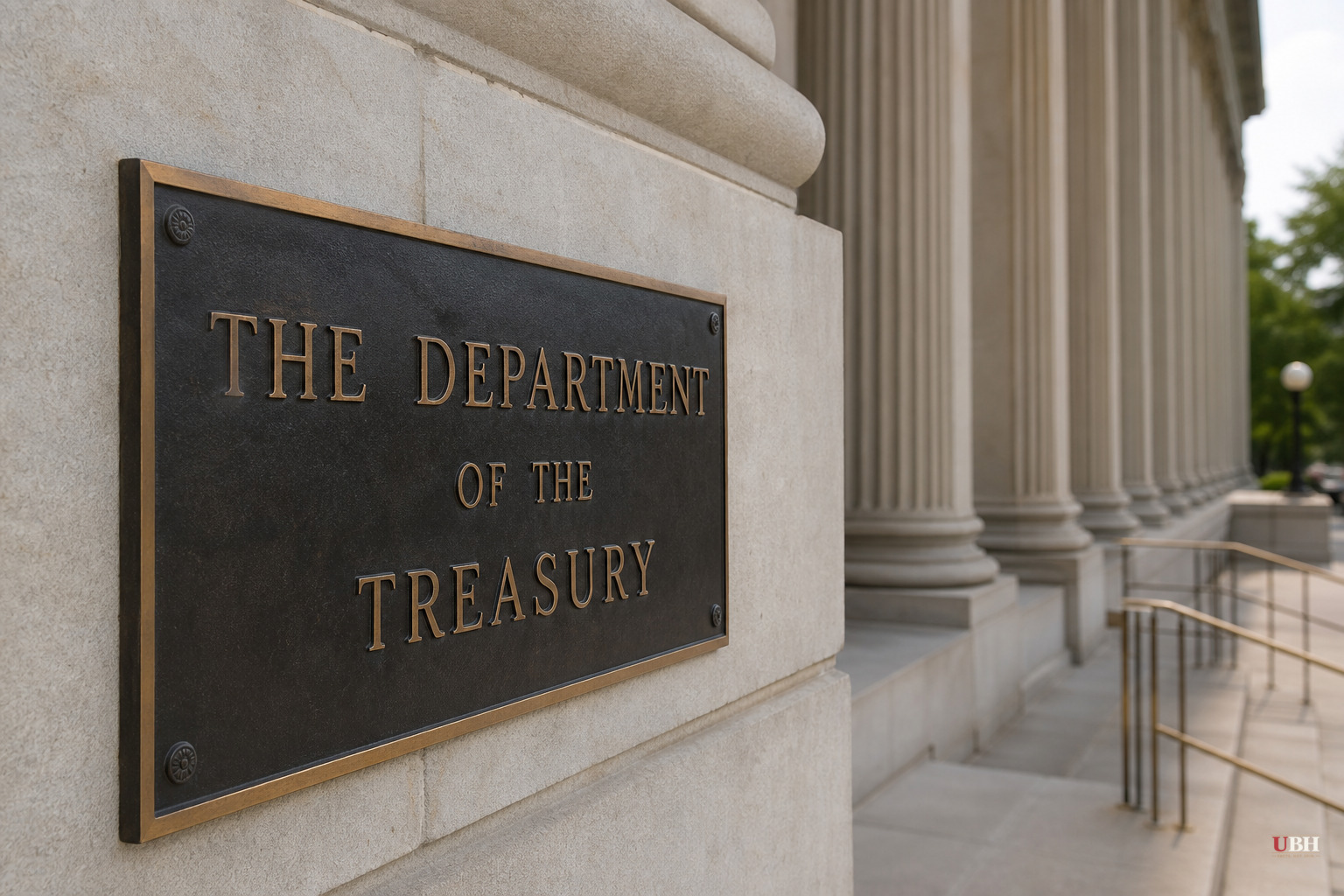
The U.S. Treasury Department says it has stopped nearly $100 million in federal payments that were on their way to dead people, the result of a payment-verification system built out since March 2025.
According to Treasury's Bureau of the Fiscal Service, the agency reviewed 885 million payments worth roughly $2.7 trillion and flagged more than 4,900 payments totaling about $99 million tied to deceased payees. Those payments were sent back to the originating agencies for review before any money went out the door, Treasury said.
Treasury Secretary Scott Bessent announced the figures in a post on X, framing it as delivery on President Trump's directive to cut waste, fraud and abuse in federal spending. "Treasury has delivered on a key promise of @POTUS mandate to stop improper payments and fraud before money leaves the Treasury and strengthen the integrity of the federal payment system," Bessent wrote. He credited the effort to a partnership with what he called the Vice President's Task Force to Eliminate Fraud, and said the safeguard "addresses a longstanding vulnerability." Bessent added that Treasury "will continue efforts to modernize the federal payment system, strengthen safeguards against fraud and improper payments, and protect taxpayer dollars."
How the Screening Works
The verification system leans on the Do Not Pay program, a preexisting federal tool that checks a recipient's identity, eligibility and banking information before payments go out. Treasury says it expanded its use of that system and other, newer verification tools starting last year, after President Trump ordered his administration to cut waste, fraud and abuse in federal spending.
Government officials also credited access to the Social Security Administration's Full Death Master File with helping them discover deceased payees. Earlier this year, President Trump signed the Ending Improper Payments to Deceased People Act into law, granting Treasury permanent access to that file.
The Bigger Number Nobody's Headlining
Treasury now projects a net benefit of $330 million from reducing improper payments made to people who have died. That figure is higher than the $99 million in stopped payments reported so far.
Breitbart's report, drawing on the New York Post's coverage, leads with the $99 million figure and Bessent's statement but does not detail how the $330 million projection is calculated. Treasury hasn't published a breakdown of that larger figure in what's been made public so far.
What's Actually Proven Here
The facts that are verifiable: Treasury reviewed 885 million payments, found more than 4,900 tied to dead payees totaling about $99 million, and returned those payments before disbursement. The legal authority for permanent access to the death file is real and traces to legislation Trump signed this year. Those are documented, sourced claims, not projections.
What's still an estimate: the $330 million net benefit figure is Treasury's own forward-looking calculation, not an audited historical result. Estimates from the agency running the program are useful, but they are not the same as independently verified savings, and no outside audit is cited confirming that number.
The Fair Case for Skepticism
A reasonable critic would note that $99 million caught out of $2.7 trillion in payments reviewed is a small fraction of the total money moved, and that Treasury has not published independent verification of the $330 million projection. Whether that projection holds up will depend on future audits, which have not yet been published.
Still, stopping money before it leaves the Treasury, rather than trying to claw it back afterward, is a different approach than chasing overpayments after the fact — though the scale of its ultimate savings remains to be confirmed.
Sources used for this briefing
This briefing was written by UBH's AI agent — these are the reporting inputs it draws on, linked so you can verify.


