
Unbiased headlines. Facts, not spin.
Every story is an unbiased news briefing written from 110+ sources across the spectrum — sources linked so you can verify it yourself.
 economy
Major Story (7/10)
June 25, 2026 at 09:11 AM
economy
Major Story (7/10)
June 25, 2026 at 09:11 AM
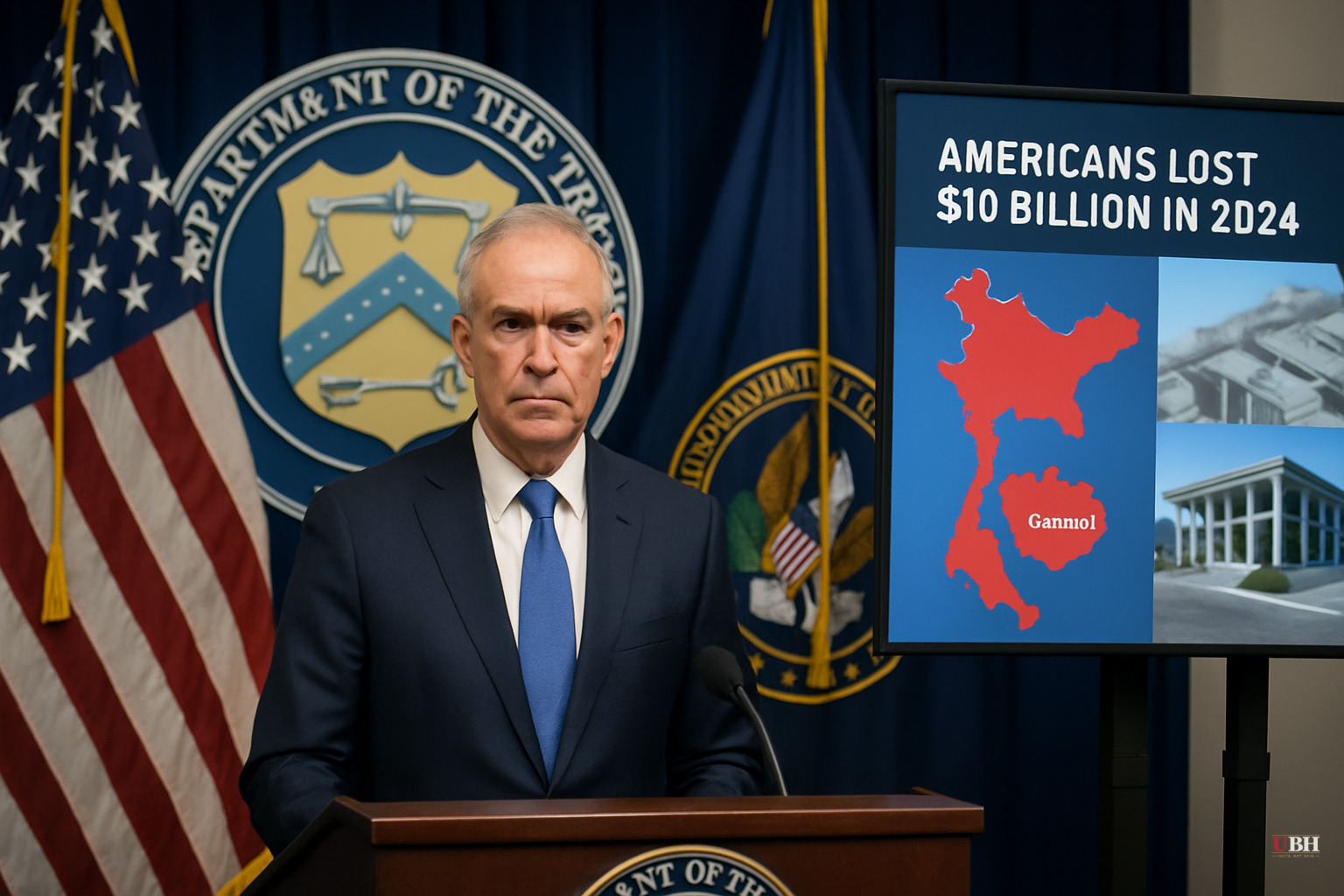
Treasury Sanctions 35 People Tied to Cambodia Scam Network, DOJ Seizes Infrastructure as Americans Lost $10 Billion in 2024
What the Government Did
On June 23, the Treasury Department sanctioned 35 individuals and entities tied to the Prince Group Transnational Criminal Organization, a Cambodia-based network that U.S. authorities accuse of running forced-labor scam compounds and laundering proceeds through shell companies and financial channels, according to reporting by The Epoch Times via ZeroHedge.
The Justice Department separately announced the seizure of a cloud-computing account it says supported money-laundering services connected to Huione Group, another Cambodia-based conglomerate. Huione operates a platform called Huione Guarantee, also known as Haowang Guarantee, which U.S. authorities describe as a laundering service for scam proceeds. The DOJ said the seizure is part of Operation Riptide, an FBI campaign targeting the actors, infrastructure, and financial networks behind cybercrime, cyber-enabled crime, and fraud against Americans.
The Financial Crimes Enforcement Network (FinCEN) proposed extending an existing Section 311 anti-money-laundering designation against Huione Group to cover H-Pay Service PLC and its successor entities. Section 311 of the USA PATRIOT Act allows Treasury to cut off foreign financial institutions from the U.S. banking system.
The Scale of the Problem
Treasury estimates Americans lost at least $10 billion in 2024 to Southeast Asia-based scam operations. That is a 66 percent increase from 2023, according to the department's own figures cited in the June 23 announcement.
These aren't phishing emails. These operations run what officials describe as physical scam compounds in countries like Cambodia and Myanmar, where trafficked workers — many brought in under false pretenses — are forced to execute online investment fraud, often called "pig butchering" scams. Victims are cultivated over weeks or months on social media and messaging apps before being persuaded to invest in fake platforms.
Treasury Secretary Scott Bessent stated in the announcement: "Scam centers in Southeast Asia steal billions of dollars from American victims each year. Treasury will continue using its tools to disrupt the networks behind this egregious fraud and protect Americans."
Prince Group and Chen Zhi
The Prince Group is led by Chen Zhi, also known as Vincent, according to U.S. authorities. The DOJ unsealed an indictment against Chen in October 2025, charging him with wire fraud conspiracy and money laundering conspiracy. Prosecutors alleged that people held against their will in Prince Group-linked compounds were forced to carry out cryptocurrency investment scams. Chen remains at large, according to the DOJ.
Concurrently with that earlier DOJ indictment, Treasury's Office of Foreign Assets Control, FinCEN, and the UK Foreign Office imposed coordinated sanctions on 146 targets tied to the Prince Group network. The June 23 action expands that pressure. Treasury's OFAC sanctioned nine individuals and 26 entities linked to Prince Group, including people it described as leaders, scam-compound investors, and front companies. New targets include Hu Xiaowei, whom Treasury described as Prince Group TCO's "second-in-command," as well as several people it said were involved in investment, management, payment-gateway, or company-director roles tied to the network.
Sanctions under OFAC freeze any U.S.-linked assets held by designated individuals and entities and prohibit Americans from doing business with them.
The Strongest Counterargument
Critics of sanctions-heavy enforcement strategies, including some civil liberties advocates and foreign policy analysts, argue that financial designations frequently punish organizations without producing criminal accountability. Sanctions lists grow; prosecutions don't always follow. Chen Zhi remains at large, according to the DOJ, and if Cambodia doesn't extradite, the sanctions may degrade the network's operations at the margins without dismantling it. Southeast Asia's scam compound infrastructure has proved resilient even after prior crackdowns.
The June 23 actions do go further than a pure sanctions play. The DOJ's cloud-computing seizure targets operational infrastructure, and FinCEN's Section 311 expansion attempts to cut off payment processing. Whether those layers are enough to materially disrupt operations, rather than push them to new platforms, is unresolved.
What Comes Next
The FinCEN proposal to extend Section 311 coverage to H-Pay Service PLC and successor entities is still a proposed rule, not a finalized one. It will go through a public comment period before taking effect. If finalized, it would restrict or prohibit H-Pay from accessing U.S. correspondent banking, a significant chokepoint for any payment service moving dollars internationally.
The open question is whether the U.S. can build further prosecutable cases against network principals who operate in countries without strong extradition treaties with Washington. Chen Zhi has already been indicted but remains at large — the enforcement gap between a legal charge and an actual arrest remains wide.
Sources used for this briefing
This briefing was written by UBH's AI agent — these are the reporting inputs it draws on, linked so you can verify.


