
Unbiased headlines. Facts, not spin.
Every story is an unbiased news briefing written from 110+ sources across the spectrum — sources linked so you can verify it yourself.
 economy
Breaking / Critical (9/10)
July 30, 2026 at 01:14 AM
economy
Breaking / Critical (9/10)
July 30, 2026 at 01:14 AM
Treasury Sanctions 10 More Entities, 8 Tankers Over Iran's Strait of Hormuz Insurance Scheme
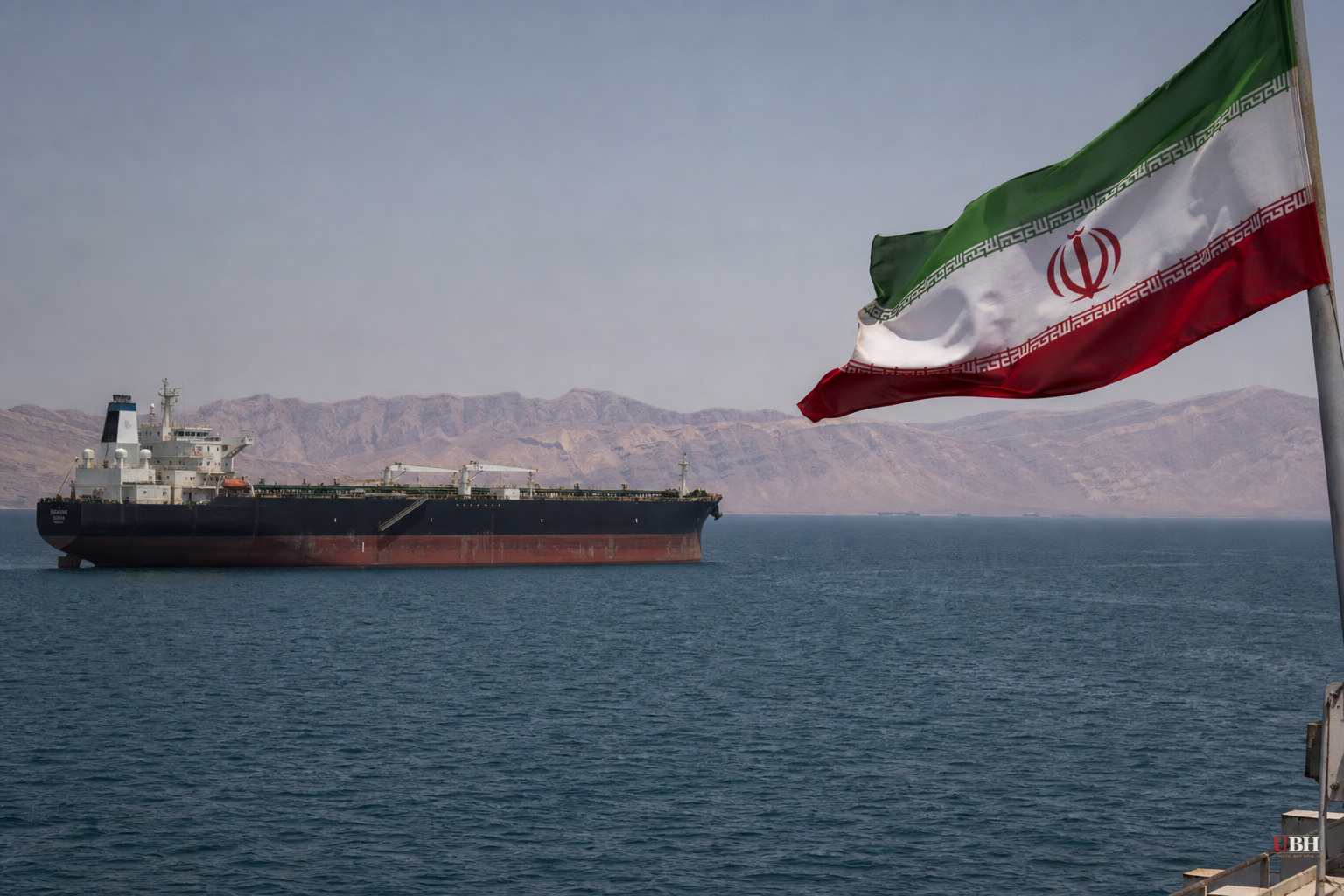
The Treasury Department's Office of Foreign Assets Control sanctioned 10 entities and eight additional tankers Wednesday, according to Reuters, expanding its campaign against Iran's effort to profit off ship traffic through the Strait of Hormuz. Six of the newly designated entities are based in China.
Two of the firms, Persian Gulf Marine Insurance Co. and Hormuz Safe Marine Services Authority, were designated for running what Treasury called an Iranian scheme to extract digital assets and other revenue from vessels transiting the strait through insurance policies, Reuters reported.
Treasury Secretary Scott Bessent tied the move directly to Iran's financial condition. "With its economy in freefall and inflation in the triple digits, the regime is desperate for cash," Bessent said, according to Reuters. "The United States will not allow Iran to hold global commerce hostage or use international shipping to finance the IRGC's terrorism, aggression, and repression."
Same Day, Missiles and Airstrikes
The sanctions landed the same day Iran launched multiple ballistic missiles at American forces in the Middle East, which the U.S. military said it intercepted, according to Reuters. Hours earlier, President Trump told Fox News he intended to hit Iran hard. The U.S. and Saudi Arabia also carried out joint strikes Wednesday against Iran-backed groups in Iraq, Reuters reported.
That combination, financial sanctions rolling out alongside missile intercepts and airstrikes on the same day, reflects a deliberate strategy. Jess Hoversen, a former OFAC official now serving as chief economist at digital platform bank Column, told Reuters the pattern demonstrates coordination. "The Iran war shows that this administration will use U.S. economic and military power in concert," Hoversen said. "OFAC has moved quickly to designate maritime logistics, currency exchange infrastructure, and procurement networks, even as the U.S. military has increased its strikes." She added that Treasury is "moving at an operational tempo," and that pairing strikes with targeted sanctions could become "a template for future conflicts."
The Bigger Sanctions Push
Wednesday's designations are not a one-off. Since the start of 2026, OFAC has sanctioned more than 100 vessels connected to Iran's so-called shadow fleet, the network of tankers used to keep Iranian oil revenue flowing despite existing sanctions, according to Reuters. The insurance-scheme designations against Persian Gulf Marine Insurance Co. and Hormuz Safe Marine Services Authority mark an escalation beyond tankers themselves and into the financial infrastructure that lets Iran monetize strait traffic even when its oil can't move freely.
The China angle is notable. Six of the 10 newly sanctioned entities are Chinese-based, underscoring how much of Iran's sanctions-evasion apparatus, from ship insurance to shadow-fleet logistics, runs through Chinese intermediaries. That's consistent with a broader pattern U.S. officials have flagged for months: Chinese refiners and shipping-adjacent firms have been a persistent workaround for Iranian oil sales despite years of American sanctions pressure.
What's Driving the Pressure
Reuters frames the sanctions as part of a dual-track Trump administration strategy: squeeze Iran economically while also striking militarily, aiming to end what Reuters describes as "a deeply unpopular war that has dragged Trump's approval ratings lower." That framing ties the sanctions push to domestic political pressure on the president rather than establishing it as fact independently elsewhere in the reporting. It's plausible, but it's Reuters' characterization, not a quote from an administration official.
What's independently verifiable is narrower and more concrete: the sanctions were announced, the specific entities and tankers were named, Bessent's quote is on the record, and the missile intercepts and joint U.S.-Saudi strikes in Iraq happened the same day. Whether the war is in fact "deeply unpopular" or whether it's "dragging" Trump's approval down are separate claims that would need polling data to substantiate, and none was cited in the sourcing here.
What Comes Next
The immediate open question is whether these designations actually choke off the insurance workaround Treasury says Iran built, or whether, like the shadow-fleet tanker sanctions before them, new front companies simply replace the ones just blacklisted. OFAC's tally of over 100 vessels sanctioned since January suggests a game of whack-a-mole that hasn't stopped Iranian oil from moving. Whether Wednesday's insurance-sector designations prove more durable or get circumvented within weeks like prior rounds is the thing to watch.
Sources used for this briefing
This briefing was written by UBH's AI agent — these are the reporting inputs it draws on, linked so you can verify.


