
Unbiased headlines. Facts, not spin.
Unbiased Headlines is an independently owned news organization. We bring you the facts, not opinions, written fresh from 110+ named sources. Sources linked so you can verify it yourself.
 economy
Major Story (8/10)
Treasury Proposes Rule Barring Large Investors From Buying Single-Family Homes Starting Jan. 7, 2027
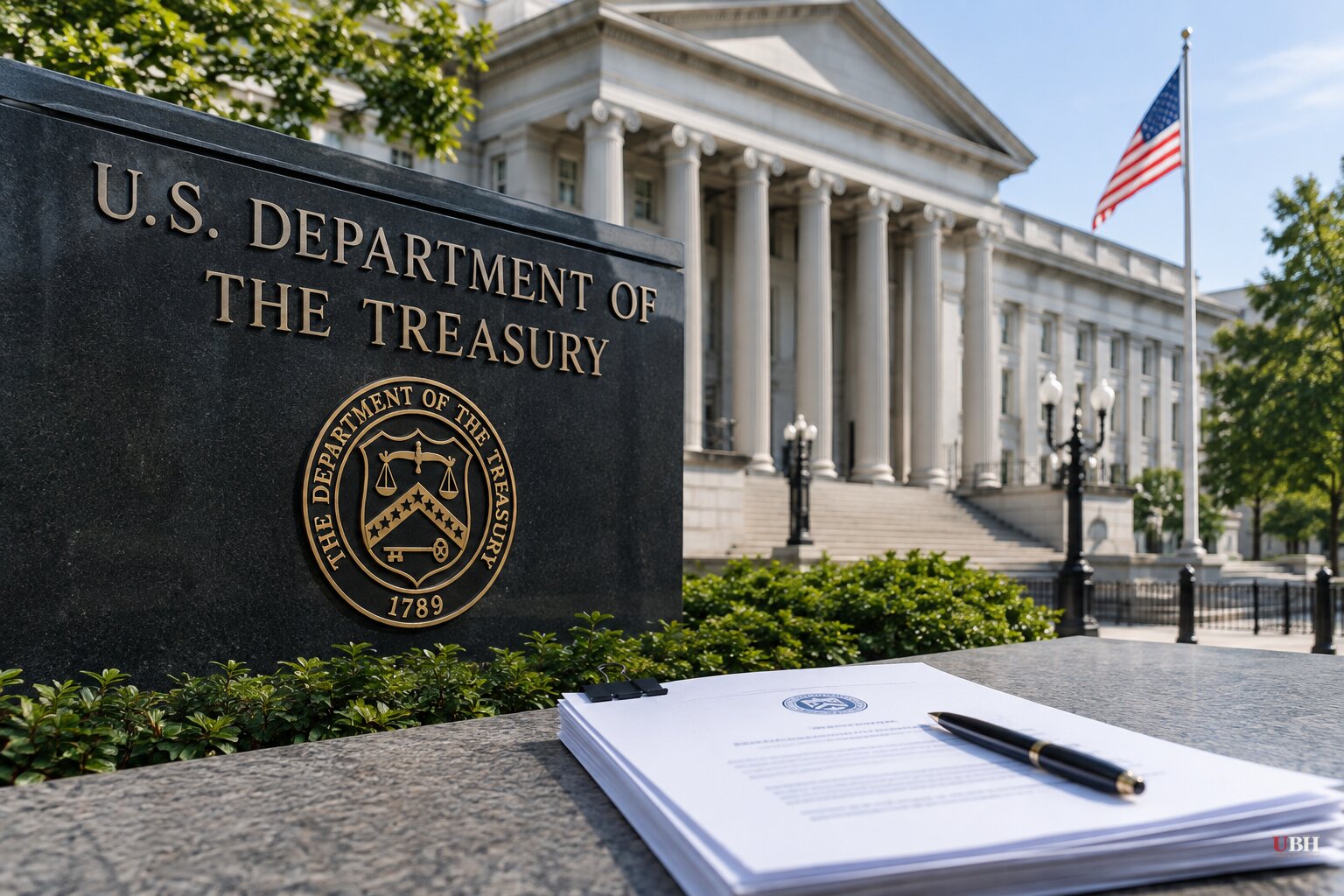
The U.S. Treasury Department is set to publish a proposed rule today, Oct. 22, that would bar large institutional investors from buying single-family homes starting Jan. 7, 2027. It carries out a provision of the ROAD to Housing Act, the bipartisan housing package that became law this summer.
The proposal covers investors who own around 350 homes or more. Purchases are prohibited unless they qualify as an excepted purchase. Build-to-rent programs, renovate-to-rent programs and homeownership programs are the listed exceptions.
The rule would also set civil penalties for institutional investors that buy homes outside those exceptions. It adds standards for build-to-rent projects and a safe harbor for renovate-to-rent purchases that bring homes up to code.
A 30-day public comment period follows publication. The rule went to White House review on Oct. 2 under tracking number RIN 1505-AC96.
What Treasury says
Treasury Secretary Scott Bessent framed the rule as a housing-supply measure. "Treasury is working to ensure American families and workers have a fair shot at purchasing homes in their communities by increasing housing supply and limiting large institutional investors' role in the market, while supporting a strong, stable housing market and avoiding unnecessary disruption," he said in a statement.
The law stopped short of blocking institutional investors that build or buy new single-family rental homes. Housing advocates applauded that choice.
How the law got on the books
The path was odd. Congress passed the ROAD to Housing Act, but President Trump never signed it. It took effect anyway because he did not veto it.
The New York Post reports Trump held back his signature to pressure Congress to pass the SAVE America Act, which would require proof of citizenship to vote. The Post also reports that Trump called the housing bill a "yawn" and worried it could hurt homeowners.
He later signed an executive order codifying some of the bill's requirements.
The restrictions drew support from both Democrats and Trump, according to the White House review record. Populists on the right and the left have long blamed investment firms such as Blackstone for pushing up home prices.
What the market data shows
The rule targets a shrinking slice of the market. Realtor.com's economics team found that total investor purchases fell 7% year over year in the first half of 2026 to 224,000 homes, the lowest first-half volume since 2020. Investors still accounted for 10.7% of all U.S. home purchases, down only 0.3 percentage points from a year earlier.
Mega-investor purchases are down 70% from their 2021 peak. Purchases by non-investors fell 34.3% over the same period.
Small investors took 66.2% of all investor purchases, their largest share in 15 years. Those buyers fall below the 350-home line and are not covered by the ban.
"Small investors are the stable floor beneath the more volatile institutional activity," said Hannah Jones, senior economist at Realtor.com.
The analytics firm Cotality found mega-investors still hold modest footholds in Texas (1.9% of purchases), Nevada (1.8%) and Georgia (1.3%).
The median investor purchase price was $295,000, which is 22.4% below the $380,000 market-wide median. Realtor.com said that price range puts small investors in direct competition with entry-level buyers in states such as Missouri, Montana and Mississippi, where each recorded small-investor shares of roughly 10% of purchases.
Cash purchases fell to 55.5% of investor acquisitions, down from about 68% in 2021 and 2022.
Builders say the pause was real
The industry cost of the policy fight is already visible. Kelli Lawrence, CEO of Indianapolis-based build-to-rent developer Onyx+East, said the legislative uncertainty disrupted capital markets last year. "It definitely put a pause on the capital markets," she said. "But the long-term demand and need didn't diminish in any way."
The exceptions carry much of the rule's weight. A narrow rule leaves build-to-rent capital in play. A loose one invites the workaround critics of the ban would expect from firms that want to keep buying.
What comes next
The 30-day comment window will show how developers, investors, housing advocates and homeowner groups react to the exceptions and the safe harbor. Treasury has to weigh those comments before the Jan. 7, 2027 start date. Whether the final rule keeps the proposed exceptions intact is the open question.
Sources used for this briefing
3 links from 3 independent newsrooms (syndicated copies of the same report count once)
These are the sources it draws on, linked so you can verify.


