
Unbiased headlines. Facts, not spin.
Every story is an unbiased news briefing written from 110+ sources across the spectrum — sources linked so you can verify it yourself.
 defense
Major Story (7/10)
July 26, 2026 at 05:36 PM
defense
Major Story (7/10)
July 26, 2026 at 05:36 PM
Treasury Let a Hong Kong Sanctions Order Lapse. Nine Officials Are Off the Hook, 39 Remain Listed
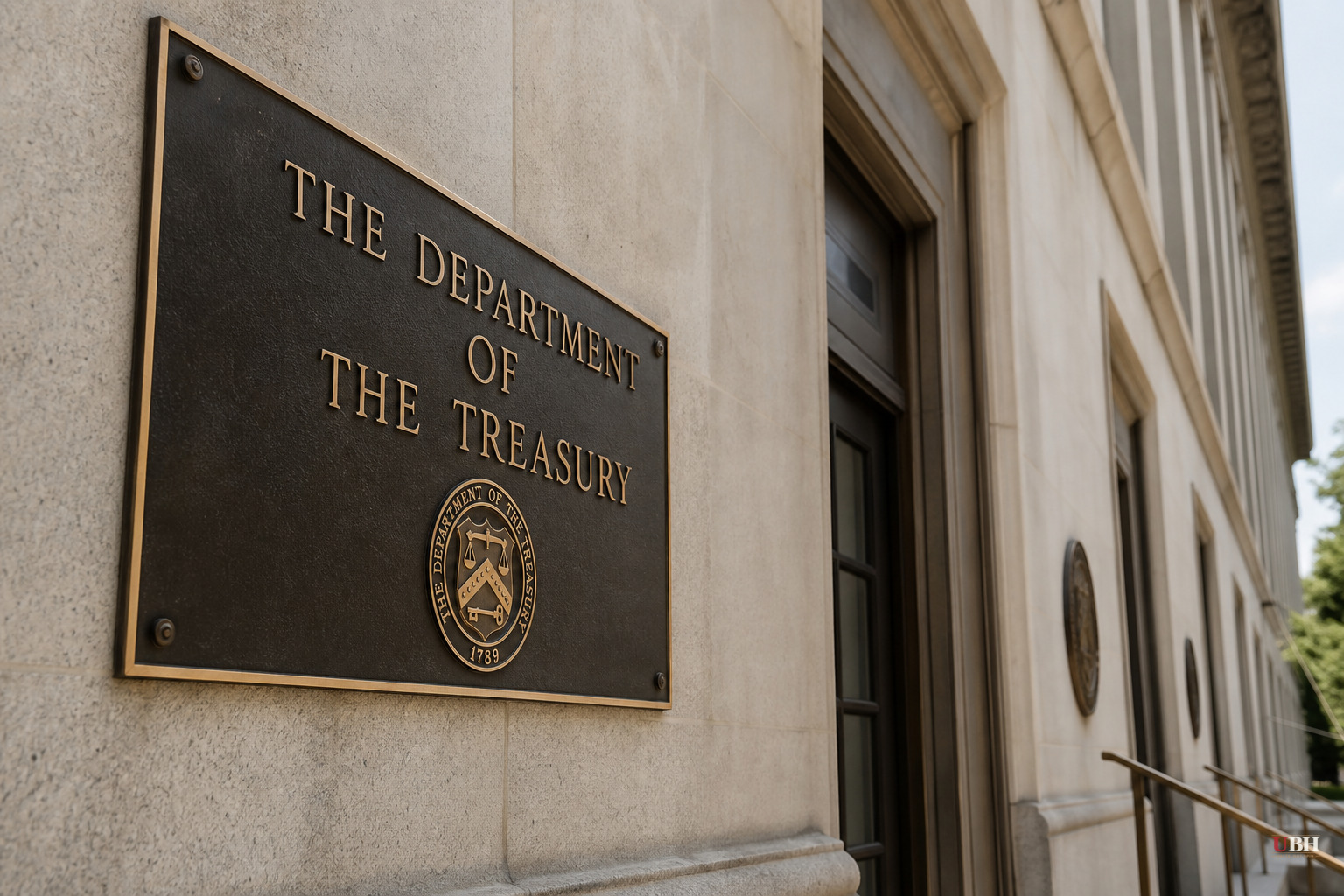
The Trump administration let a Hong Kong-related national emergency declaration expire on July 17, 2026. That expiration automatically dropped nine officials from the US Treasury's sanctions list, according to reporting from the South China Morning Post and thestandard.com.hk.
The officials taken off the list include Hong Kong's Secretary for Justice Paul Lam Ting-kwok, national security chief Dong Jingwei, former police commissioner Raymond Siu Chak-yee, national security committee secretary-general Sonny Au Chi-kwong, assistant commissioners Dick Wong Chung-chun and Margaret Chiu Wing-lan, former police chief Stephen Lo Wai-chung, and former Liaison Office deputy directors Qiu Hong and Yang Jianping, per thestandard.com.hk.
Thirty-nine other individuals, including former chief executive Carrie Lam, remain under sanction, according to both thestandard.com.hk and Secretary of State Marco Rubio's own public comments.
What Actually Happened, Legally
Trump signed Executive Order 13936 back on July 14, 2020, declaring a national emergency after Beijing imposed its national security law on Hong Kong following that year's pro-democracy protests, according to Crypto Briefing. That order was the legal foundation for six rounds of sanctions between 2020 and 2025 that eventually covered 48 officials.
Both Trump and Joe Biden renewed that emergency declaration every year it was up, according to the New York Post. This year, Trump's Treasury did not renew it, and it lapsed automatically. Treasury called it a "technical modernization," per the Post, and a Treasury representative told thestandard.com.hk the expired order "heavily overlapped" with the separate Hong Kong Autonomy Act of 2020, which remains in force along with the Hong Kong Human Rights and Democracy Act of 2019.
The New York Post's reporting adds a detail the other sources present differently: it says the move doesn't just delist nine people outright, it also downgrades 39 others, including Carrie Lam, to a "secondary list" that still gives them "significant access to the global economy." That framing paints the 39 remaining sanctions as weaker than they were before, not merely unchanged. Secretary of State Marco Rubio, by contrast, told reporters at an Asean summit in Manila on July 23 that sanctions on those 39 stay exactly as they are, with no changes in the "near future," and flatly said "there wasn't an easing of sanctions."
This is a real discrepancy. The Post's framing implies broader relief for the remaining sanctioned group; Rubio's on-record statement says the 39 are untouched. Neither the SCMP nor thestandard.com.hk reporting confirms a formal downgrade of the 39 to any "secondary list" status, and none of the sourcing here independently verifies the Post's specific claim.
Rubio's Explanation
Rubio said Trump let the emergency declaration expire because "circumstances had changed," without elaborating further, according to the South China Morning Post. He acknowledged the sanctions issue came up in his meeting with Chinese Foreign Minister Wang Yi, but maintained the underlying conditions justifying some of the sanctioned individuals' listings "no longer existed."
That's a reasonable position to state on its face. Expiring designations when the specific legal predicate lapses is standard sanctions-policy practice, and the administration's defenders would note the Hong Kong Autonomy Act and the Human Rights and Democracy Act both remain fully operative as separate legal tools. If the goal is legal housekeeping rather than favor-trading, letting an overlapping and redundant emergency order lapse while preserving the two dedicated Hong Kong sanctions statutes is defensible.
But the timing undercuts that explanation. The expiration came roughly two months after President Trump met President Xi Jinping on May 14, 2026, according to Crypto Briefing, in a meeting widely described as an effort to stabilize US-China relations. China's Ministry of Commerce publicly thanked Washington for the decision, calling it, per thestandard.com.hk, "a significant milestone in realizing the consensus reached during recent bilateral economic and trade discussions." Beijing doesn't celebrate housekeeping. It celebrates concessions.
The Jimmy Lai Problem
The New York Post ties the decision directly to the case of Jimmy Lai, the pro-democracy publisher who was sentenced to 20 years for "conspiracy to commit collusion with foreign forces" over running a newspaper critical of Beijing. Lai remains in custody, elderly and ill, while the men who enforced the crackdown that jailed him just had their US financial restrictions lifted.
What Happens Next
Crypto Briefing reports that Hong Kong's own regulatory ambitions, its licensing regime for crypto platforms launched in 2023 and spot Bitcoin and Ether ETF approvals in 2024, mean this sanctions shift could matter for how digital-asset capital moves between Hong Kong and the US, though nothing in the current reporting shows a direct policy link beyond timing.
Several members of Congress have already signaled they may push legislation to codify the remaining Hong Kong sanctions into permanent law, according to Crypto Briefing, which would prevent any future administration from letting them quietly lapse again. Whether that effort gains traction, and whether the State Department restores the nine delisted names through its Hong Kong Autonomy Act reporting process as the Post suggests it legally could, remains unresolved as of this writing.
Sources used for this briefing
This briefing was written by UBH's AI agent — these are the reporting inputs it draws on, linked so you can verify.


