
Unbiased headlines. Facts, not spin.
Unbiased Headlines is an independently owned news organization. We bring you the facts, not opinions, written fresh from 110+ named sources. Sources linked so you can verify it yourself.
 health
Notable (6/10)
Tigray Hospitals Overwhelmed as Ethiopia Fighting Resumes, WHO Chief Warns of Health System Collapse
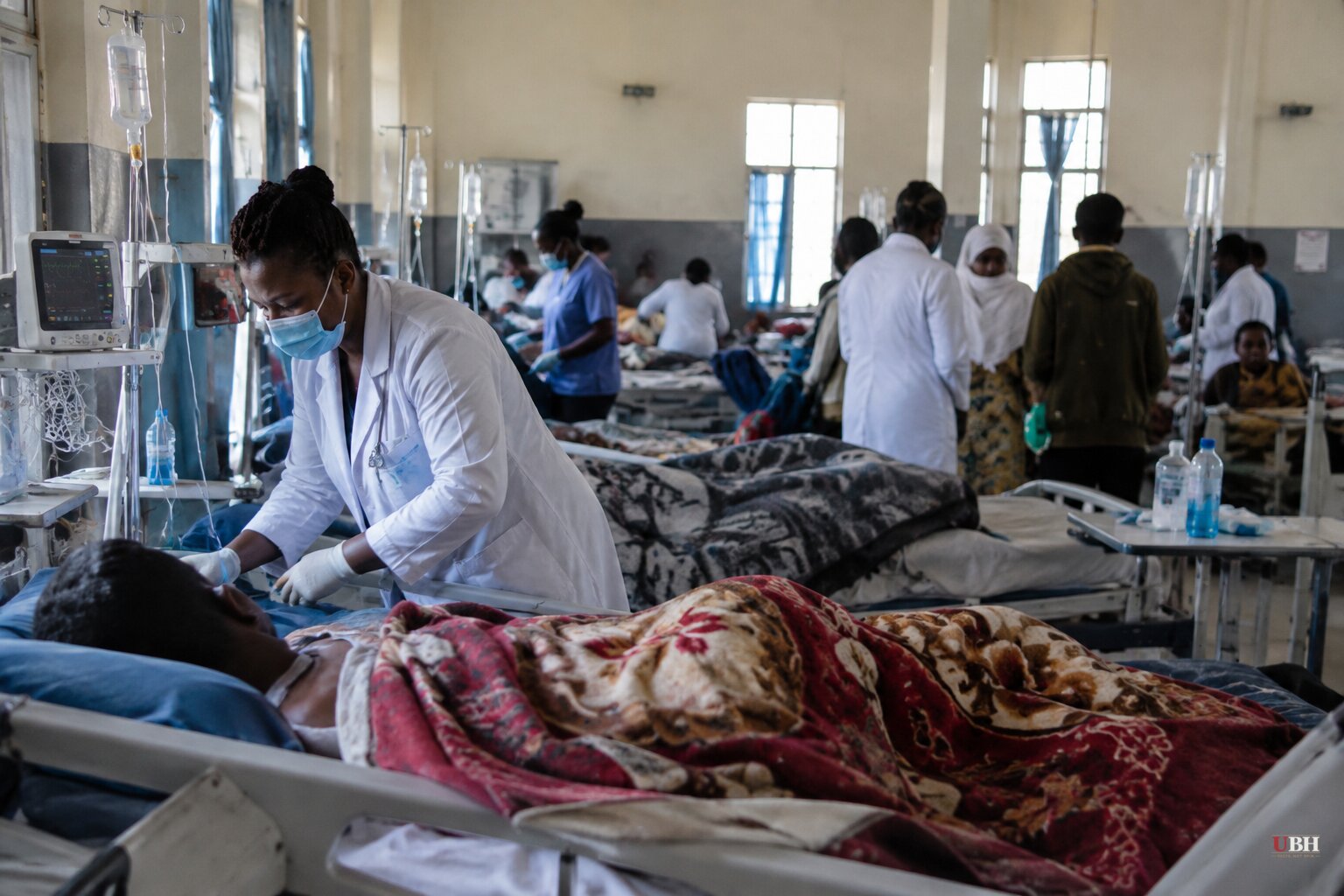
A surgeon in Mekelle, the capital of Ethiopia's Tigray region, describes the first week of renewed fighting in one word: chaos.
"It was a mess, it was chaos, and that continued for almost seven, eight days. Without (cell) network, without electricity," he told NPR. He asked not to be named because he fears repercussions for treating rebel fighters.
A ceasefire unravels
On September 24, a two-year ceasefire between rebels and the Ethiopian government began to collapse. Injured people streamed in from the countryside to the hospital where he works.
"The whole emergency (room) was flooded with war trauma patients," he said. "The floors were all filled up, there was no place to step."
He spent days operating on victims of gunfire, drone attacks and mortar shells. Some were clearly civilians. Others were fighters in uniform.
Staff had no way to know how many patients to expect because cell service and the internet were cut. "We don't know where they're from — you just go ahead and do whatever you can, you know?" he said.
A 10-year-old girl named Betelhem was among the wounded. She was injured in heavy artillery shelling in Alamata and was photographed on Oct. 6 at Ayder Referral Hospital in Mekelle, lying on a bed next to her father.
Weeks of continued violence
The fighting has not stopped. Over the past several weeks, violence has continued at a steady pace, and there are renewed fears that Ethiopia could slide back into the civil war that ran from 2020 to 2022.
The Ethiopian military has accused Sudan, Egypt and Eritrea of backing Tigrayan militants. Those militants have aligned themselves with seven rebel groups in Ethiopia. Their stated goal is to oust Prime Minister Abiy Ahmed.
Drone strikes in late October killed at least 15 people, including children.
After those strikes, World Health Organization Director-General Tedros Adhanom Ghebreyesus posted on X that the violence in northern Ethiopia "is pushing an already fragile health system closer to collapse."
He wrote that hospitals face shortages of workers, medicine and ambulances. WHO and the U.N. are working to deliver medical supplies to the affected regions.
"As fighting continues, more people are likely to lose access to essential healthcare … civilians must be protected," Tedros wrote. "The most courageous choose peace."
The issue is personal for him. Tedros is Tigrayan and previously served as Ethiopia's minister of health.
Warning signs and unpaid doctors
The collapse of the ceasefire did not come out of nowhere. In May, Tigrayan rebels ousted regional leaders and installed their own. Ethiopia's federal government responded by cutting funds to Tigray, including money for hospitals run by the regional administration.
The surgeon says doctors have not been paid in months. That is his account, and the federal government has not been quoted disputing it. Still, hospitals short on staff, medicine and ambulances were already stretched before the first shells fell in September.
"It's an open wound, which was never closed, you know. Left for healing and never healed," he said. "I guess now it's infected."
Hospitals as targets
Public health experts say targeted attacks on healthcare, generally considered a war crime, have become a growing concern in conflict zones around the world.
In Tigray, the practical problem is simpler. The surgeon's hospital absorbed a surge of trauma patients with no power, no phones and no way to know how many were coming. Doctors there treated fighters and civilians alike.
The surgeon's fear of retaliation for treating rebel fighters shows how contested that work has become. The Ethiopian military's accusations against Sudan, Egypt and Eritrea show the dispute is no longer confined to Ethiopia's borders.
What comes next
The federal government's funding cut to Tigrayan hospitals, imposed after the May ouster of regional leaders, remains the central unresolved pressure on the region's medical system. Whether money reaches those hospitals, and whether doctors get paid again, will decide how much capacity is left if the fighting continues. WHO and the U.N. say they are working to get supplies in, but the fighting cut off the electricity and communications those hospitals depend on in its first days.
Sources used for this briefing
7 links from 1 independent newsroom (syndicated copies of the same report count once)
These are the sources it draws on, linked so you can verify.


