
Unbiased headlines. Facts, not spin.
Unbiased Headlines is an independently owned news organization. We bring you the facts, not opinions, written fresh from 110+ named sources. Sources linked so you can verify it yourself.
 health
Notable (6/10)
Event date: November 3, 2026 ·
Physician Groups Ask CMS to Delay Jan. 1 Start of Mandatory Medicare Specialty Payment Model
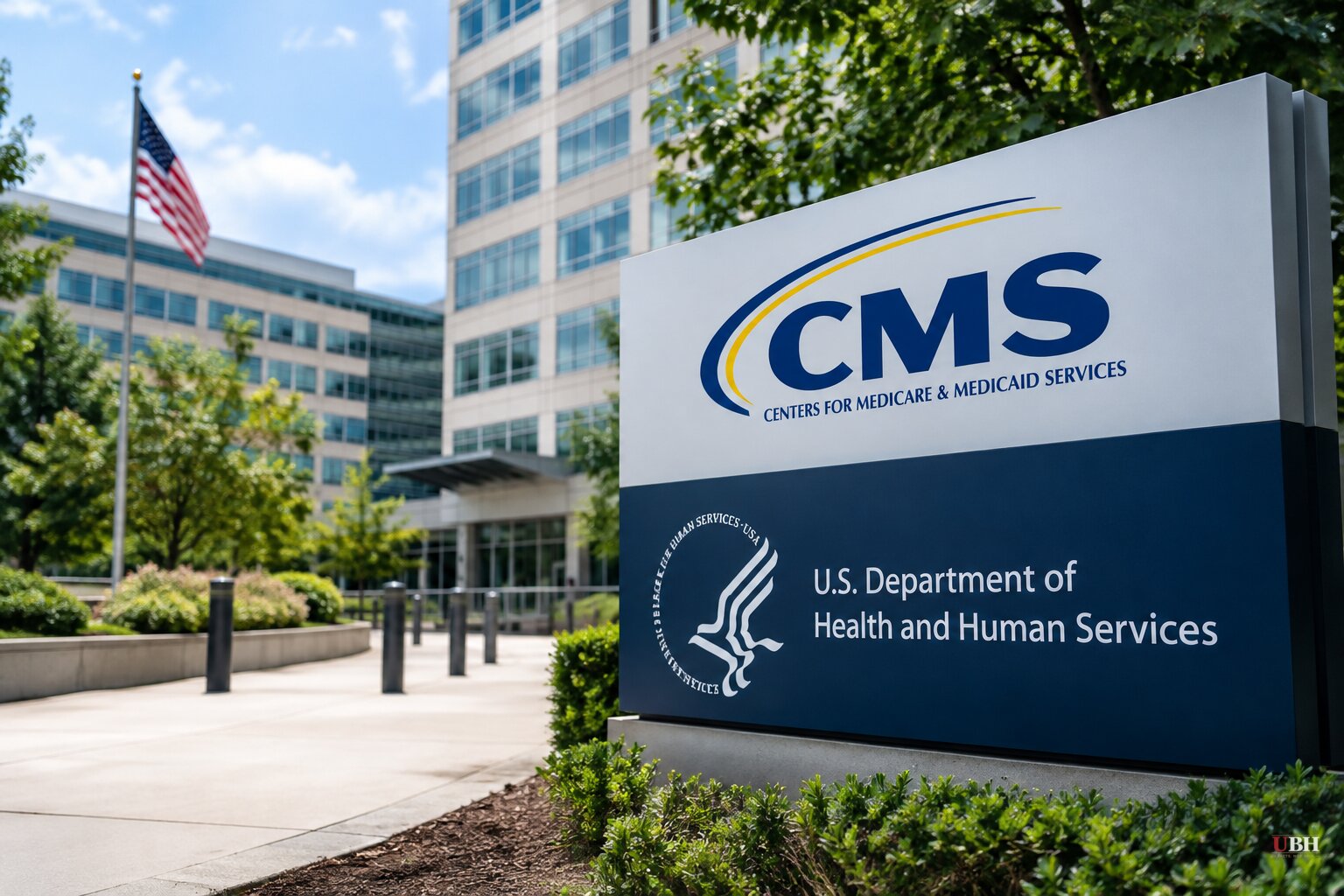
Less than eight weeks before Medicare's Ambulatory Specialty Model (ASM) is due to start, the doctors and hospitals it will govern are asking CMS to hit pause.
In an Oct. 27 letter to CMS Deputy Administrator Abe Sutton, the American Medical Association, the American Hospital Association, the American Medical Group Association, the Medical Group Management Association and the National Association of Accountable Care Organizations, among others, asked for a delay. They want it until "significant operational and technical issues" are fixed.
What the model does
ASM is a mandatory, five-year Medicare demonstration set to begin Jan. 1. It covers specialists who treat heart failure and low back pain in 235 geographic areas. Doctors who treat as few as 20 patients with either condition are placed in it automatically.
Participants will get a positive, neutral or negative adjustment on future Medicare Part B claims. CMS says that covers any Medicare-covered professional service for any Medicare patient, not just those with back pain or heart failure. The adjustments run from -9% to +9% in the first two years and widen to -12% to +12% by the final year.
Scoring is a tournament. Each doctor is measured against peers rather than a fixed benchmark.
CMS says the aim is to fix fragmented care for chronic disease patients. In its words, ASM will reward participants "for improving patient health outcomes and coordinating with primary care providers." It lists success as fewer avoidable hospitalizations and unnecessary procedures, better patient experience and lower costs to Original Medicare.
An analysis from the physician-finance site MedMoneyGuide puts the participant list at 5,556 physicians: 2,215 cardiologists and 3,341 spine, pain, orthopedic, anesthesia and PM&R doctors. Its example: a physician with $300,000 in Part B payments could see up to $27,000 move in either direction in the first year.
The readiness complaints
The signatories say the rollout itself has gone wrong. Their letter lists a late final participant list, delayed access to the ASM portal, trouble logging in or delegating authority inside it, and slow answers from subject matter experts.
The final participant list was published Sept. 15. That was about two months later than the calendar year 2026 Physician Fee Schedule final rule indicated.
The groups also say help desks are not responding in time to questions from participants and the administrative staff supporting them. Multiple help desks, they say, make it harder to get answers. They credit CMS for webinars and education materials but say those "do not address all participant and stakeholder questions."
If CMS will not delay the start, the groups ask that participants "not be subject to downside financial risk for the initial performance period while operational infrastructure stabilizes."
They say they do not oppose the model. They argue a delay and a penalty moratorium would "protect the integrity of the model's evaluation."
The design objections
Some critics go well beyond timing. AMA CEO John Whyte, MD, told CMS in a comment letter on the proposal that it "guarantees that most participating physicians will see their payments cut no matter how well they perform on the measures." The AMA urged CMS to make the model voluntary and set a performance standard in advance.
Harold Miller, president and CEO of the Center for Healthcare Quality and Payment Reform, calls the program "remarkably bad." He notes it is the first Medicare physician payment model with a "redistribution percentage" below 100%. More physicians will therefore get cuts than increases.
Miller says CMS's innovation center built it that way to guarantee savings. His reasoning: most other innovation center models have ended up increasing Medicare spending. "They will get a pay cut if they get a slightly lower score than the majority of the other physicians in ASM, even if they are delivering high-quality care," he said.
MedMoneyGuide puts the 2027 payback at about 85 cents in bonuses for every dollar of cuts. CHQPR's report argues the model will reduce access for tens of thousands of beneficiaries and raise Medicare spending.
The American College of Cardiology determined later in 2026 that many cardiologists on the participant list should not have been included under the model's state requirements, according to reporting on the CHQPR findings. Many listed physicians were also unaware they were participants.
CMS's own framing is fiscal. In announcing the final 2027 Physician Fee Schedule on Nov. 4, the agency said it was "reinforcing fiscal stewardship across Medicare." Administrator Mehmet Oz said fee-for-service payment has "rewarded volume over value, fueling a reactive system of sick care."
A rough payment season for doctors
The same fee schedule cuts the conversion factor for most physicians by 2.31% in January, from $33.40 to $32.63. That is deeper than the 1.68% cut CMS proposed in July. Most of the drop comes from the expiration of a one-year 2.5% bump Congress provided for 2026.
The ASM is separate from that cut, but the same doctors face both.
What comes next
CMS has not publicly responded to the delay request. ASM begins Jan. 1 with a participant list that was finalized Sept. 15. According to MedMoneyGuide's reading of the model's structure, 2027 performance would drive Part B adjustments in 2029. Whether the agency grants a delay, or a no-penalty first year, is the open question for the thousands of physicians already on the list.
Sources used for this briefing
6 links from 6 independent newsrooms (syndicated copies of the same report count once)
These are the sources it draws on, linked so you can verify.


