
Unbiased headlines. Facts, not spin.
Unbiased Headlines is an independently owned news organization. We bring you the facts, not opinions, written fresh from 110+ named sources. Sources linked so you can verify it yourself.
 health
Notable (5/10)
Duckworth Bill Would Give VA 180 Days to Assess Toxic Hazards in New Combat Zones and Adds Iran
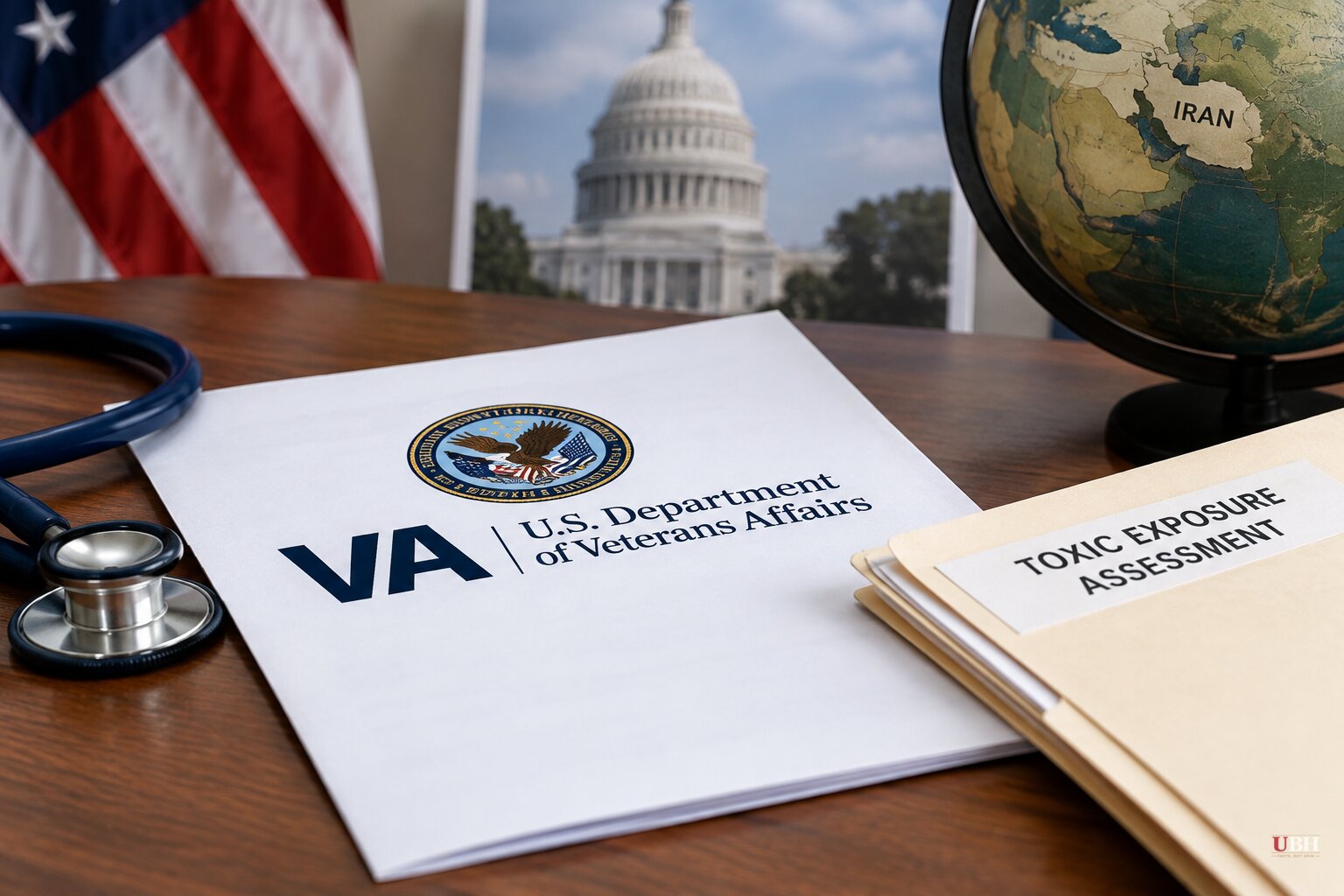
Sen. Tammy Duckworth, D-Illinois, is introducing legislation today, Nov. 10, that would put a deadline on how fast the Department of Veterans Affairs must figure out what toxic hazards troops face in new combat zones.
The bill gives the VA 180 days to assess hazards in any new combat zone where U.S. troops serve. Hazards can include intense pollution, radiation or chemicals. The VA would then recommend whether troops who served there should be presumed exposed, which opens the door to health care and disability compensation.
The gap the bill targets
Right now, there is no clear mechanism for adding a new combat zone to the list of more than a dozen countries and territories where troops are already presumed to have been exposed to toxic substances.
That presumption matters. It lets a sick veteran get care and compensation without carrying the burden of proving exposure on an individual basis. Veterans of the burn pit era know how long that fight can take.
The bill also requires the VA to revisit overseas assignments at least once every five years to look for hazards that were missed the first time.
Iran added up front
Duckworth's bill would add Iran to the list of covered combat zones now, as what her outline calls a proactive measure. No specific toxic threat in Iran has been identified.
The provision instead covers potential exposure to environmental hazards as the conflict continues. The possibilities include damaged oil facilities, chemical spills or the use of chemical weapons.
"With a new generation of troops being thrown into another war in the Middle East, our nation must learn the lessons from previous conflicts and proactively ensure Iran Veterans don't suffer from those same mistakes," Duckworth said in a statement.
The PACT Act baseline
The proposal expands on the 2022 PACT Act, which opened VA care and benefits to millions of veterans after years of pressure from veterans groups and advocates such as comedian Jon Stewart. Stewart had earlier pushed for similar help for sick 9/11 first responders.
The PACT Act was one of the largest expansions of veterans' health care and disability benefits in U.S. history. The Congressional Budget Office estimated nearly $280 billion in new spending over a decade.
Demand has been heavy. According to agency records, the VA had approved 1 million claims for health care and disability compensation under the law by May 2024.
What is unsettled
The bill's price tag is an open question. No cost estimate accompanied the announcement, and the VA is already administering a benefits expansion that dwarfs most programs of its kind. Taxpayers will want a number before the Senate votes.
There is also a design question. Under the bill, the VA would be recommending presumptions for places where, in Iran's case, no hazard has been named. The 180-day clock and the five-year review are the mechanisms Duckworth proposes to keep the list from growing by guesswork. How the VA would set the evidence threshold for a presumption is not spelled out in the outline.
The case for acting early is simple. Veterans of earlier wars waited years for the government to acknowledge what made them sick, and a deadline in statute would replace the current absence of any process. The VA has not publicly responded to the proposal, and no committee has scheduled it for consideration.
The next step is the bill's referral to committee, where lawmakers can ask the VA how many troops are serving in the Iran theater, what hazards it has already looked at, and what a presumption would cost.
Sources used for this briefing
2 links from 2 independent newsrooms (syndicated copies of the same report count once)
These are the sources it draws on, linked so you can verify.


