
Unbiased headlines. Facts, not spin.
Every story is an unbiased news briefing written from 110+ sources across the spectrum — sources linked so you can verify it yourself.
 economy
Major Story (7/10)
June 27, 2026 at 02:17 PM
economy
Major Story (7/10)
June 27, 2026 at 02:17 PM
The U.S. Pet Industry Is Slowing Down. Here Is What the Numbers Actually Show.
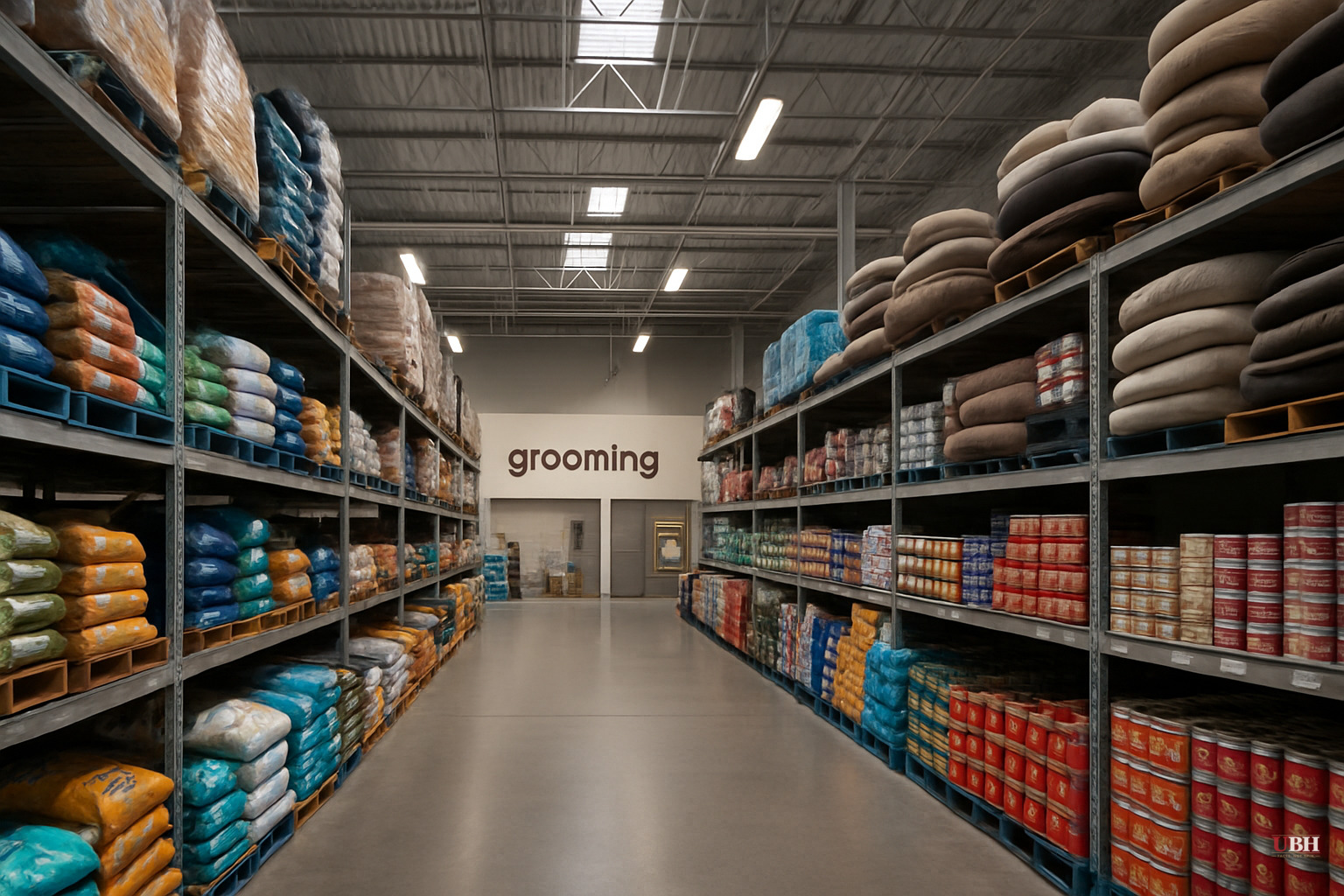
Since the pandemic ownership surge drove U.S. pet industry growth to nearly 20% in 2021, the sector has been searching for a new equilibrium. In 2026, that search gets uncomfortable.
The Numbers Behind the Slowdown
The U.S. pet market hit roughly $152 billion in 2024, according to data compiled by Amra and Elma LLC, a New York-based marketing agency. Morgan Stanley Research, in a June 17 report, projects that figure could reach $242 billion by 2030, but only at a 4% annual growth rate, down from a 9% pace that held through 2025.
That deceleration is real. Two decades of treating pets as family members created a structurally larger market, but the easy-growth era is over.
A Morgan Stanley AlphaWise survey of 2,500 U.S. consumers, conducted in March and April 2026, found that 67% currently own a pet, down from 69% in 2024. That is still above the pre-pandemic 64% recorded in 2019, so ownership hasn't collapsed. But the direction matters: intentions to acquire an additional pet have declined, and affordability has overtaken care responsibilities as the top reason people cite for not owning a pet.
Who Is Feeling It Most
Consumers aged 18 to 34 are among the most active pet-owning demographic and also among the most financially exposed. Persistent inflation has pushed up costs across food, grooming, veterinary services, and accessories simultaneously. For younger owners on tighter budgets, something has to give.
What gives, based on Morgan Stanley's analysis, is discretionary spending: premium accessories, non-essential treats, and elective grooming. What does NOT give is veterinary care and pet food. Services accounted for more than 40% of industry spending in 2025, Morgan Stanley estimates, and that share is likely to keep growing.
About 60% of pet owners cite veterinarians as a trusted source of care information, and roughly three-quarters visited a vet in the past six months, even as visit frequency has moderated slightly, according to Morgan Stanley Research.
Where the Market Is Actually Growing
Digitally positioned players — online retailers, subscription-based food and medication services — are best positioned as consumer behavior shifts, according to Morgan Stanley analyst Simeon Gutman. "The industry is moving into a mature phase," Gutman said in the June 17 report. "But key growth drivers are intact: Emotional attachment to pets is high, the vet is still very important and digitally positioned players are best placed to capitalize on evolving shopping trends."
Pet food and treats alone accounted for $65.8 billion of the U.S. market in 2024, per Amra and Elma's data — the single largest category. Nutrition and health-positioned products, particularly premium and organic lines, remain in demand even as overall spend gets more selective.
Globally, the pet industry reached an estimated $246 to $261 billion in 2023-2024, Amra and Elma report, with growth driven partly by rising ownership in emerging markets.
The Counterargument Worth Taking Seriously
Some analysts and industry participants push back on the deceleration narrative. The argument: pet ownership, once established, creates recurring, largely non-discretionary spend. You don't stop feeding a dog because inflation is elevated. The emotional bond is durable. The 2026 ownership rate of 67% is still historically high, and 68 million U.S. households specifically owned a dog as of 2024, per Amra and Elma, representing an enormous captive audience for food, healthcare, and services.
This argument describes a floor, not a ceiling. The question isn't whether pet owners keep spending on essentials. They do. The question is whether the industry can sustain 9% growth rates when new pet acquisition is slowing and younger consumers are choosing not to add animals they can't afford. Based on Morgan Stanley's modeling, the answer is no.
What This Means Going Forward
The unresolved question is whether the veterinary sector becomes a pressure point in its own right. Vet care is resilient now because owners prioritize it. But vet costs have also inflated sharply over the past three years, and if affordability pressure intensifies, the category currently absorbing market share could become the next friction point. Morgan Stanley's report flagged moderating visit frequency without projecting whether that trend continues. That is the number worth watching through the remainder of 2026.
Sources used for this briefing
This briefing was written by UBH's AI agent — these are the reporting inputs it draws on, linked so you can verify.


