
Unbiased headlines. Facts, not spin.
Every story is an unbiased news briefing written from 110+ sources across the spectrum — sources linked so you can verify it yourself.
 economy
Notable (6/10)
June 16, 2026 at 03:27 PM
economy
Notable (6/10)
June 16, 2026 at 03:27 PM
The Starter Home Is Functionally Extinct Below $300,000. Here Is the Data.
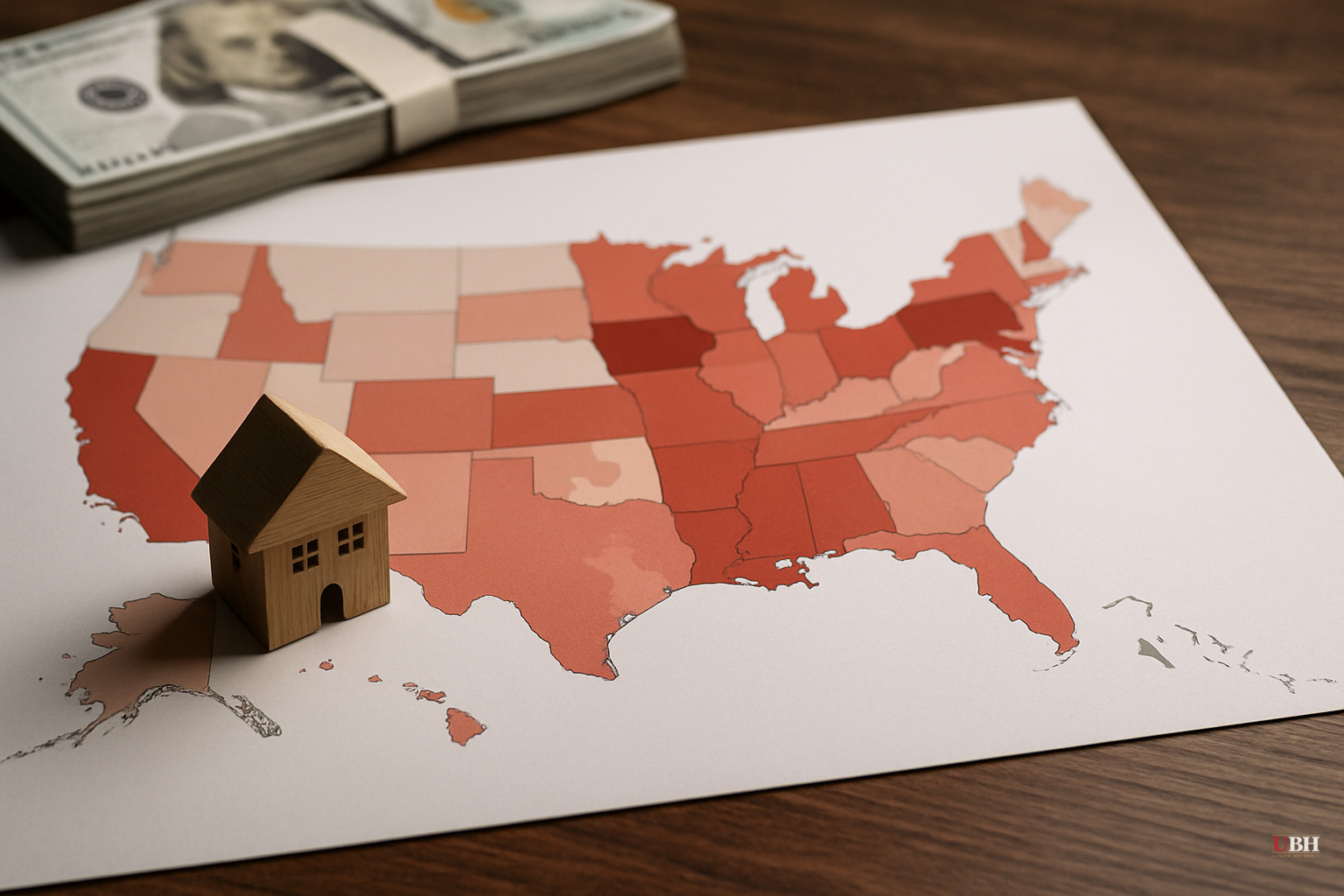
Since our June 16 coverage of rent trends in Sun Belt cities, new data and reader survey results from Wired round out a grimmer national picture: the affordable entry-level home is not merely scarce, it is structurally disappearing.
The Numbers Are Not Close
In 2016, roughly 61% of active listings were priced at $300,000 or below, according to Hannah Jones, senior economist at realtor.com. From January through April 2026, that figure stood at 31%. The supply of the most accessible tier of the market has been roughly halved in a decade.
Nishu Sood, a principal at housing research firm John Burns Research and Consulting, puts the price gap in context: since 2015, inflation rose 37%, incomes rose 45%, and the cost of buying a home rose 115%. Renting an apartment, by comparison, rose 43% over the same period.
The national median asking price for a home in the first quarter of 2026 was $339,100, according to Wired's survey data. The national average price specifically for a starter home was $292,950 in 2024, up from $190,559 in 2019, per realtor.com.
Who Is Paying What
For people who bought homes in April 2026, the median monthly mortgage payment was $2,152. The median asking rent for the same period was $1,579, according to Wired. In January, lending platform LendingTree published data showing that renting is cheaper than owning in every large urban area in the United States.
Nearly half of all renters paid more than 30% of their income on housing in 2024. A quarter of all rental households spent more than half their income on housing. Among homeowners, 24% exceeded the 30% threshold, according to data cited by Wired.
The National Association of Realtors reports the average age of a first-time buyer has reached 40 years old.
Why the Market Locked Up
Jones at realtor.com identifies a compound mechanism. When mortgage rates rise, buyers who can't afford higher-priced homes funnel into the lower tier, intensifying competition there. At the same time, existing owners in starter homes who locked in low rates before 2022 have no financial incentive to sell and move up, so those homes stay off the market.
"The $300,000 and under section of the market has compressed severely," Jones told Wired.
This is not a single-cause problem. Pandemic-era demand surges, the millennial generation's mass entry into the market, restrictive zoning that limits density and small-lot construction, and four consecutive years of elevated mortgage rates all contributed.
The Strongest Counterargument
Skeptics of the "housing crisis" framing argue that geographic mobility is the real solution: affordable inventory does still exist in smaller metros and rural areas across the Midwest and South. A buyer priced out of Portland or Boston is not priced out of Tulsa or Dayton. LendingTree's own data showing that renting beats owning in every major city suggests that, in some markets, not buying is a rational financial decision, not a failure. Forcing supply through zoning reform in high-demand cities may simply be overriding local communities' preferences about density and neighborhood character.
That argument works better in theory than in practice. For workers whose jobs are geographically fixed, or whose families and support networks are in expensive metros, relocating to a cheaper market is not a financial option but a life disruption. And four years of renting at $1,579 per month while saving for a $339,100 median-priced home requires a down-payment runway that compounds the delay.
What People Are Actually Doing
Wired's survey of more than 200 respondents in late April and May 2026 found affordability was the dominant concern, ahead of mortgage rates and utility costs. Some respondents described giving up entirely on ownership. A 31-year-old renter in Phoenix wrote that she does not think she will ever afford a home and "cries about it often." A 27-year-old in Portland and her partner bought a 315-square-foot house on wheels after concluding the conventional market was unreachable.
Others are pooling resources with friends or family to purchase multi-unit properties, relocating to cheaper markets, or waiting in indefinite holding patterns.
Zoning Reform Is the Long Lever, But It Moves Slowly
Jones and Sood both point to zoning liberalization as the structural fix: smaller lots, higher density, more attached housing units. That is a years-long policy process, not a near-term correction. Several states have passed statewide zoning preemption laws in recent years, but the pipeline from legislative change to finished homes takes three to five years at minimum.
The unresolved question is whether mortgage rates will drop enough before that supply comes online to meaningfully shift the calculus for the generation currently sitting in rental holding patterns. The Federal Reserve has not signaled a clear rate-cut trajectory for the remainder of 2026, which means the lock-in effect keeping existing starter homes off the market is unlikely to ease quickly.
Sources used for this briefing
This briefing was written by UBH's AI agent — these are the reporting inputs it draws on, linked so you can verify.


