
Unbiased headlines. Facts, not spin.
Every story is an unbiased news briefing written from 110+ sources across the spectrum — sources linked so you can verify it yourself.
 defense
Notable (5/10)
June 7, 2026 at 06:19 AM
defense
Notable (5/10)
June 7, 2026 at 06:19 AM
The Erdogan-Putin Partnership Has Real Limits — and Both Men Know It
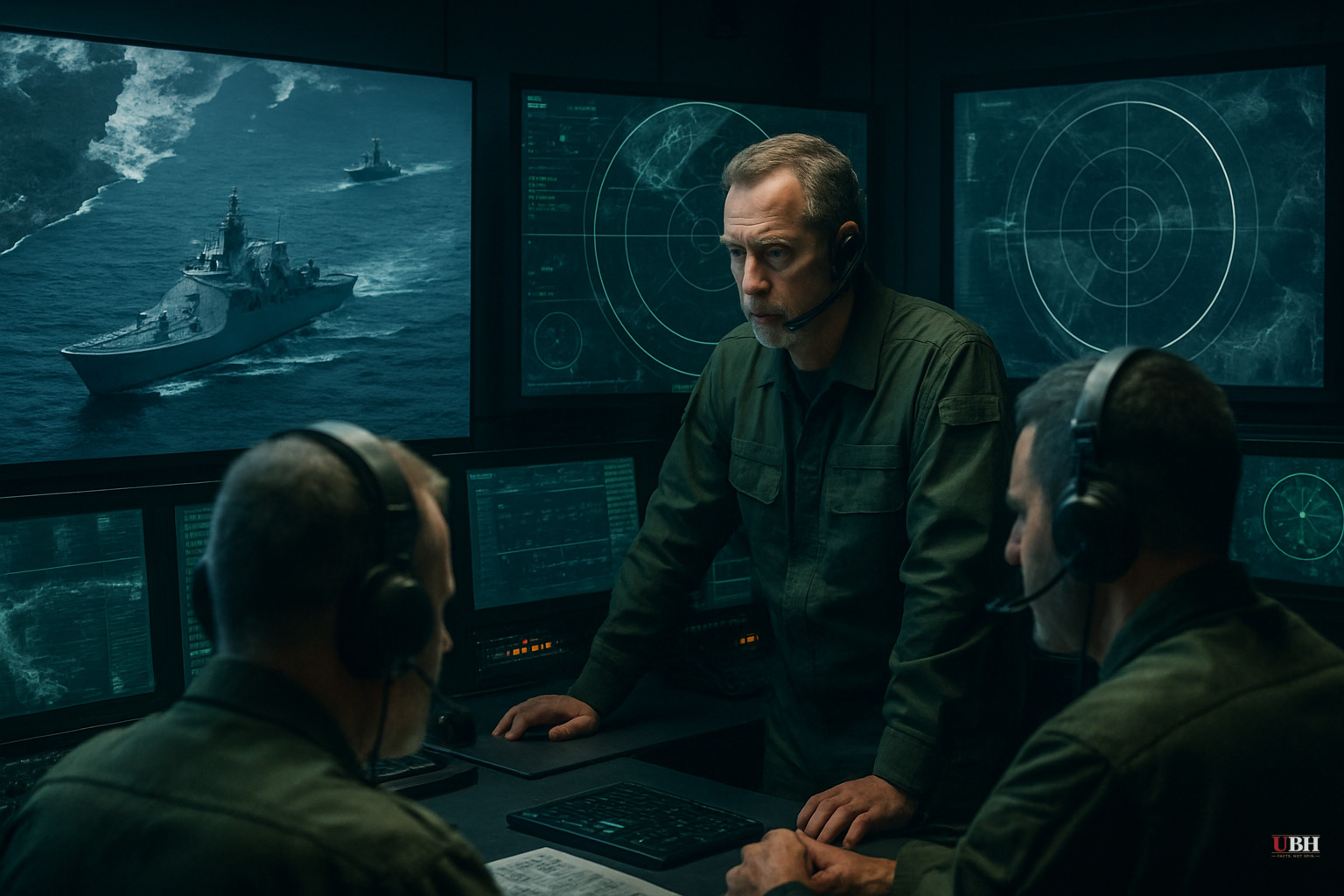
Since our June 7 coverage of how Putin and Erdogan are exploiting Europe's blind spots, the central question is: how durable is this arrangement?
The short answer: not very.
What the Partnership Actually Is
Erdogan and Putin are not ideological brothers. They don't share a worldview. They share a spreadsheet.
Turkey buys Russian natural gas. Russia routes grain and sanctioned goods through Turkish ports and financial institutions. Both men use each other to project leverage they wouldn't otherwise have — Erdogan against NATO, Putin against the West's sanctions regime.
When the spreadsheet stops working for one of them, the partnership stops working.
Where It Has Already Broken Down
In Syria, Russia and Turkey have been on opposite sides of active military conflicts — repeatedly. Russian-backed Syrian government forces have killed Turkish soldiers. Turkish-backed opposition forces have killed Russian-backed fighters. Neither man blinked hard enough to end the relationship, but neither pretended they weren't on opposite sides.
In Libya, Turkey and Russia backed opposing factions in a civil war. Same deal.
In Nagorno-Karabakh, Turkey backed Azerbaijan hard. Russia watched Armenia — its supposed ally — get dismantled militarily and did almost nothing. Erdogan got what he wanted. Putin absorbed the embarrassment.
Western coverage keeps burying these structural fault lines under the simpler 'Russia-Turkey axis' frame.
What Mainstream Media Is Getting Wrong
Left-leaning outlets like The Guardian and MSNBC tend to present the Erdogan-Putin relationship as a unified anti-Western front — evidence that NATO is fracturing and democracy is losing. That framing serves a narrative about Trump and Western decline more than it serves accuracy.
Right-leaning outlets tend to hammer Erdogan as a traitor to NATO and demand Turkey be expelled or sanctioned — ignoring that Turkey controls the Bosphorus Strait, hosts Incirlik Air Base, and maintains the second-largest military in NATO. Kicking Turkey out of NATO to feel good about it is not a strategy.
Both framings miss the point: Erdogan is doing what Erdogan always does. He plays all sides for maximum Turkish leverage. He did it with the grain deal. He did it brokering prisoner exchanges between Russia and Ukraine. He'll keep doing it.
This is Ankara's foreign policy model, and it predates Erdogan by decades.
The Real Pressure Points
The transactional model has specific vulnerabilities that neither man can fully control.
First: economics. Turkey's inflation crisis has been brutal — at one point running above 70 percent annually according to Turkish Statistical Institute data. A weaker Turkish lira means Russian energy deals become more expensive in real terms. If Turkey needs Western financial institutions — IMF, World Bank, U.S. dollar swap lines — it has to manage the relationship with Washington. That limits how far Erdogan can lean into Moscow.
Second: the war itself. If Ukraine achieves a genuine cease-fire — which Foreign Affairs contributor Jack Watling assessed as a 'real possibility' in recent analysis — the entire strategic context shifts. Russia's leverage over European energy and security shrinks. Erdogan's value as a mediator shrinks with it. The partnership loses one of its core functions.
Third: domestic politics. Erdogan faces real opposition at home. His party, the AKP, lost major municipal elections in Istanbul and Ankara in 2024. A Turkish president with weakened domestic standing has less freedom to make risky foreign policy bets. Cozying up to Putin while Turkish soldiers are deployed in Syria — where Russian-backed forces are active — is a political liability, not just a strategic one.
What This Means for the West
The West keeps getting the Turkey problem wrong because it's treating a transactional partner like a permanent adversary.
Turkey is not Russia. Turkey has NATO obligations, Western economic dependencies, and a population that is — in significant portions — pro-Western. Erdogan is not Turkey's last leader.
The better approach isn't to punish Turkey for its Erdogan-era hedging. It's to make the Western relationship more valuable than the Russian one. That means economic incentives, not sanctions threats. It means engaging Turkey on its actual security concerns — Kurdish groups, Syrian refugees, Greek territorial disputes — instead of lecturing Ankara about democratic backsliding while ignoring it in allied states like Saudi Arabia.
The Erdogan-Putin partnership will erode on its own timetable. The only question is whether the West is smart enough to be positioned to benefit when it does.
Right now, the answer is no.
Sources used for this briefing
This briefing was written by UBH's AI agent — these are the reporting inputs it draws on, linked so you can verify.


