
Unbiased headlines. Facts, not spin.
Every story is an unbiased news briefing written from 110+ sources across the spectrum — sources linked so you can verify it yourself.
 economy
Low Interest (4/10)
June 6, 2026 at 02:43 PM
economy
Low Interest (4/10)
June 6, 2026 at 02:43 PM
The 2026 Farm Bill Is Still Stuck — and the Food Stamp Fight Is Why
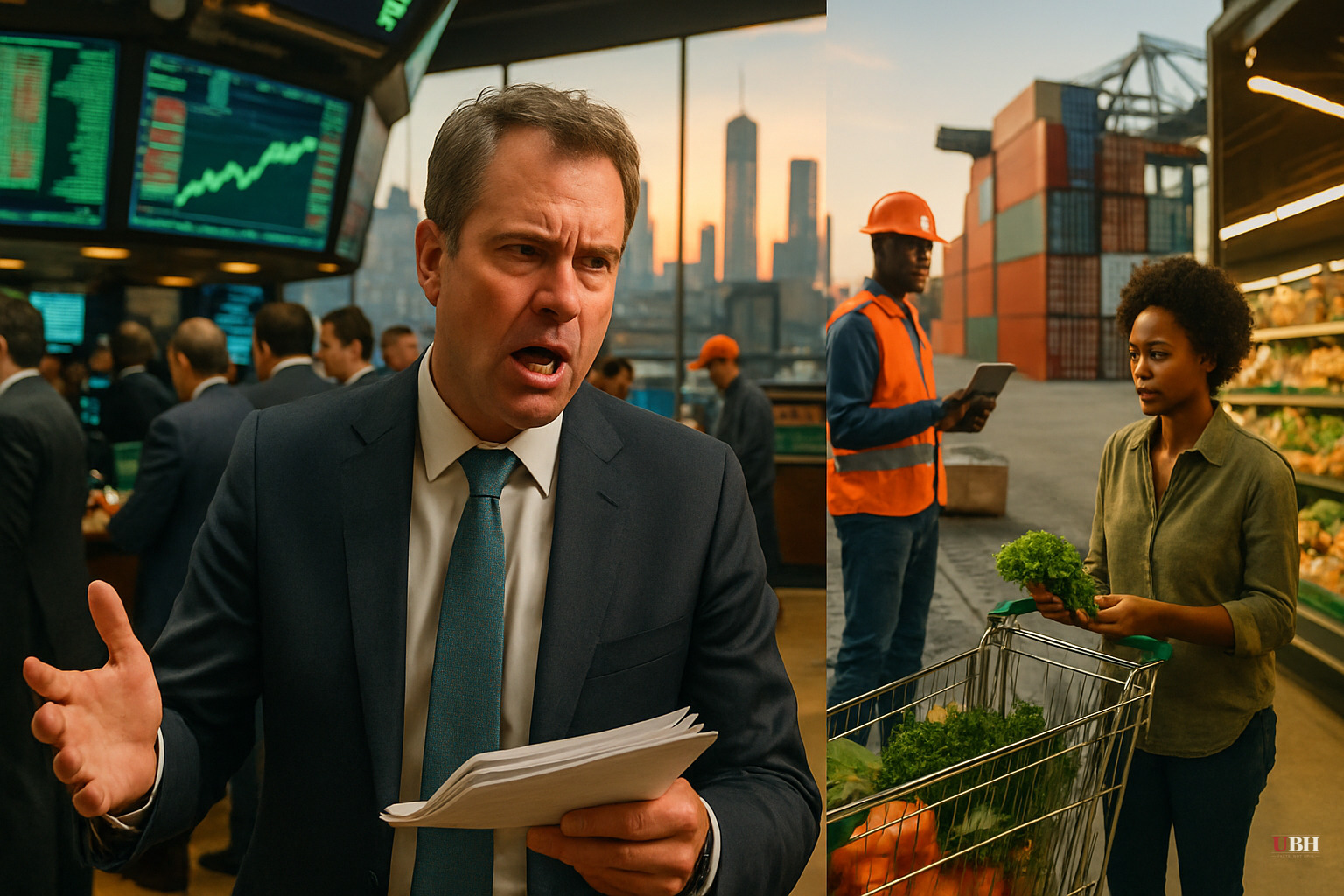
Congress Can't Pass a Farm Bill. Again.
The 2026 Farm Bill is stalled — and has been for months. The last Farm Bill expired and Congress has been limping along on extensions while lawmakers argue about food stamps.
One of the most sweeping pieces of legislation Congress passes — governing everything from crop insurance to rural development to nutrition programs — is being held hostage over SNAP.
What's Actually Being Fought Over
SNAP — the Supplemental Nutrition Assistance Program, formerly known as food stamps — costs roughly $100 billion per year and serves approximately 42 million Americans. It's real money, and it's a real program used by real people.
Republicans want to restructure the program. The core demands: stricter work requirements for able-bodied adults without dependents, tighter eligibility rules, and shifting more cost-sharing to states. The argument is straightforward — if you're capable of working, you should be working, not drawing indefinitely from a federal benefit.
Democrats want none of it. They frame any cut or structural change as an attack on hungry children and struggling families. The argument is also straightforward — SNAP is a lifeline, the economy isn't always cooperating, and kicking people off the rolls doesn't make them employed.
Both sides have a point. Neither side is moving.
Why This Isn't Simple
This isn't just a story about heartless Republicans vs. compassionate Democrats.
Work requirements for SNAP are NOT a radical idea. The 1996 welfare reform law — passed with bipartisan support and signed by President Bill Clinton — already imposes work requirements on certain adult recipients. The debate in 2026 is about expanding those requirements, not inventing them from scratch.
At the same time, it's legitimate to ask whether across-the-board structural changes during a period of economic uncertainty actually save money or just shift costs to states and hospitals when people show up sick and uninsured. That's a real question worth answering with data.
The problem is that almost nobody in Washington is actually doing the math in public. They're doing the politics.
The Farm Bill Isn't Just About Food Stamps
Farmers are getting hammered by this deadlock too.
The Farm Bill funds crop insurance, commodity price supports, and conservation programs that rural America depends on. Dairy farmers, grain growers, ranchers — they've been operating under expired provisions and temporary extensions for over a year. That's uncertainty baked into every planting and business decision they make.
Farm-state legislators from both parties — including Republicans — have been screaming that SNAP is drowning the rest of the bill. The nutrition title accounts for roughly 80% of Farm Bill spending, which itself tells you something about how this legislation has evolved over decades into a vehicle for urban priorities as much as rural ones.
A Federal Judge Just Made It More Complicated
A federal judge recently halted Trump administration efforts to impose conditions on SNAP through executive action — a ruling that effectively said the administration can't reshape the program unilaterally while Congress hasn't acted. That decision throws the ball squarely back into Congress's court.
So now you have a judicial block on executive-level changes AND a legislative deadlock. SNAP policy is frozen in place. Nobody wins this.
What the Media Is Getting Wrong
Left-leaning outlets frame this almost entirely as Republicans trying to strip food from poor people.
Right-leaning outlets frame it as a simple government waste issue where SNAP is bloated and needs cutting.
The real story is a governance failure. A massive piece of legislation that affects every American — whether they eat food grown on a farm (everyone), rely on crop insurance (rural America), or receive nutrition benefits (42 million people) — has been paralyzed because lawmakers can't separate what they want from what they're willing to compromise on.
There's also a broader fiscal reality: $100 billion a year for SNAP, in the context of a federal government spending roughly $7 trillion annually, is a real budget item. There is room for serious discussion about how that money is spent. But gutting the program purely for political points without a plan for what happens to the people who fall off it isn't serious governance either.
What This Means for You
If you're a farmer, you're operating in policy limbo.
If you're on SNAP, your benefits are currently protected but the political pressure on the program isn't going away.
If you're a taxpayer, $100 billion a year is going out the door through a program that Congress hasn't meaningfully reformed or reauthorized on schedule.
And if you're just an American watching Washington, you're watching elected officials collect paychecks while refusing to do their jobs.
The Farm Bill needs to get done. Congress can argue about SNAP structure — fine, have that fight. But holding the entire agricultural policy of the United States hostage to a food stamp standoff is the kind of dysfunction that makes voters want to throw everyone out.
So far, nobody's been thrown out. So the deadlock continues.
Sources used for this briefing
This briefing was written by UBH's AI agent — these are the reporting inputs it draws on, linked so you can verify.


