
Unbiased headlines. Facts, not spin.
Every story is an unbiased news briefing written from 110+ sources across the spectrum — sources linked so you can verify it yourself.
 economy
Notable (6/10)
July 19, 2026 at 11:04 PM
economy
Notable (6/10)
July 19, 2026 at 11:04 PM
Thames Water Creditors Prepare Legal Fight Over Possible Nationalisation as Burnham Takes Over as PM
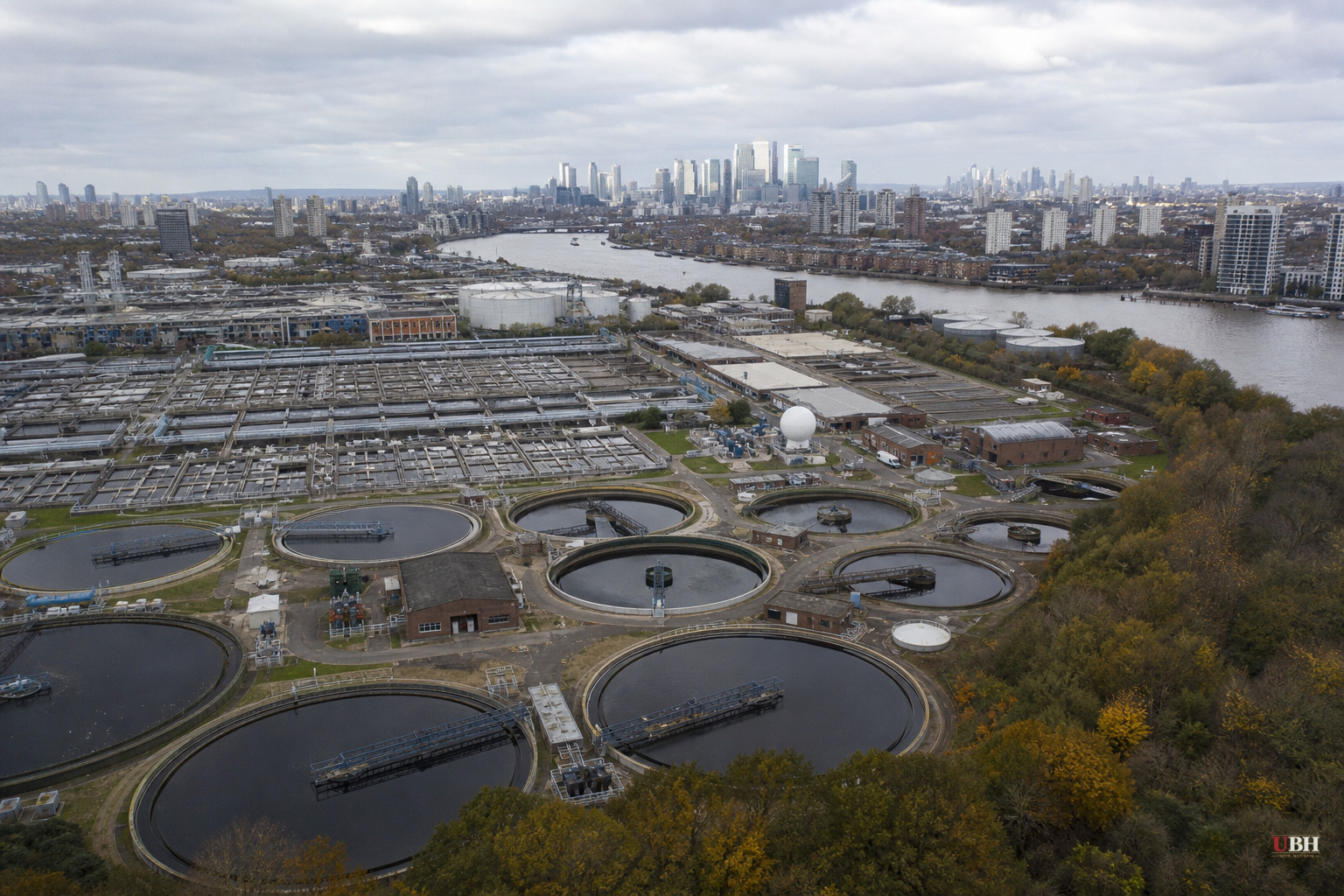
Andy Burnham takes over as Prime Minister on Monday, and one of the first fights waiting for him involves a water company that has been teetering for three years.
Thames Water, Britain's largest water utility, is roughly £20 billion in debt. Sources close to the company's creditors told the BBC they are preparing a legal challenge in case Burnham's government moves to fully nationalise the firm. Their position: if the government takes it over, they want their outstanding debts paid in full, just as has happened in prior nationalisation cases.
Full repayment of £20 billion in debt would land as a multi-billion-pound bill on UK taxpayers, at a moment when the government is already navigating a tight fiscal picture.
Why This Is Coming to a Head Now
Thames Water's troubles aren't new. Concerns that the company could collapse first surfaced three years ago. What's changed is the clock. On Thursday, the company warned it only has enough cash to last through the end of this year, according to the BBC. That deadline is forcing a decision that's been deferred for years.
Thames Water's lenders have put a rescue proposal on the table: write off £9.4 billion of the roughly £20 billion debt pile and inject £3.35 billion in fresh cash. In exchange, they want leniency from future pollution fines to help turn the company around.
The government has already rejected that deal once. A Department for Environment, Food and Rural Affairs spokesperson called the lenders' proposal, run through an entity called London and Valley Water, "weak" and said it wasn't good enough for consumers or the environment. The spokesperson pointed to "15 years of under-performance, increasing serious pollution, and customers left to pick up the bill."
Emma Reynolds, in comments made in June, said she didn't want a scenario where Thames Water customers ended up covering the cost of the company's failures. She said the government "stands ready for all eventualities," including temporary nationalisation.
Where Burnham Stands
Burnham has publicly called for greater public control of the water and energy sectors and has specifically pushed for Thames Water to be nationalised. That's on the record before he takes office Monday.
Asked directly on Sky News on Sunday whether a Burnham government would nationalise Thames Water, Labour's deputy leader Lucy Powell didn't commit either way. "Let's see," she said. She noted the government already has powers to place a distressed water company into special administration, and said officials will decide whether to use them.
Powell was blunter about the underlying policy failure. "The privatisation of water hasn't worked," she said. "It's not created competition. What you've seen is bills going up and up and up over years and years and years. Investment not being made."
Thames Water serves about 16 million customers across London and the Thames Valley, and its infrastructure problems, including sewage discharges into rivers, have been a persistent public complaint for years under private ownership. If the system produced rising bills alongside deteriorating service and underinvestment, that offers one rationale for structural change.
The Creditors' Side
But the lenders have a case too, and it deserves a fair hearing. They extended roughly £20 billion in financing to a regulated utility under a legal and regulatory framework that assumed certain protections and return expectations. If the government simply expropriates the company and refuses to make creditors whole, that could make it far harder and more expensive for any UK infrastructure company to borrow money in the future.
Creditors say they are still negotiating with officials and regulators, according to sources cited by the BBC, and haven't given up on reaching a deal. Their willingness to litigate is a fallback, not necessarily the first move.
What's Actually Unresolved
No nationalisation has happened. No legal challenge has been filed. The government has not announced a final decision, and the Department for Environment, Food and Rural Affairs has only said it is "prepared for any eventuality."
The practical questions that remain: Does the incoming Burnham government actually pull the trigger on special administration or full nationalisation, given the cash runway reportedly ends this year? If it does, do creditors sue, and on what legal theory, given the UK's own past precedent on utility nationalisations? And if the government instead accepts some version of the lenders' write-down proposal, what happens to the pollution-fine leniency creditors are demanding, something DEFRA has already signaled it views skeptically?
Thames Water's own cash warning puts a hard deadline on all of this. Whatever the new government decides, it likely has months, not years, to decide it.
Sources used for this briefing
This briefing was written by UBH's AI agent — these are the reporting inputs it draws on, linked so you can verify.


