
Unbiased headlines. Facts, not spin.
Every story is an unbiased news briefing written from 110+ sources across the spectrum — sources linked so you can verify it yourself.
 economy
Notable (6/10)
July 30, 2026 at 12:20 AM
economy
Notable (6/10)
July 30, 2026 at 12:20 AM
Texas Community Colleges Outperformed the Budget. Now They're Getting Less Money For It.
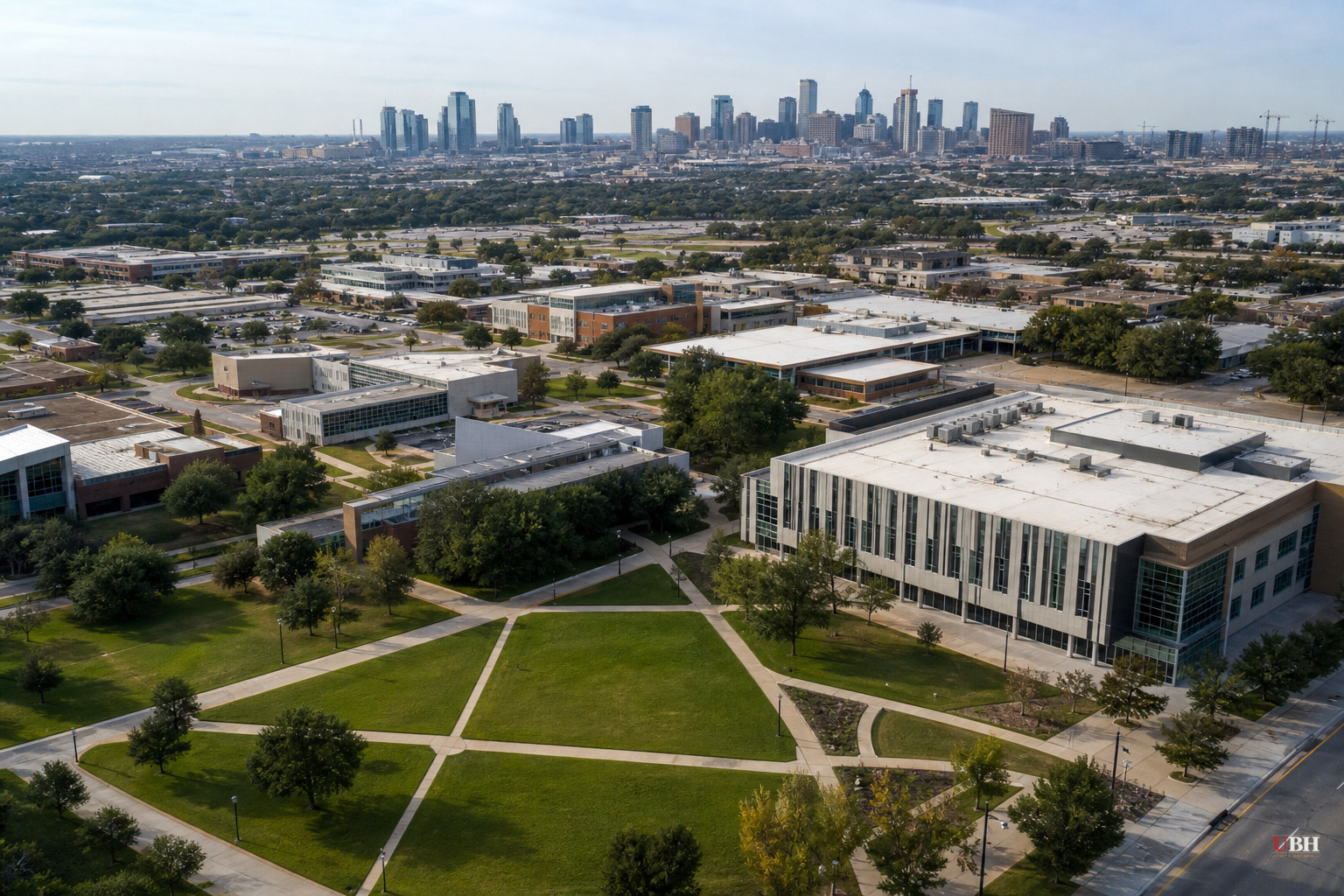
Texas lawmakers rewired how the state pays for community college in 2023. House Bill 8 passed with near-unanimous support and tied state funding to outcomes: certificates earned, degrees completed, transfers to four-year schools, dual-credit participation. Extra bonuses went to colleges that got low-income students and adult learners across the finish line.
The idea was simple. Stop paying schools just for enrolling bodies. Start paying them for producing graduates ready to work.
Three years in, colleges did exactly what the law asked. Completion numbers went up. And now the state doesn't have enough money to pay what its own formula promised.
The Math Didn't Work
The Texas Higher Education Coordinating Board voted Wednesday to trim the incentive weights that trigger bonus payments for high-need students. Andy MacLaurin, the THECB's assistant commissioner of funding and financial aid, told board members the changes are necessary "to ensure the financial sustainability of the CCF program."
Colleges earned more than lawmakers set aside to pay them.
THECB spokesperson Bobbi Kessler said the state is navigating a cap of about $1.2 billion it can distribute to community colleges until the next legislative session, during which lawmakers will consider allocating additional dollars. Kessler emphasized that community colleges are still getting more state money than ever before under the new formula. That's true. It's also true that colleges built budgets around bonus dollars they were told they'd earned and now won't fully get.
Who Gets Hit
THECB estimates show nearly a dozen colleges facing state funding drops of at least 15% in fiscal year 2027 compared to the prior year. Texarkana, Navarro, and McLennan community college systems are projected to be hit the hardest, with drops of at least 20%.
Those aren't the state's biggest, best-resourced systems. They're smaller colleges that serve a lot of the exact students HB8 was designed to reward.
The Legitimate Complaint
Jonathan Feinstein, Texas state director of Education Trust, said the cuts fall on "high-need student groups — students from low-income families, students who maybe were not entirely prepared for college when they completed high school" — who "are the ones who really stand to gain the most" from targeted support. Feinstein said the move raises "concern in terms of this being a precedent so early" in the program's life.
If the state dangles bigger incentive payments for colleges that graduate poor and nontraditional students, then shrinks those bonuses the moment colleges start actually earning them at scale, it undercuts the premise of the reform. Colleges that leaned into recruiting and supporting high-need students did what the rules as written asked of them.
The Other Side of the Ledger
But this isn't a story about bad faith. State lawmakers didn't cut the program, defund it, or abandon outcomes-based funding. THECB is navigating a roughly $1.2 billion cap until lawmakers next convene, according to Kessler. The board can't legally hand out money the legislature hasn't approved. Somebody has to absorb the gap between what colleges earned under the formula and what the budget can cover, and THECB chose to reduce funding proportionately across all colleges to stay within budget rather than let a handful blow through the cap at everyone else's expense.
This is a budgeting reality. The reform may also be working better than expected, which is a strange problem to have and a better one than the alternative.
What Happens Next
THECB officials may seek a supplementary legislative appropriation to cover the shortfall, according to GazetAI. That would require Texas lawmakers to act when they next convene, adding dollars to close the gap between what the formula promised and what the state initially set aside.
Until then, colleges like Texarkana, Navarro, and McLennan are stuck rebuilding fiscal year 2027 budgets around funding drops of 20% or more, driven not by declining performance but by exceeding it. The open question is whether the legislature treats that as a funding formula that needs a bigger appropriation, or a reason to rethink how aggressively it rewards completions in the first place.
Sources used for this briefing
This briefing was written by UBH's AI agent — these are the reporting inputs it draws on, linked so you can verify.


